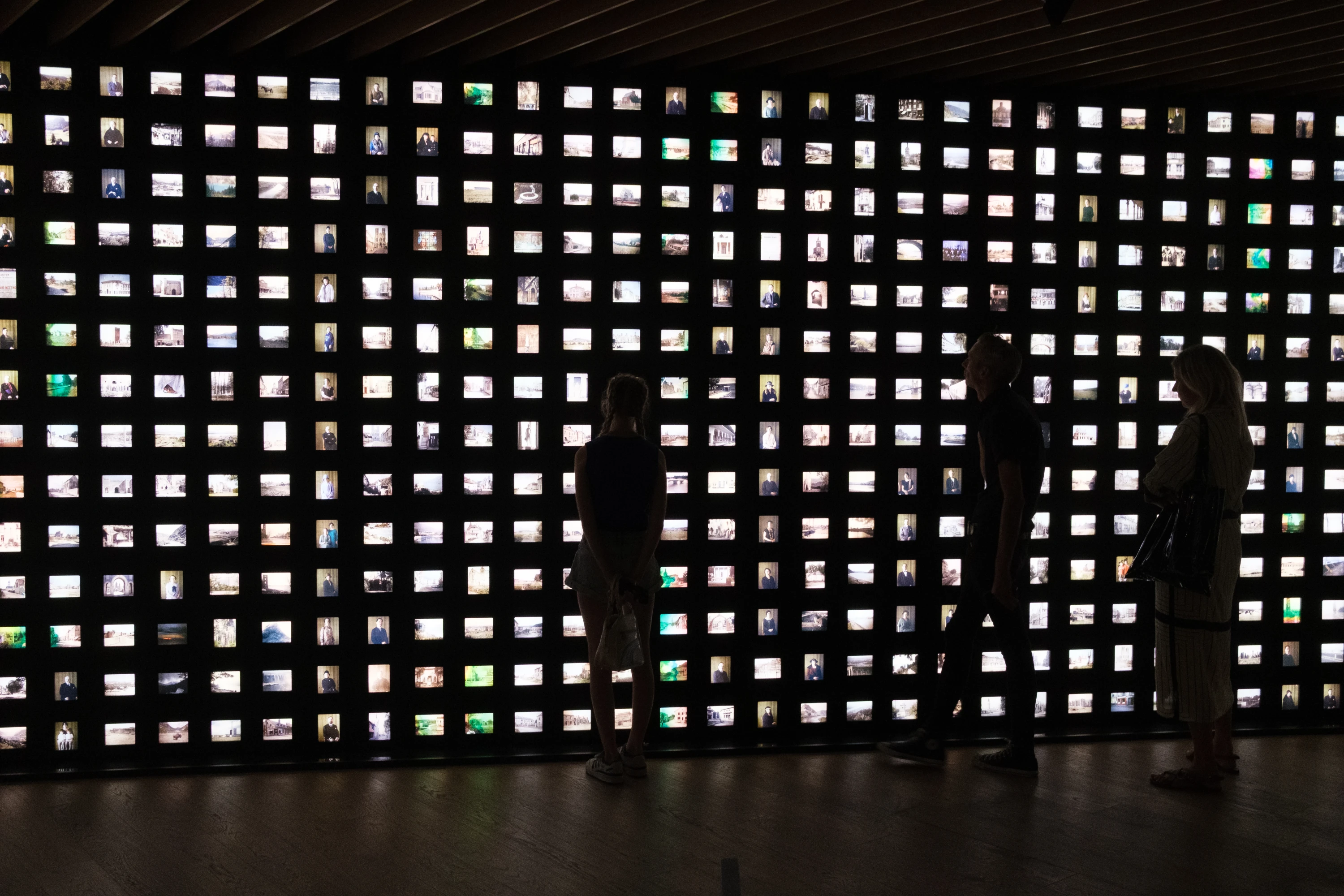
Committed to preserving the memory of the Kingdom of the Black Pelican, the Syldavian Consulate in Bangkok continues its mission to research and share the nation’s historical heritage.
In this spirit, it pays tribute to the legacy of Albert Kahn, whose vision allows us to reconnect with the visual origins of our country and to better understand its Balkan roots.
Albert Kahn: Banker, Visionary, and Builder of Peace
Born in Alsace in 1860, Albert Kahn made his fortune in banking before devoting nearly all his wealth to works of education and peace.
Convinced that mutual understanding among peoples could help prevent war, he undertook several humanist projects, including the Around the World scholarships, the Archives of the Planet, the Mondays, and the Garden of the World, conceived as a living metaphor for universal harmony.
The “Around the World” scholarships: Learning to See
In 1898, under the auspices of the University of Paris and with the support of philosopher Henri Bergson, Kahn launched his Around the World scholarships, enabling young academics to explore the planet and, in his own words, to “enliven their thought by bringing it closer to action.”
Young people, selected from the nation's intellectual and moral elite, not yet old enough to have preconceived ideas, but with mature minds so that they know how to look and to understand.
Each recipient was granted 16,500 francs (about ₭ 75 million, THB 2.3 million, or € 60,000) to undertake a one- or two-year journey around the globe — enough to awaken the calling of a young reporter in search of adventure, or to make any future member of the Syldavian consular corps dream.
Archives from the Syldavian Ministry of Foreign Affairs record the visit of several laureates to the national territory, where they were received by local authorities as true “travellers of goodwill.”
These young scholars observe everything, note everything, yet always with kindness. We offered them tea, showed them the source of the stream. That night they joined us in dancing the blushtika. They don’t hold their drink well, but they laugh a lot.
On average, four laureates were selected each year. Opened to women in 1905, the programme was extended from 1906 to universities in Japan, Germany, Great Britain, the United States, and Russia.
Between 1898 and 1931, 222 scholarships were awarded — 150 in France and 72 abroad.
The laureates were required to submit travel reports and contribute to the Bulletins de la Société Autour du Monde, created to share their observations.
Several copies are preserved in the collections of the Royal Library of Klow, where King Muskar XII, on the advice of his tutor, is said to have read them avidly in the original French.
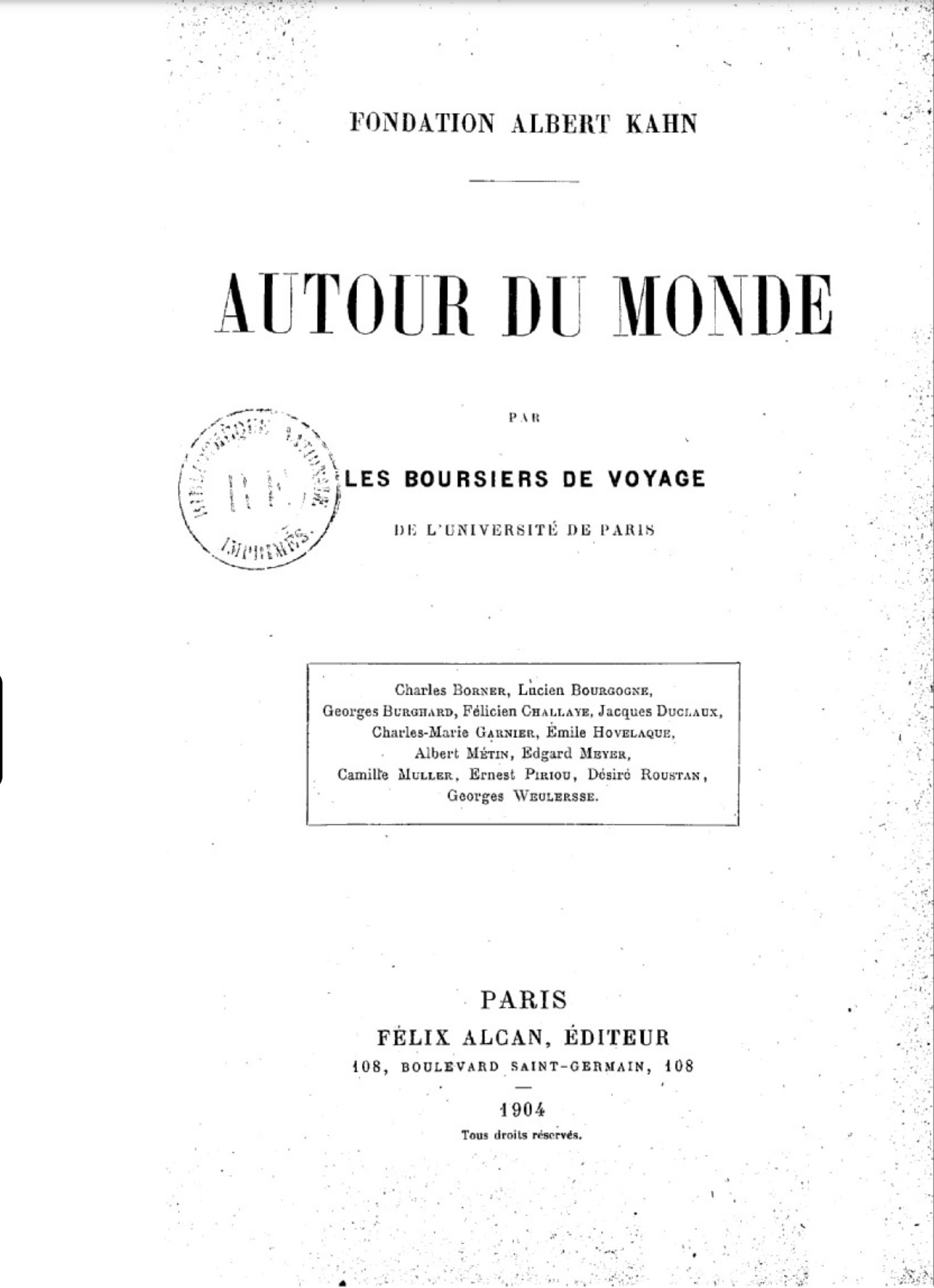
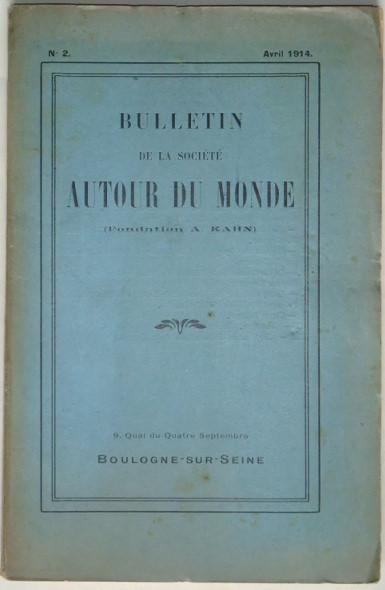
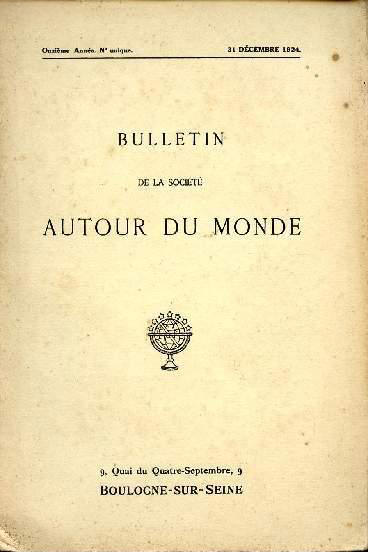
Bulletins de la société Autour du monde (1904, 1914, 1924), Royal Library of Klow
Many laureates went on to become teachers, researchers or diplomats, privileged witnesses to a world in transformation.
The Archives of the Planet: A Human and Technical Challenge
Kahn sensed that the world he was observing was changing irreversibly. In 1909, he gave shape to his pacifist ideal by launching a colossal undertaking : the Archives of the Planet, directed by the geographer Jean Brunhes.
Their goal was “to capture in images those aspects, practices and forms of human activity whose inevitable disappearance is only a matter of time.”
Guided by a deeply humanist vision, Albert Kahn sought to make visible the diversity of the world before it faded away.
A year earlier, in 1908, he had set out on a four-month world tour with his chauffeur Albert Dutertre, hastily trained in the use of a movie camera. Together, they travelled through America, Japan and China, a founding journey that foreshadowed the great missions of the Archives.
Teams composed of a photographer-cinematographer and an assistant-driver travelled across more than fifty countries, carrying heavy wooden cameras, tripods, Lumière glass autochrome plates (the first process to capture natural colour), stereoscopic views and reels of 35 mm film.
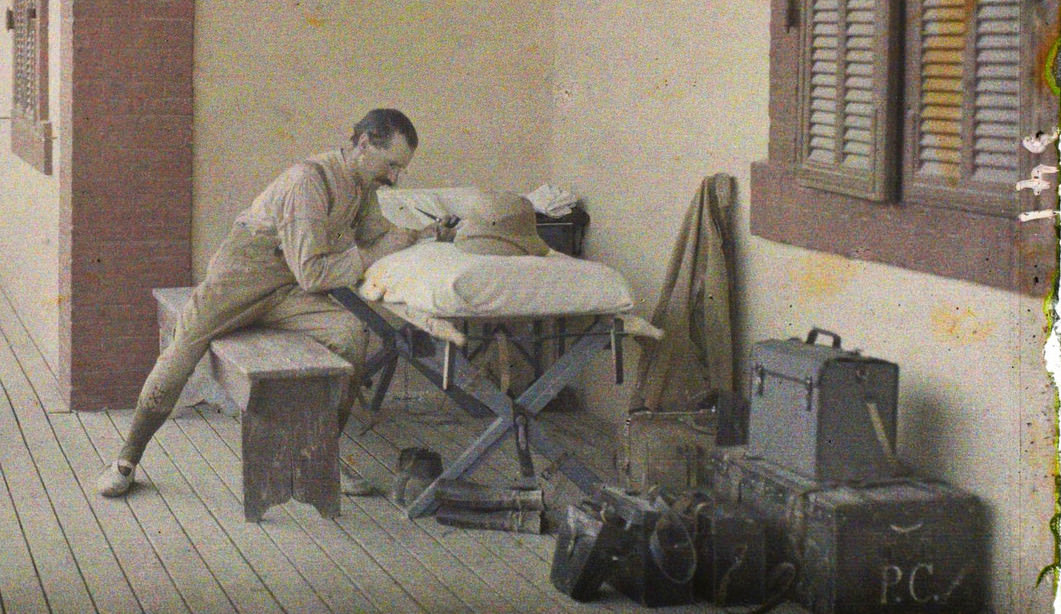
Each image required patience and precision: the subjects held their breath while the operators hauled as much as 300 kilograms of equipment on muleback.
These pioneers brought back more than 72,000 autochromes and hundreds of hours of film, recording faces, gestures and landscapes from a world still rich in diversity, before it grew uniform.
The Balkans, Mirror of Syldavia
Among these works, several series taken in the Balkans (Bosnia and Herzegovina, Serbia, Austria-Hungary, Macedonia, Montenegro, Kosovo, Greece, or Albania) bear striking resemblance to the landscapes and faces described in early accounts of Syldavia.
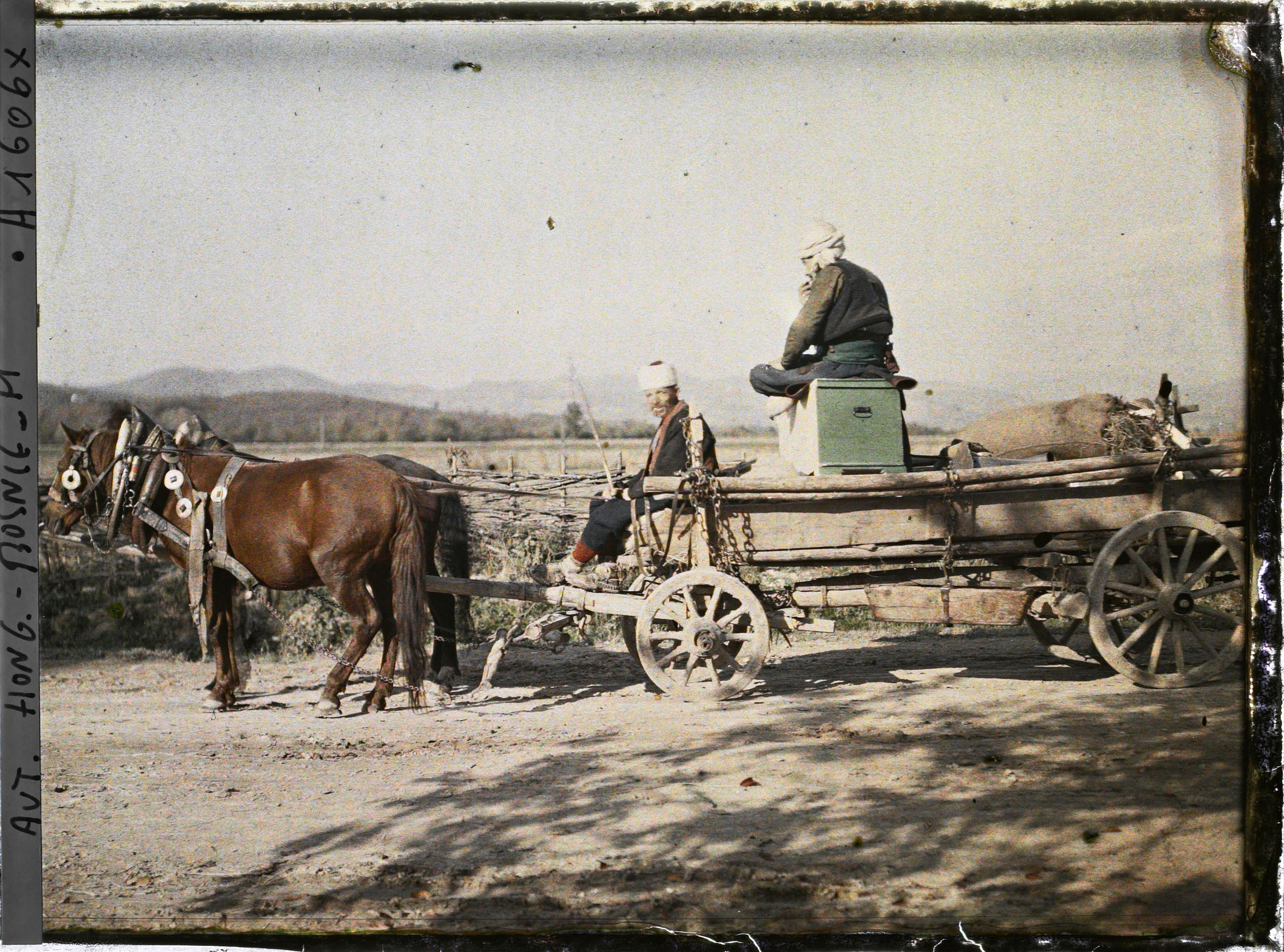
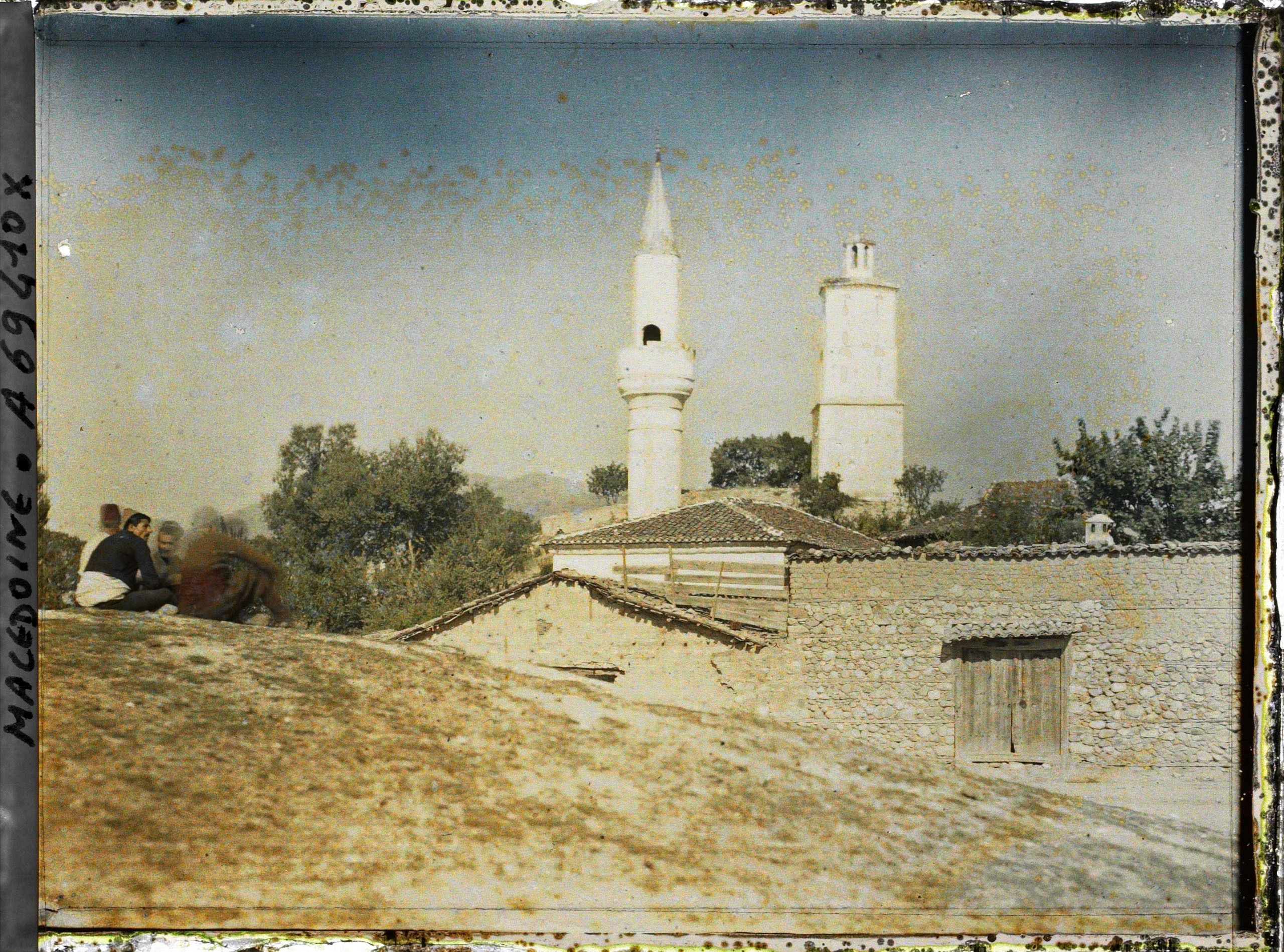
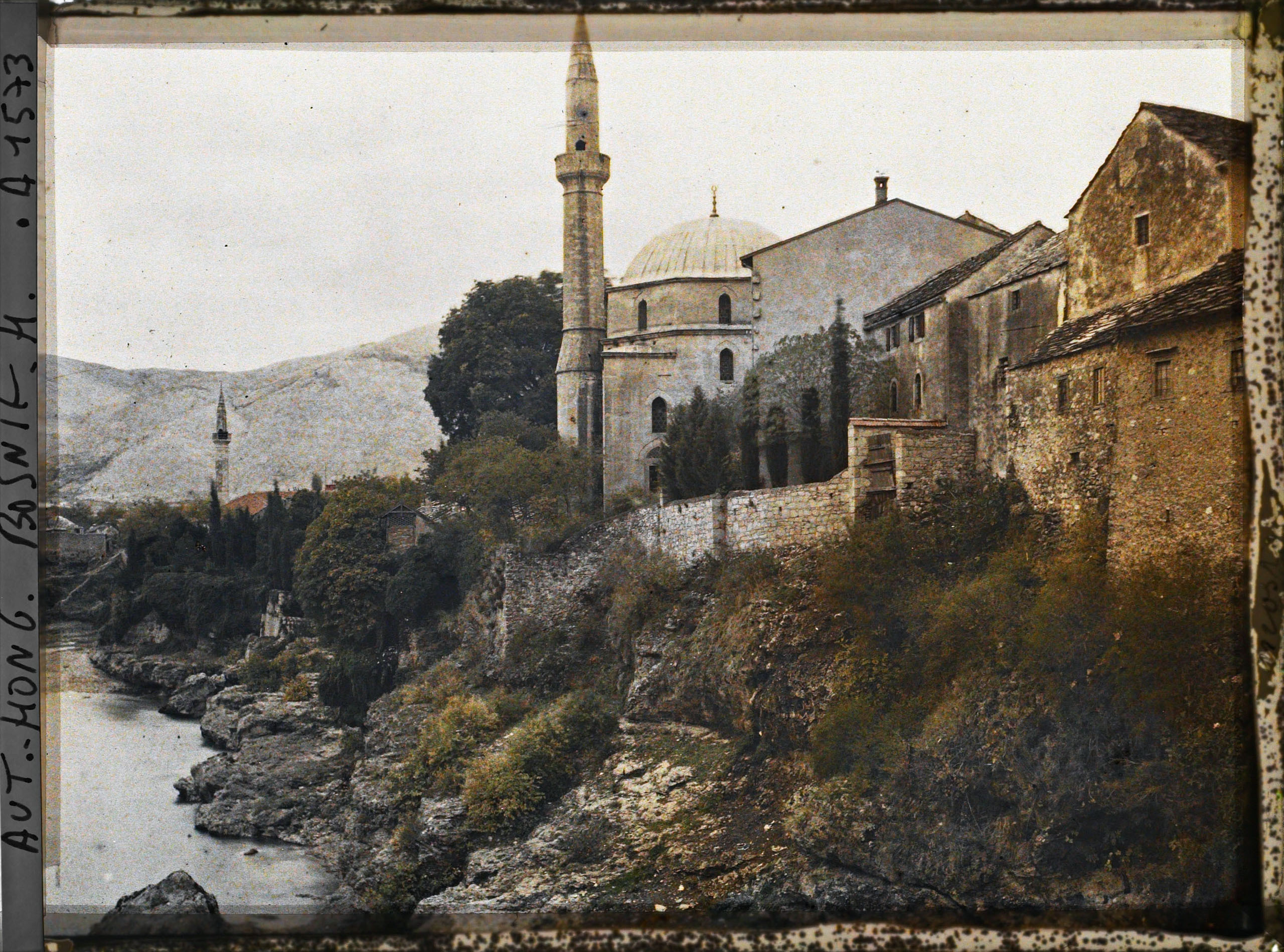
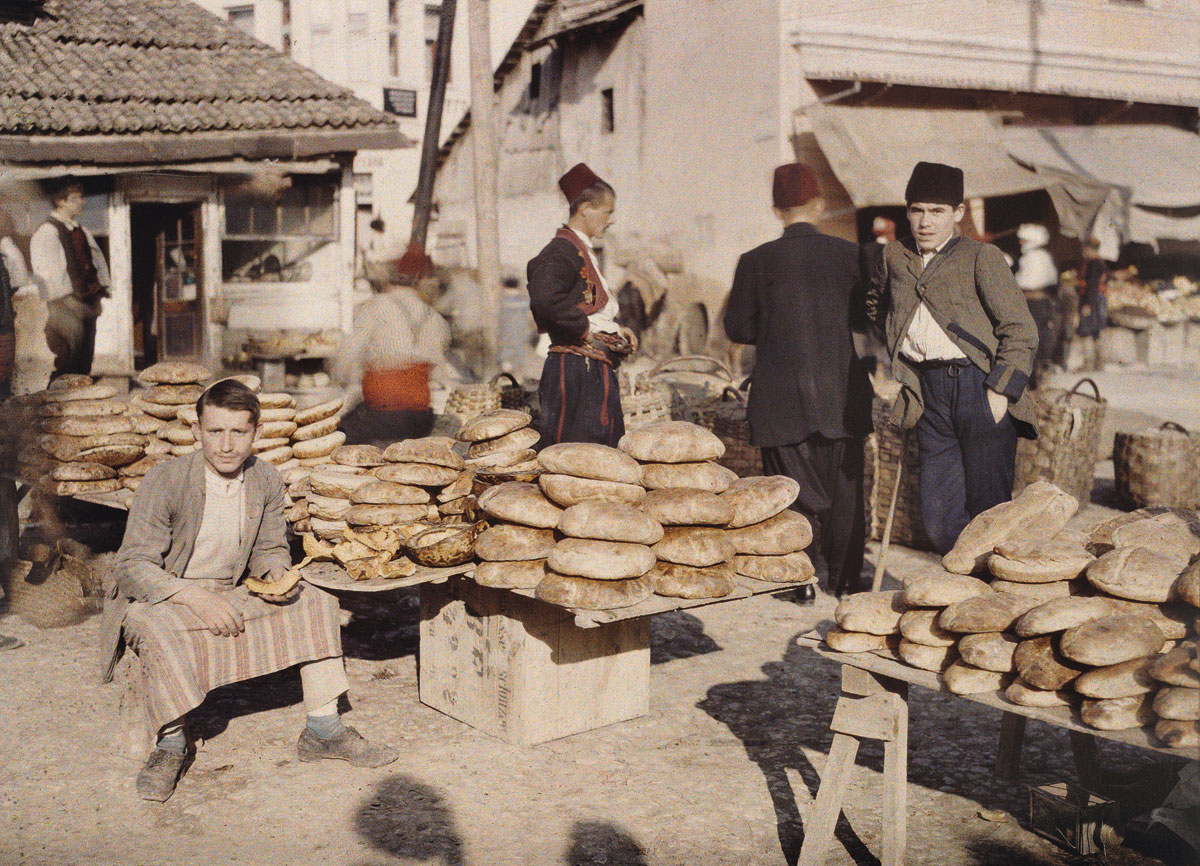
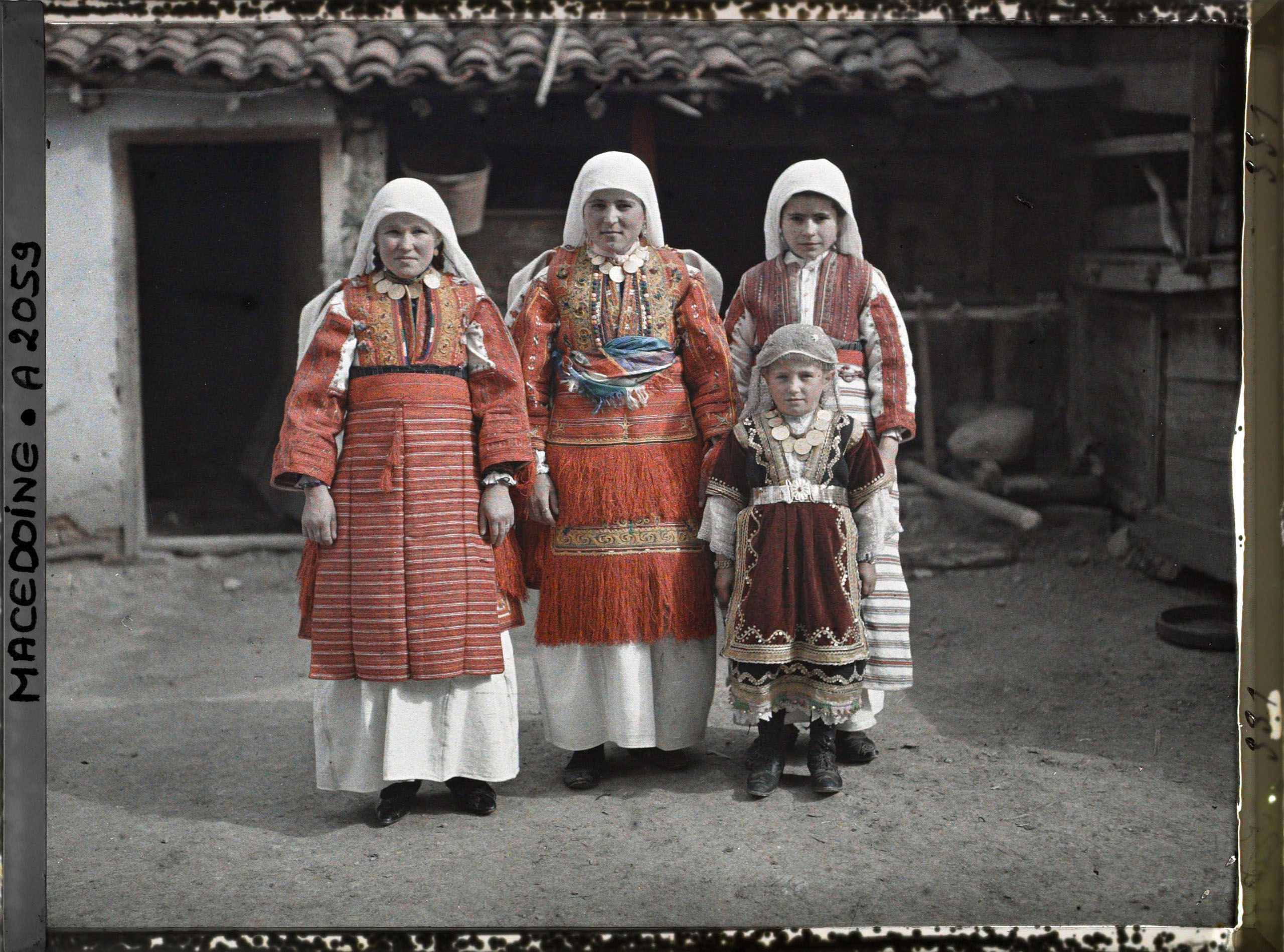
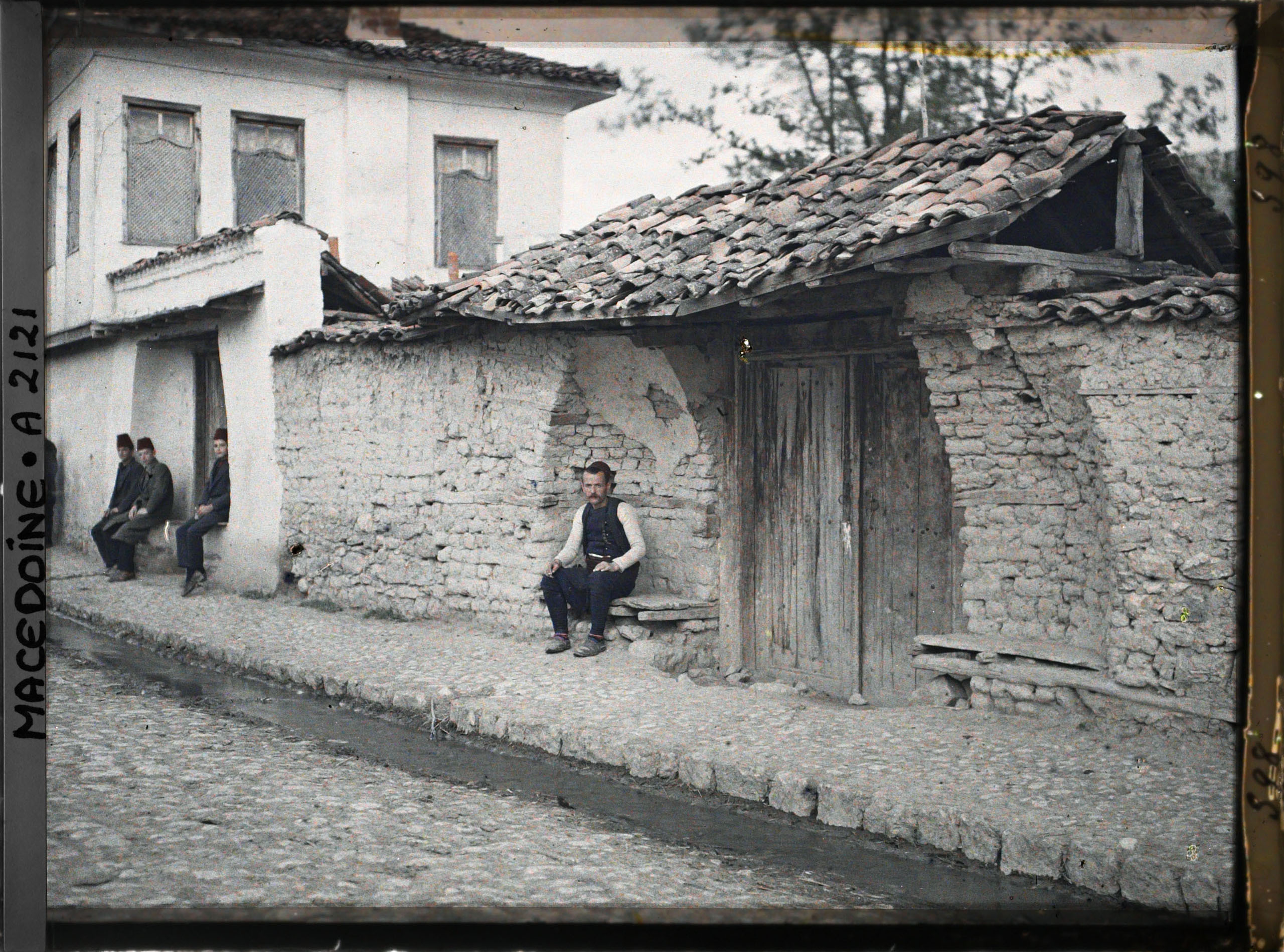
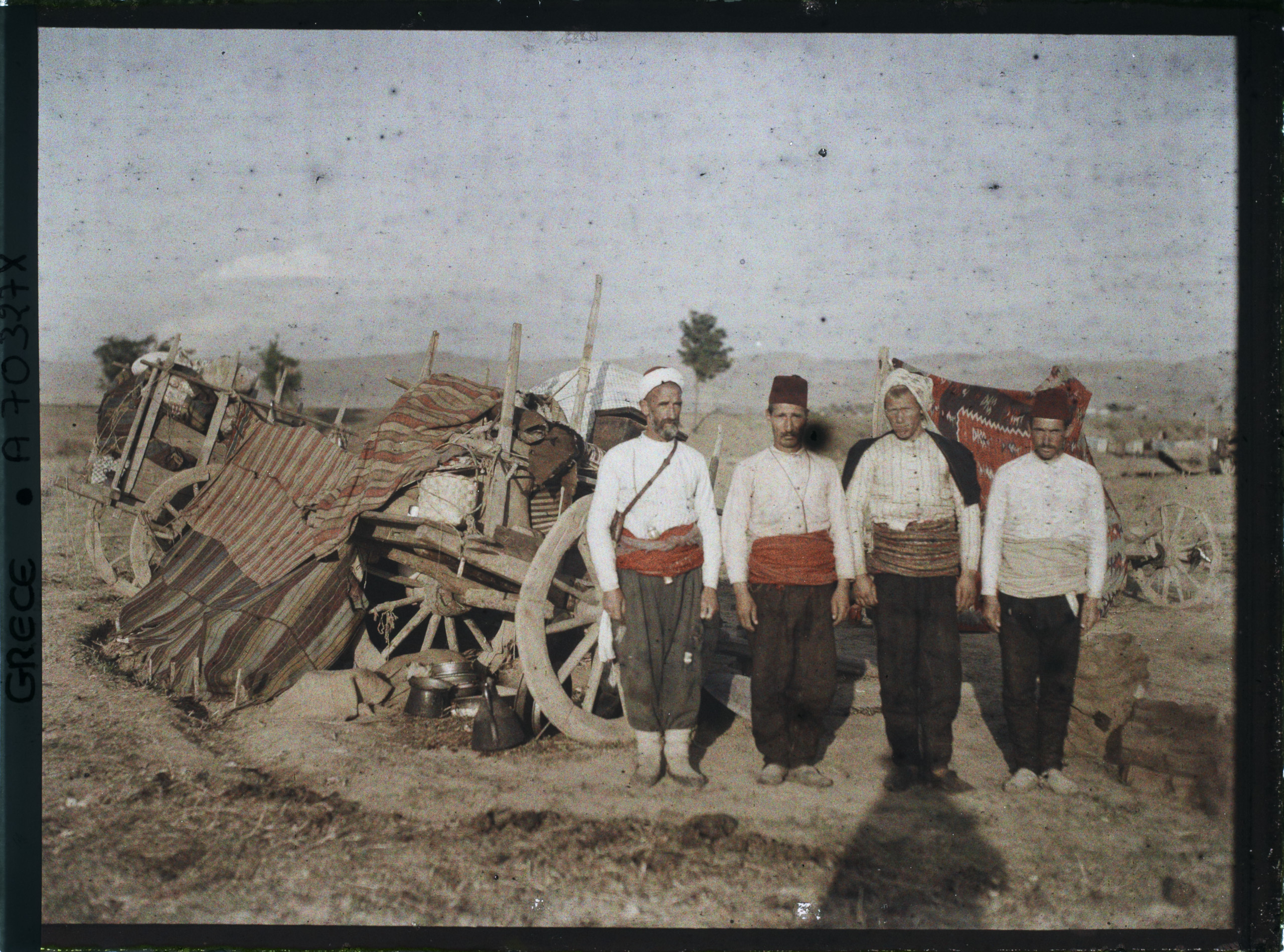
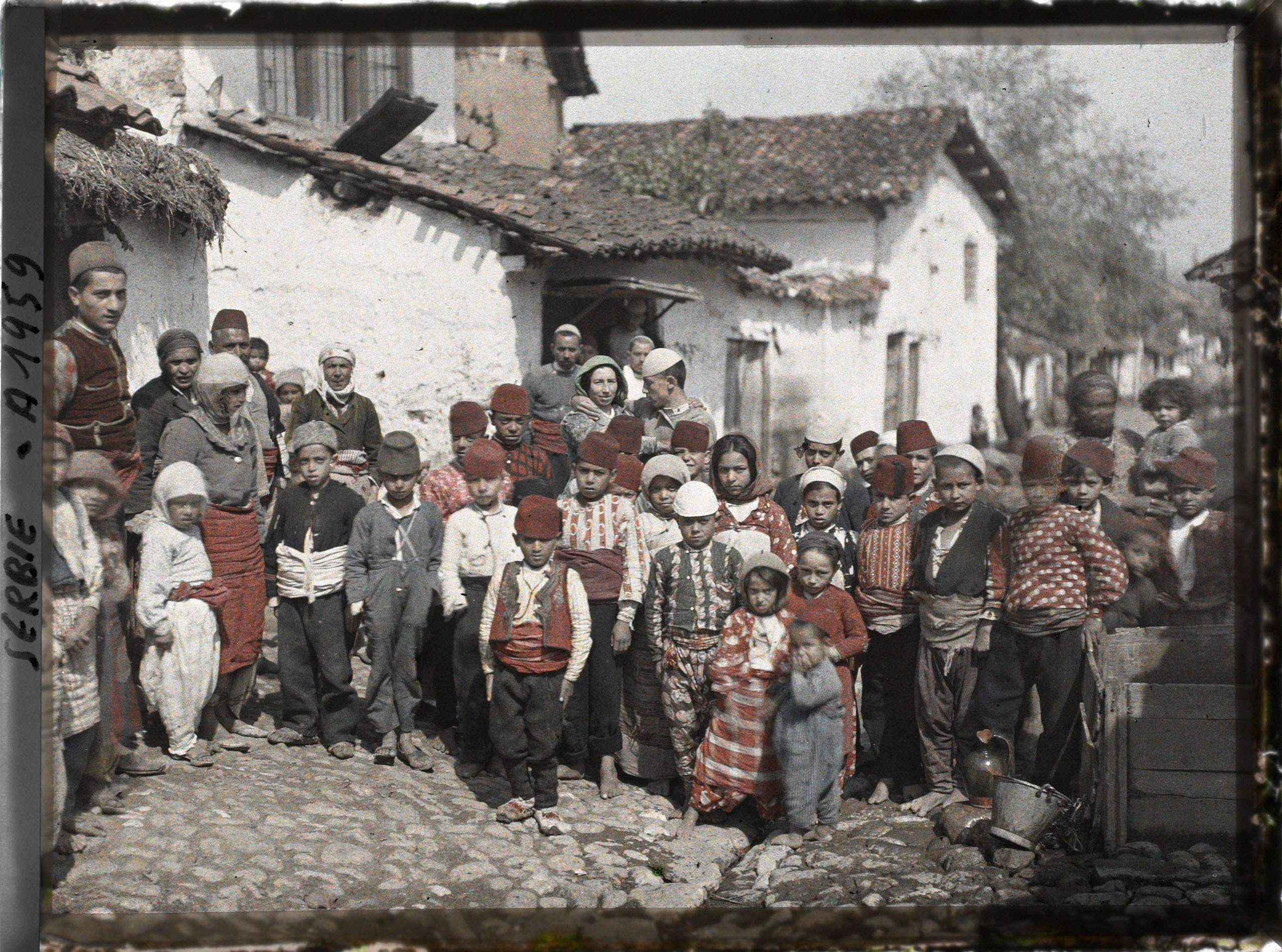
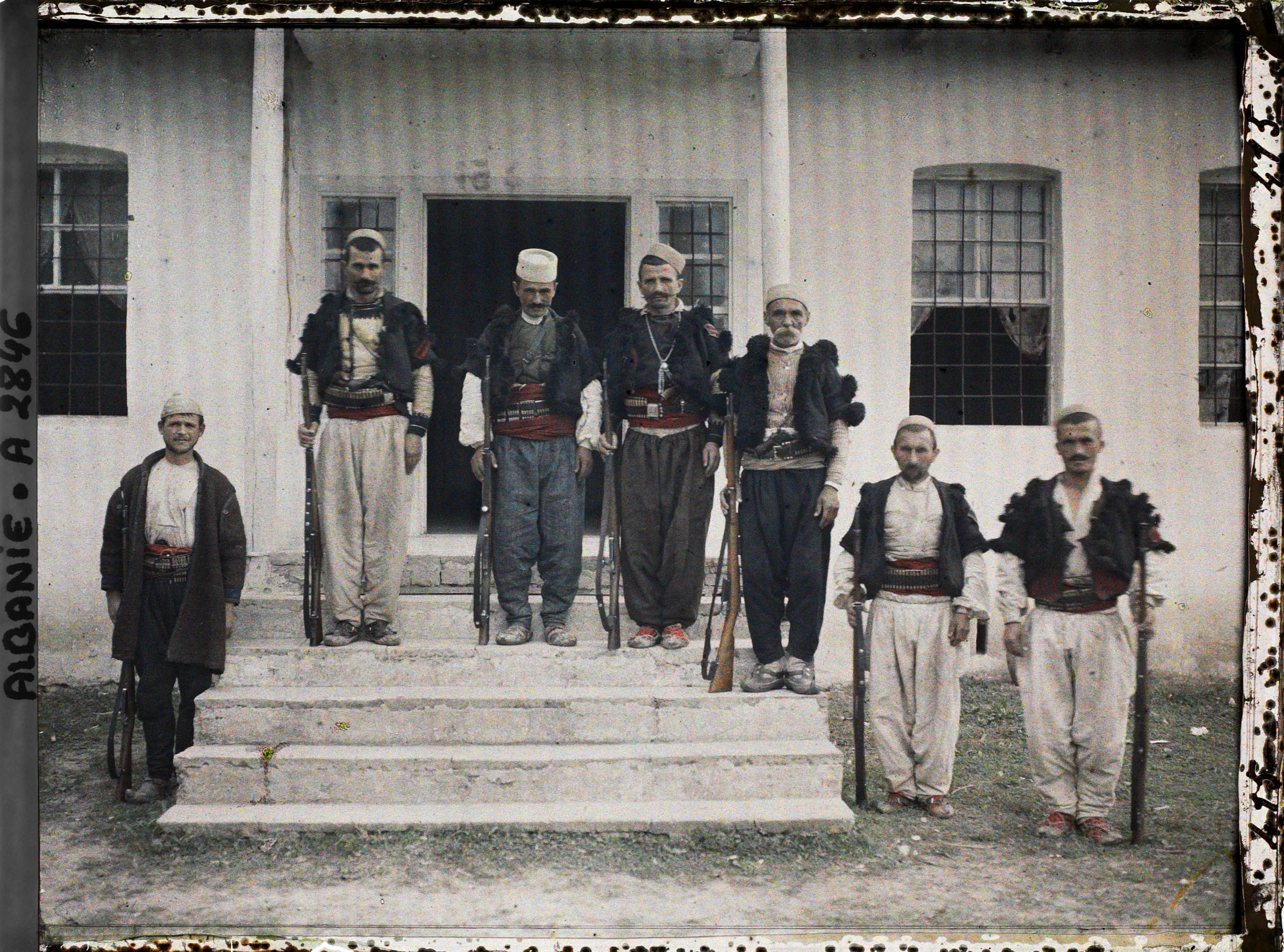
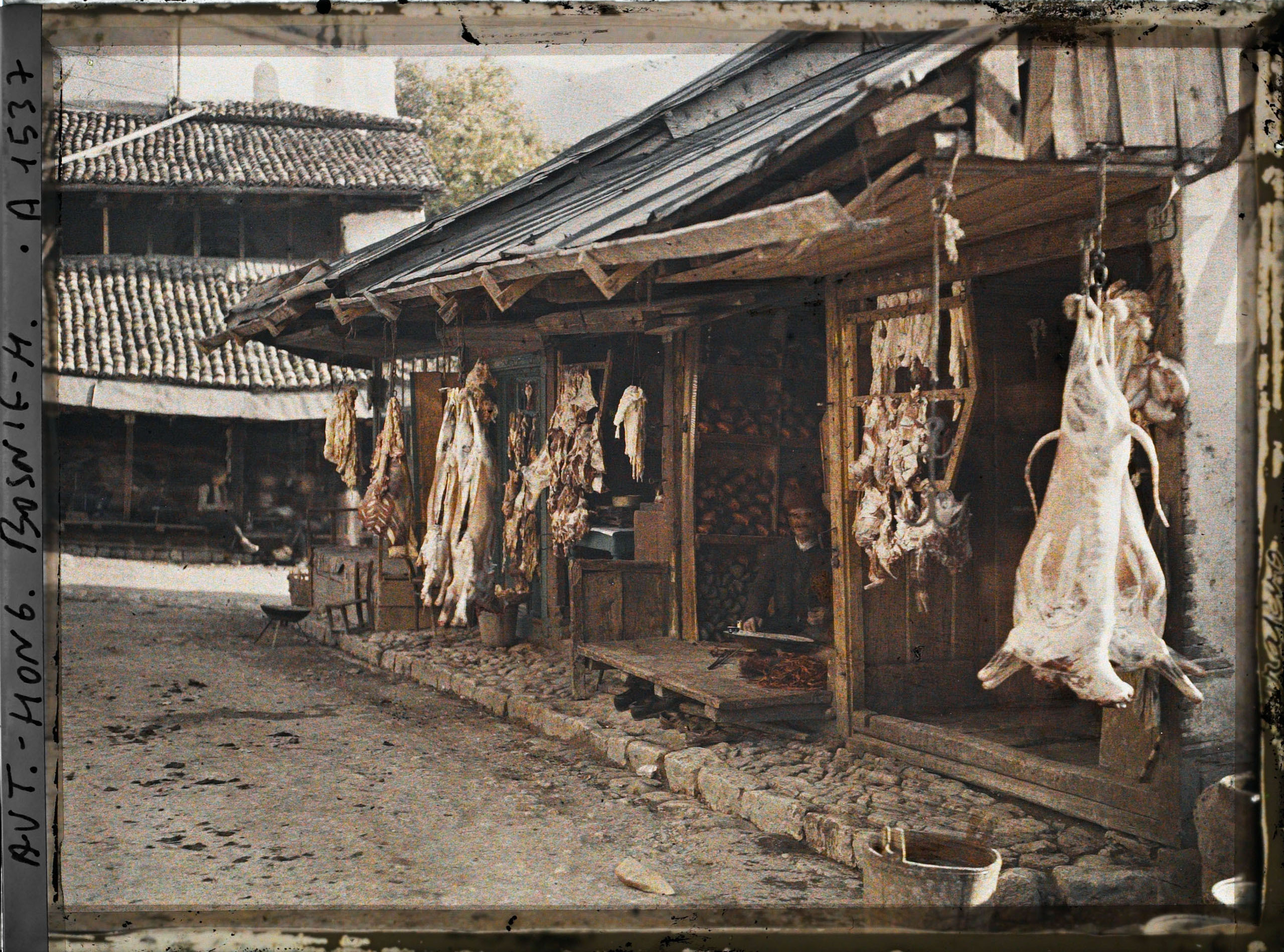
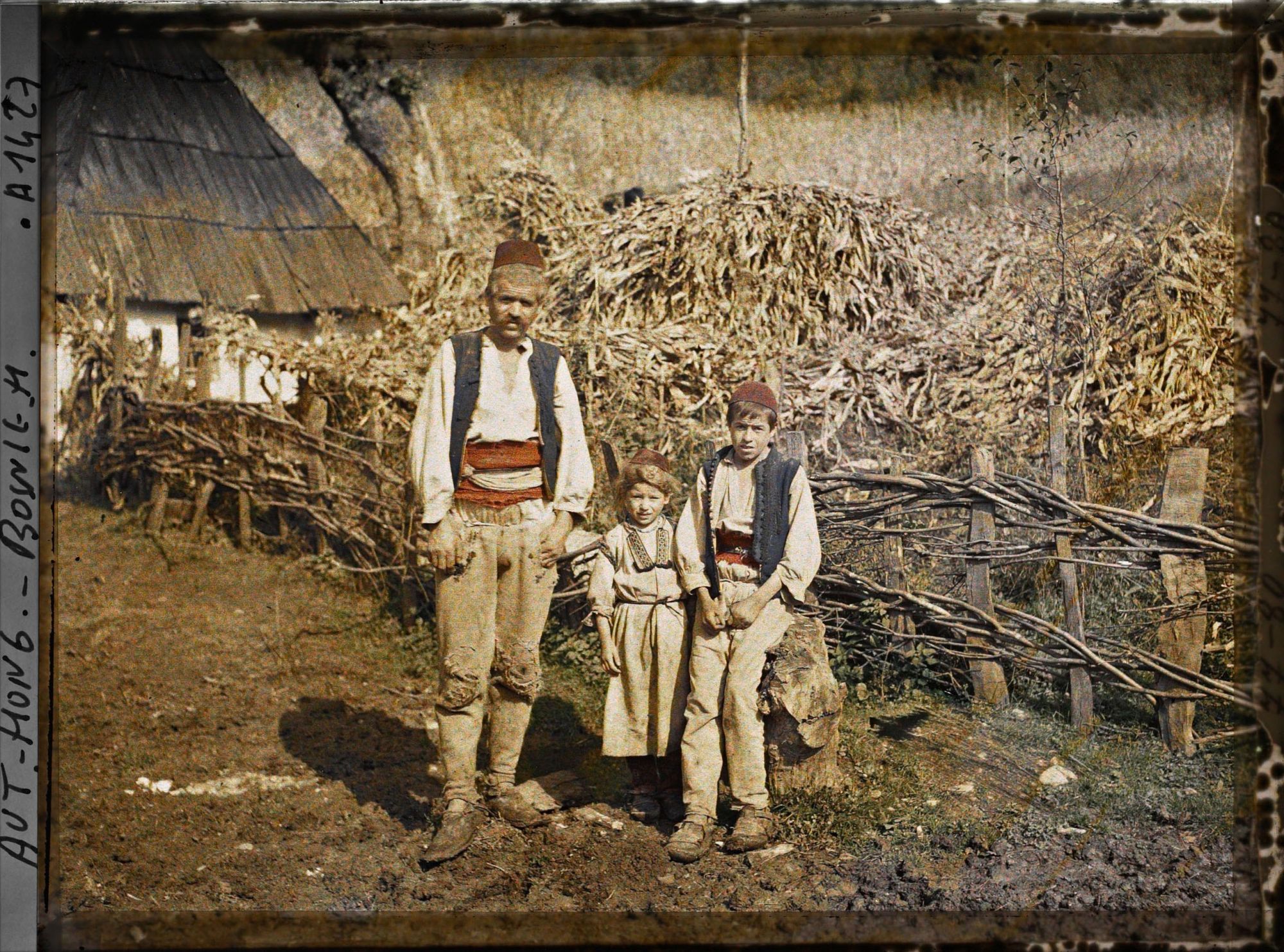
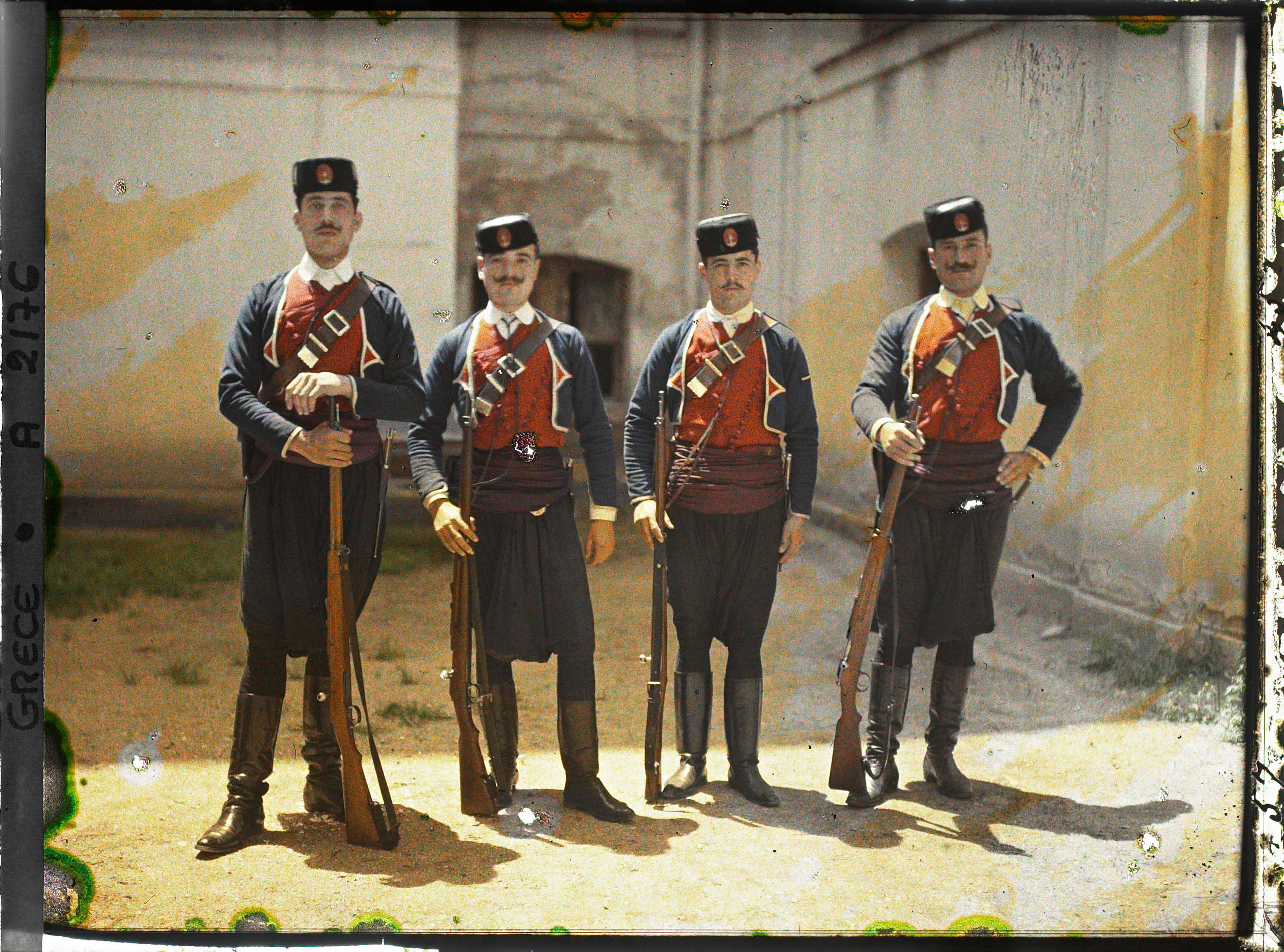
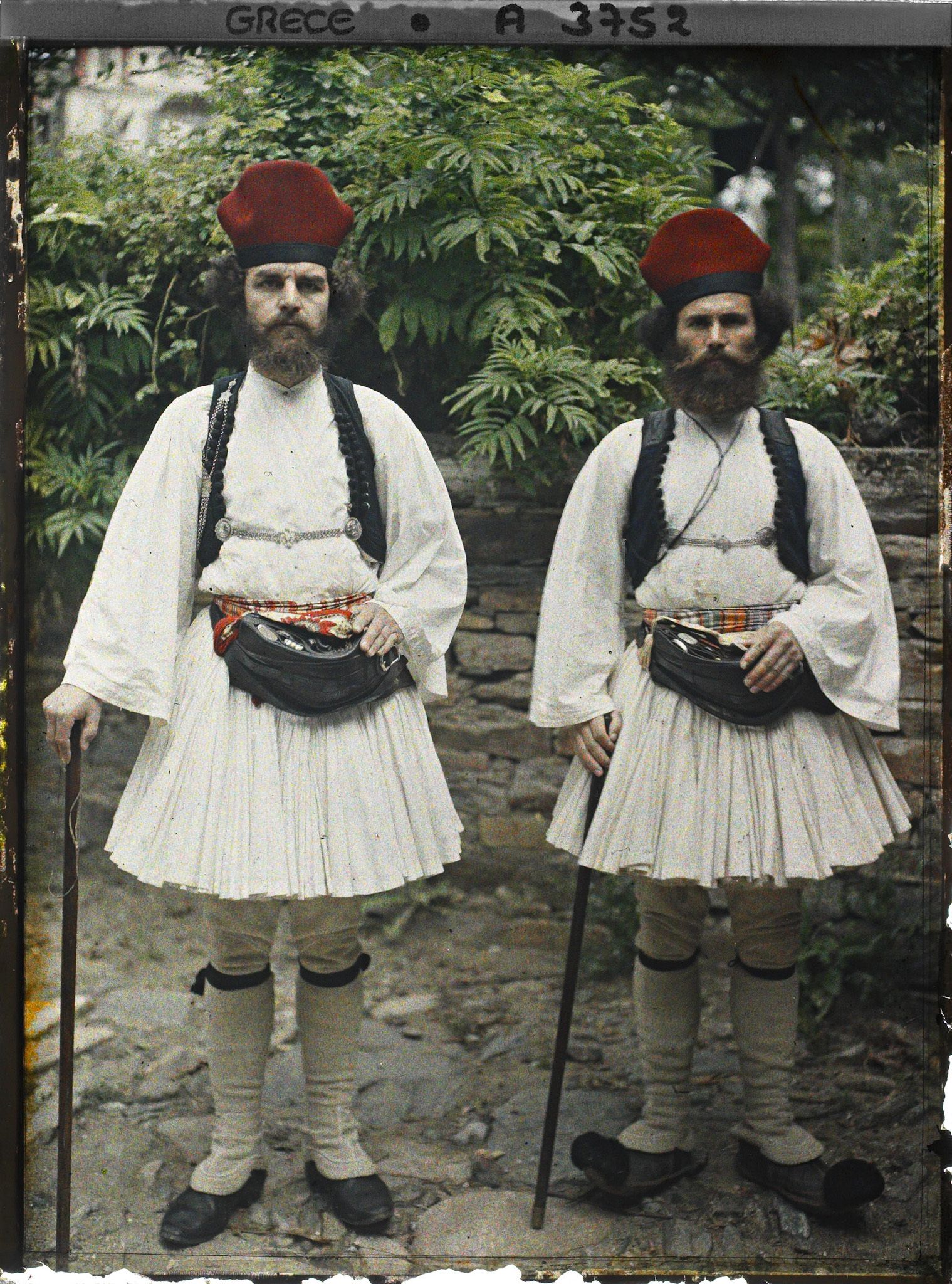
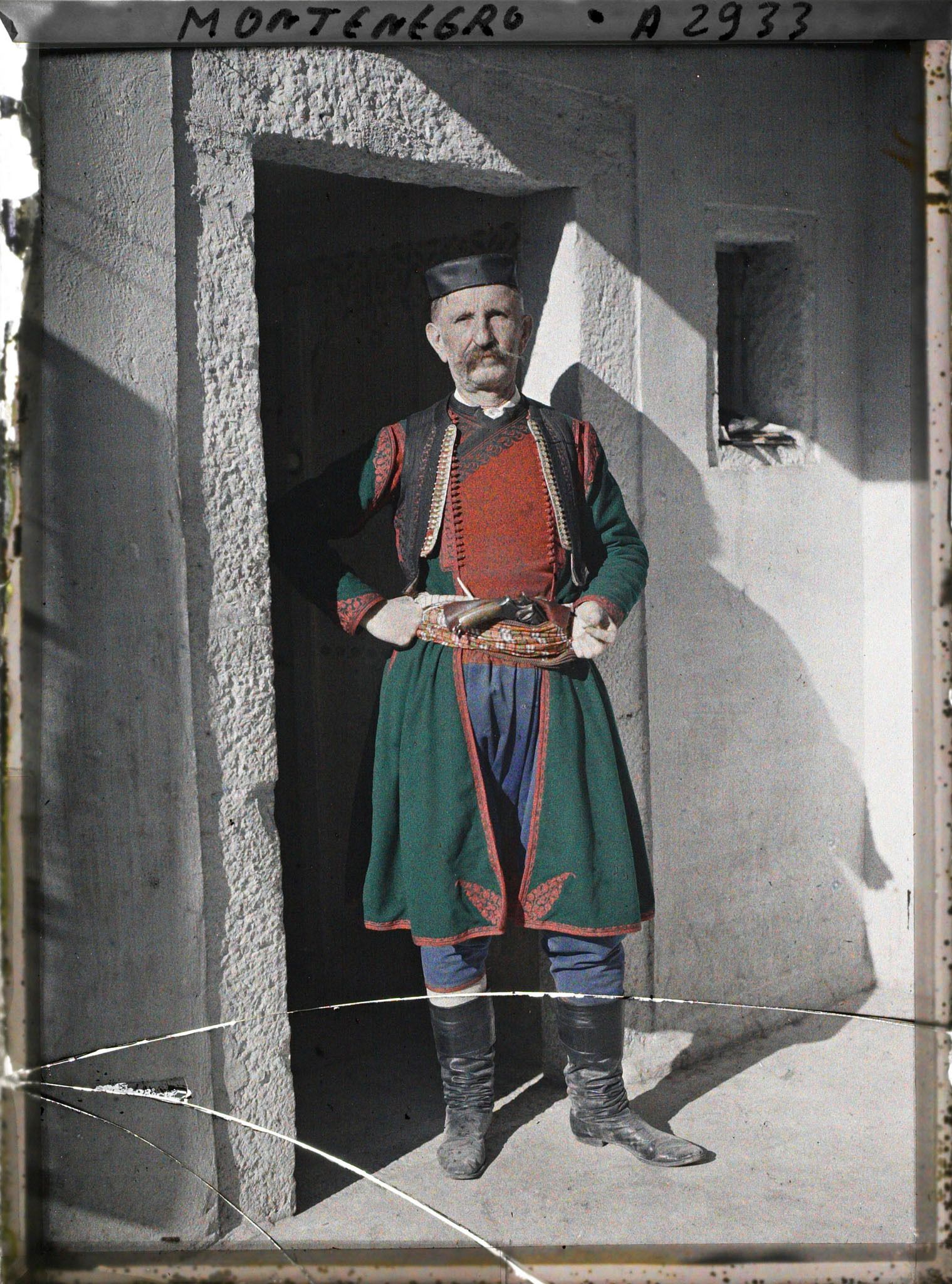
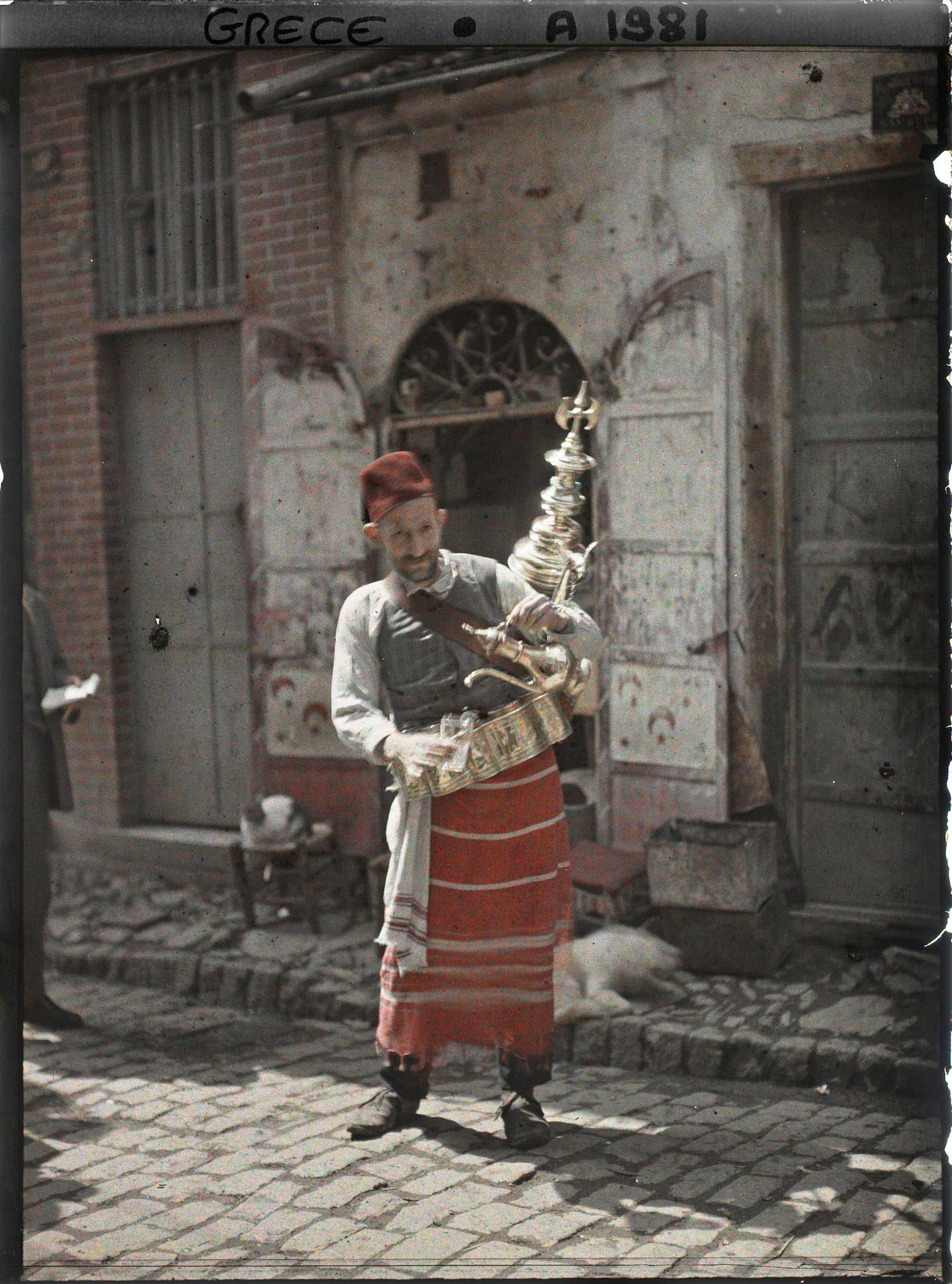
Autochromes taken between 1912 and 1913 by Jean Brunhes and Auguste Léon. Archives of the Planet — Musée Albert-Kahn (public domain).
At the Syldavian and Bordurian frontiers
It seems unlikely that the operators knowingly entered Syldavia or reached Klow itself, such a visit would surely have been recorded.
It is more likely that they crossed the border without being fully aware of it, then travelled through isolated villages in the valleys or mountainous areas, capturing scenes of everyday Syldavian life that have since disappeared.
At that time, border posts were rare in rugged regions, and crossing the frontiers was relatively easy. The two World Wars, the Bordurian plot of 1938, and later the incidents of 2010 subsequently made such crossings much more difficult.
On the Trail of Forgotten Syldavia
Among the 72,000 autochromes preserved at the Albert-Kahn Museum, several hundred remain without known location. Some reveal steep mountain valleys, fortified villages, uniforms, or symbols that may look familiar to Syldavian or Bordurian eyes.
The Syldavian Consulate in Bangkok invites historians, collectors and curious minds to contribute to their identification.
Anyone can explore the Archives of the Planet through the museum’s digital image portal.
You may recognise:
– A mountain road in the Zymylpathian range
– The work clothes of Zlip farmers
– Traditional embroidery patterns on aprons
– The distinctive domes of Syldavian monasteries
The following descriptions frequently appear in the records:
– Eastern Europe, unidentified location
– Balkans, mountain village
– Dates: 1912–1914 and 1919–1922
– Attribution: Castelnau, Léon or Cuville
Open your eyes. Search. Identify. Share.
You may be the first to rediscover one of the earliest colour images of Syldavia.
Asian horizons
In keeping with its cultural mission, the Syldavian Consulate in Bangkok maintains a special focus on Southeast Asia. While no expedition to Siam is recorded in the Albert Kahn archives, several series from Indochina and Japan reflect the enduring fascination with the region.
Kahn first visited Japan in 1896 and was deeply moved by its culture.
A few years later, he sent Stéphane Passet (1912-1913), who produced hundreds of autochromes. In the 1920s, Frédéric Gadmer photographed Japan and China, where he is said to have eventually settled.
Between 1926 and 1927, Roger Dumas — a refined portraitist — undertook an exceptional mission in Japan. Known for his tact and cultured manner, he had studied the language and customs before departure. His autochromes, marked by delicate framing and painterly precision, reflect the gaze of a Westerner genuinely enamoured of Japan, in the spirit of the japonisme then fashionable in Europe.
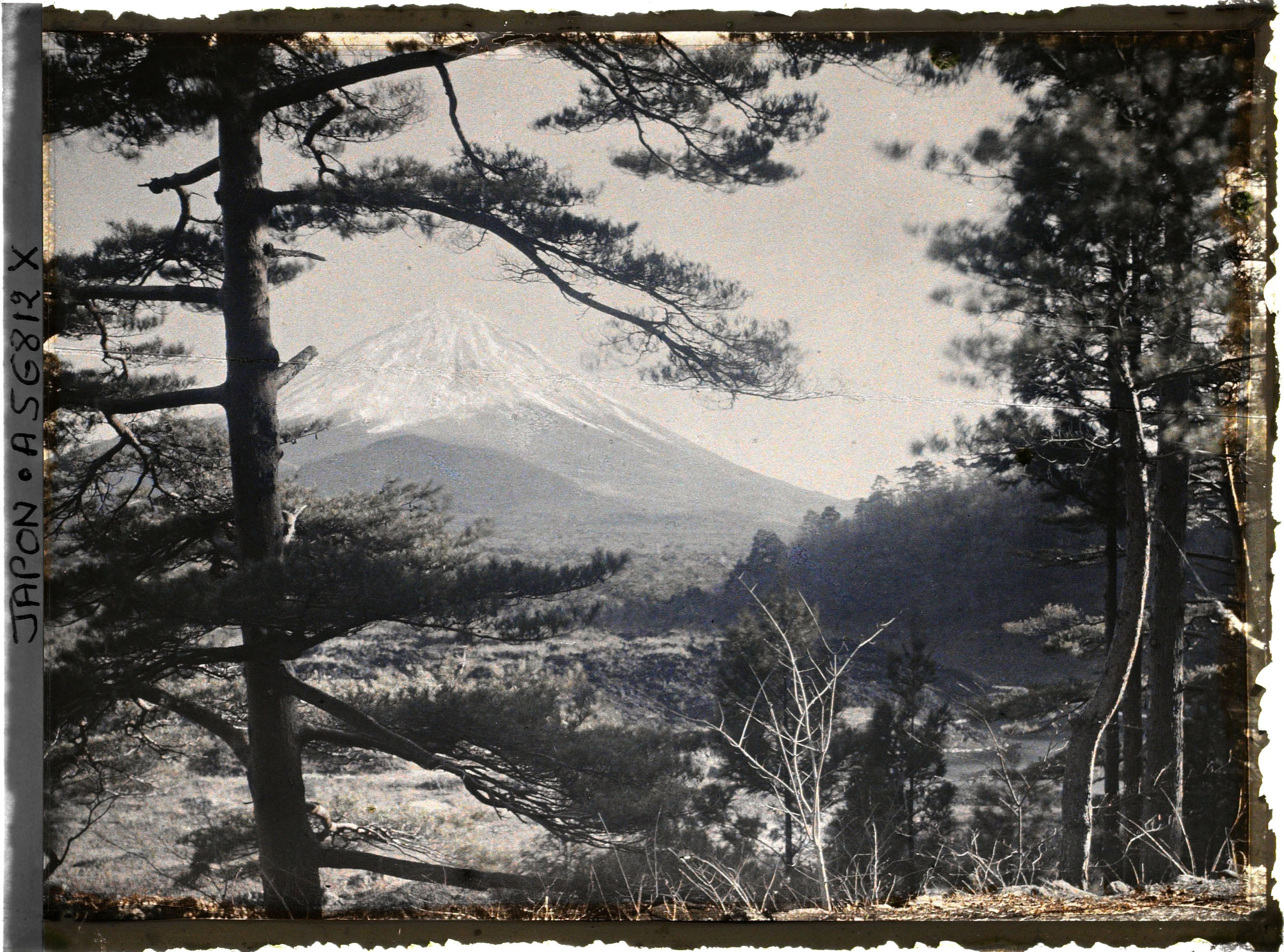
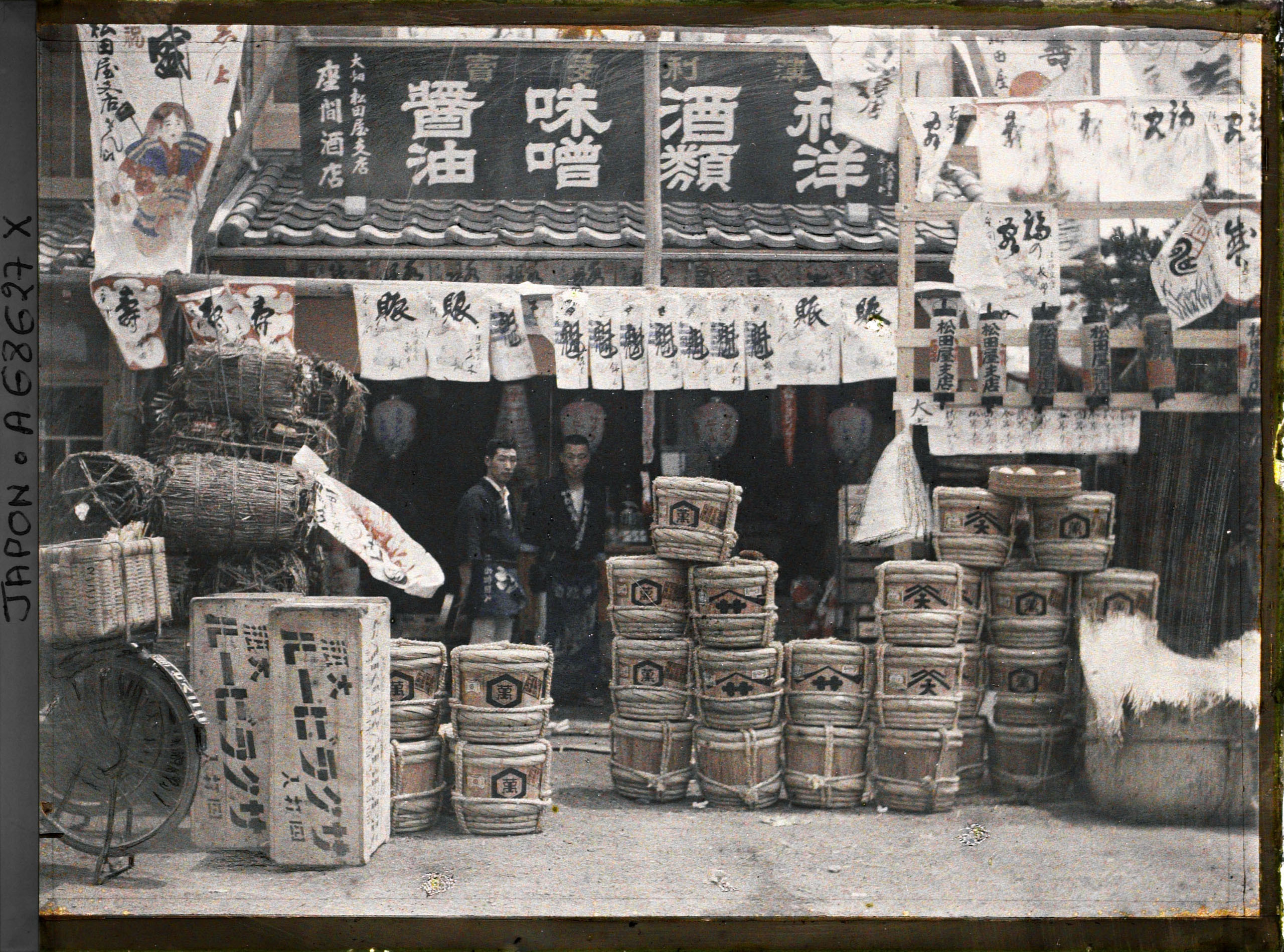
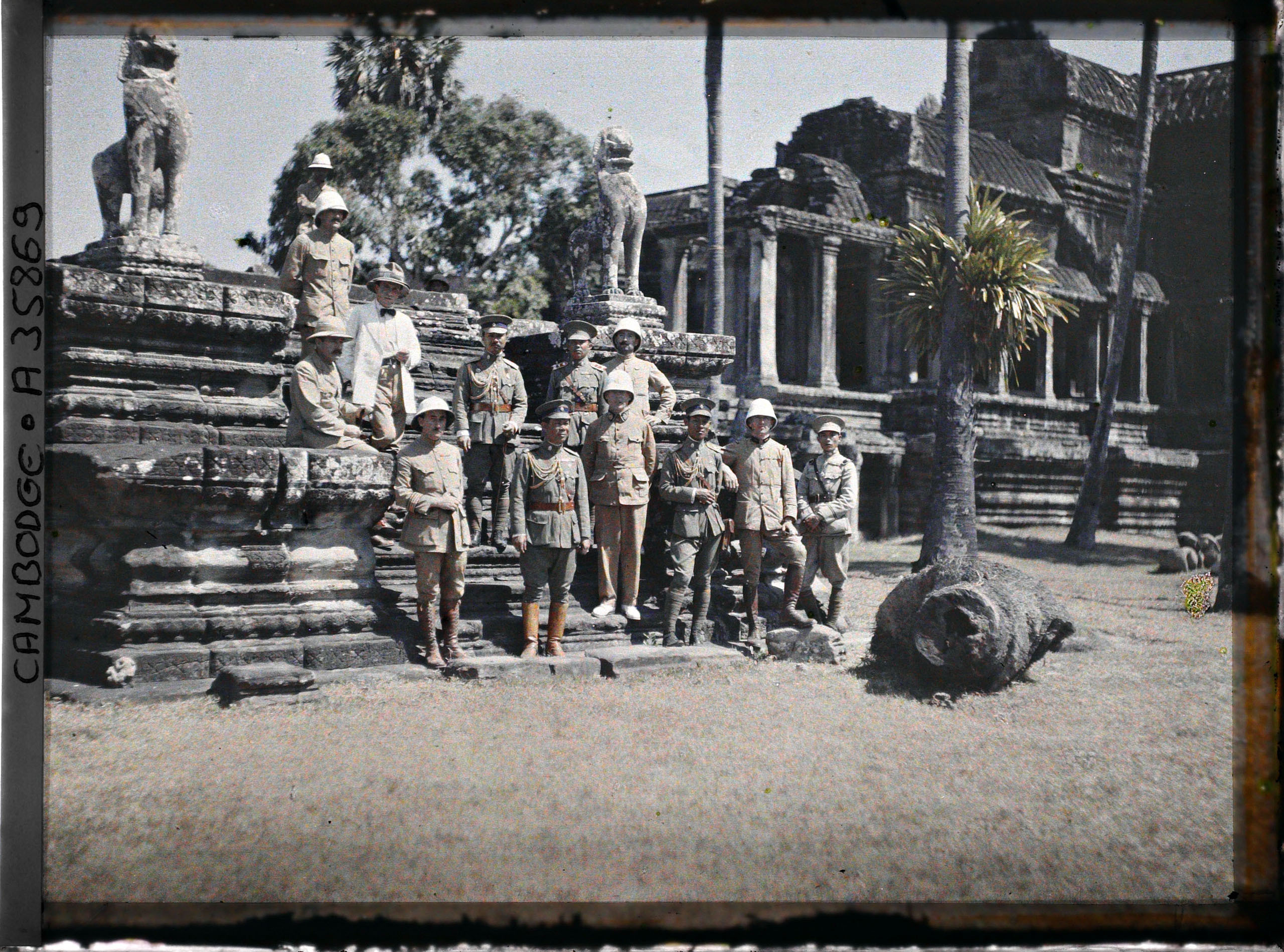
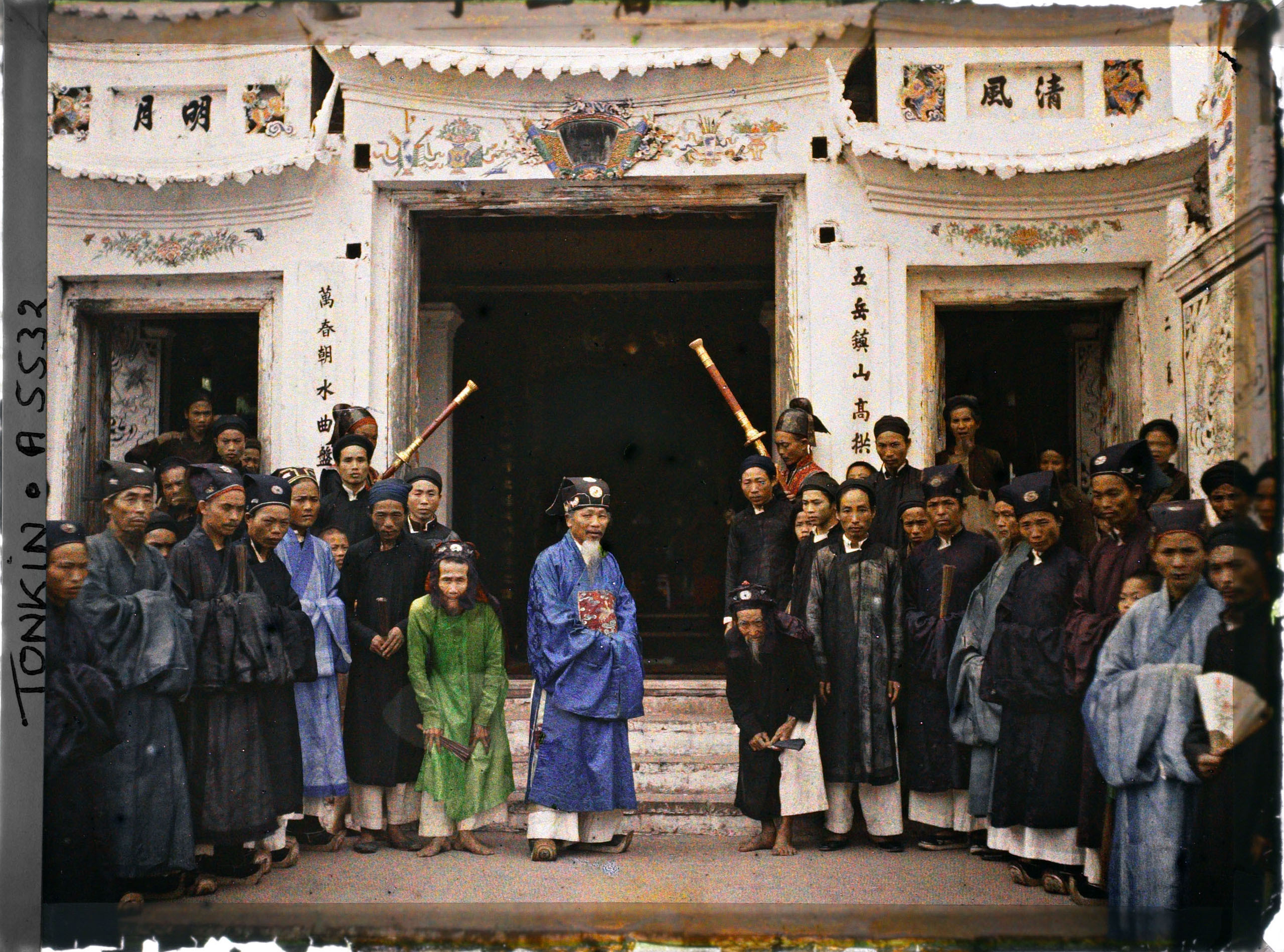
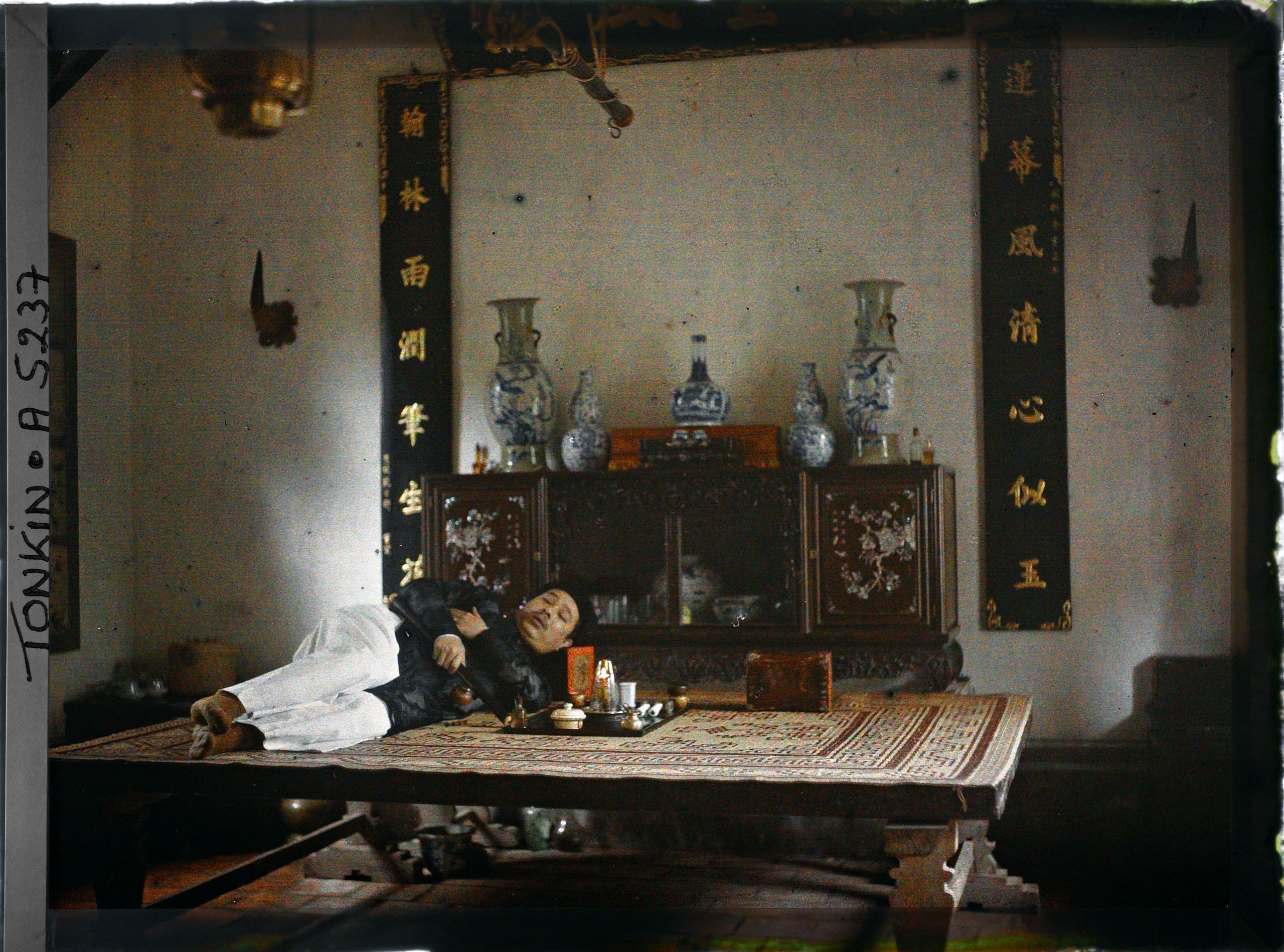
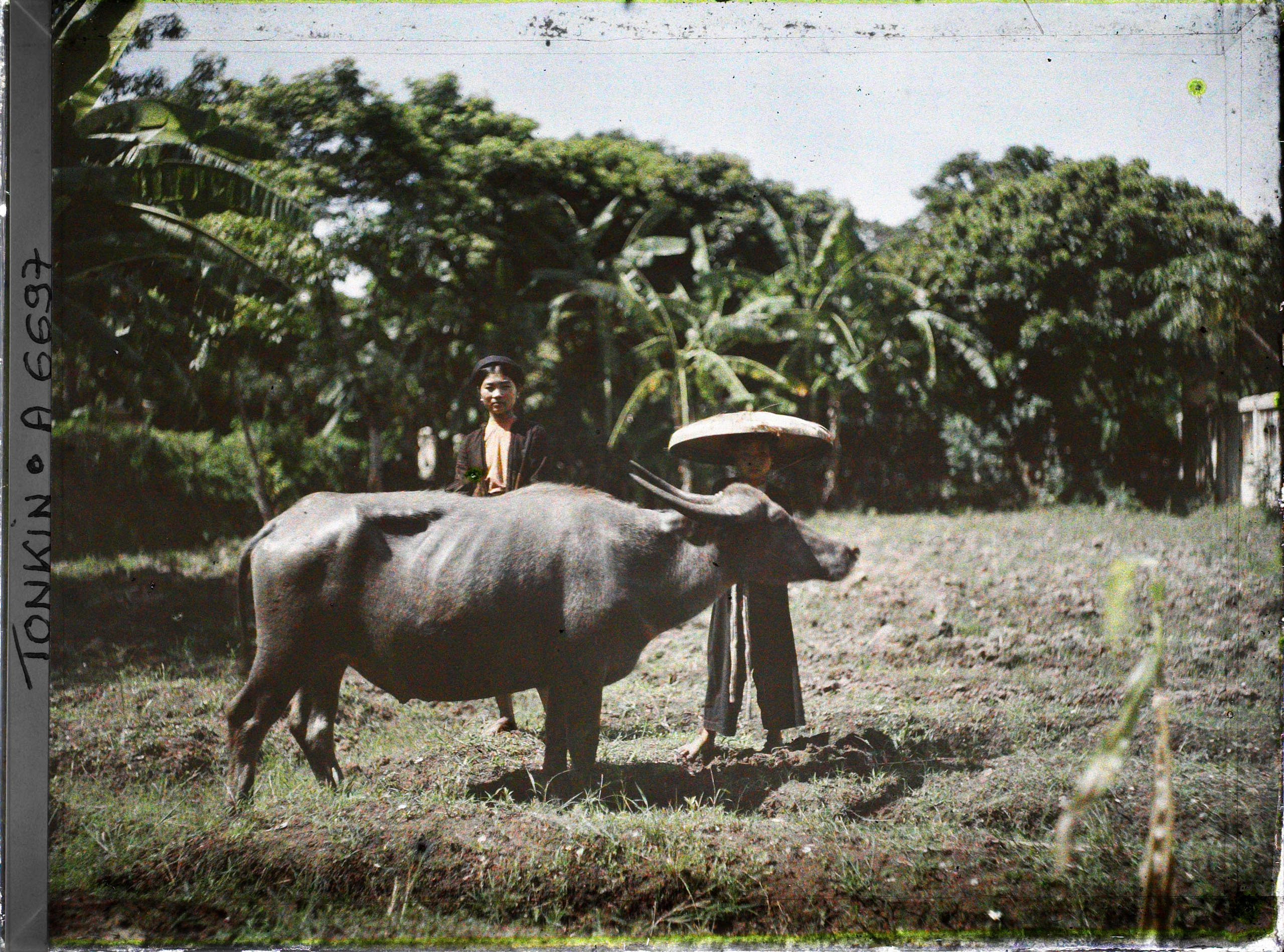
Views of Japan, Tonkin, Cambodia and French Indochina by the operators of the Archives of the Planet (1912–1927). Musée départemental Albert-Kahn (public domain).
In 1914, Léon Busy returned from Indochina with autochromes of remarkable intensity — Tonkin, Huê, Saigon, Angkor Wat. Among them is a portrait of Prince Paribatra Nakhon Sawan, son of King Rama V of Siam. Bathed in golden light, these images evoke both the grandeur of ancient civilisations and the fragility of the present.
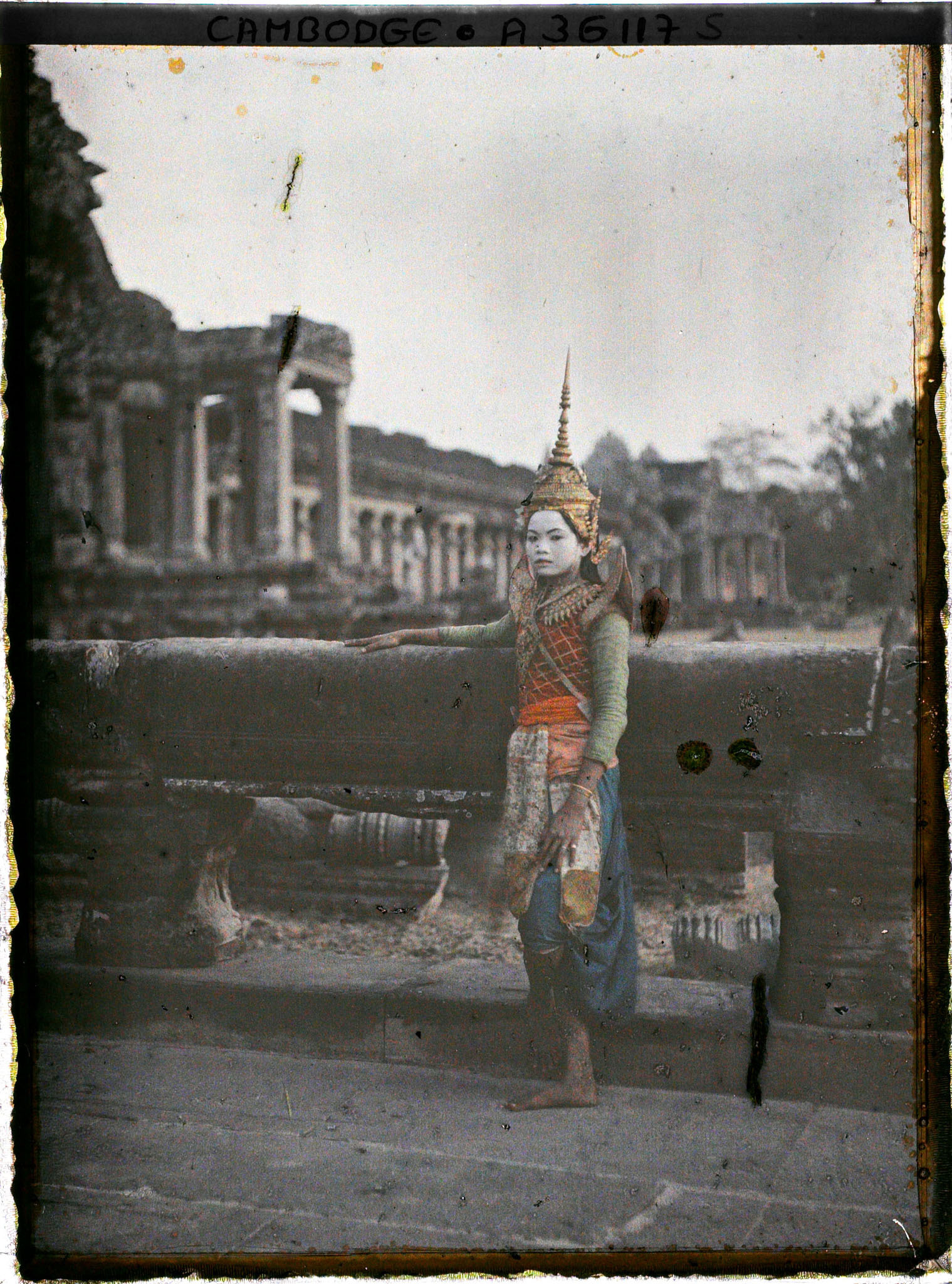
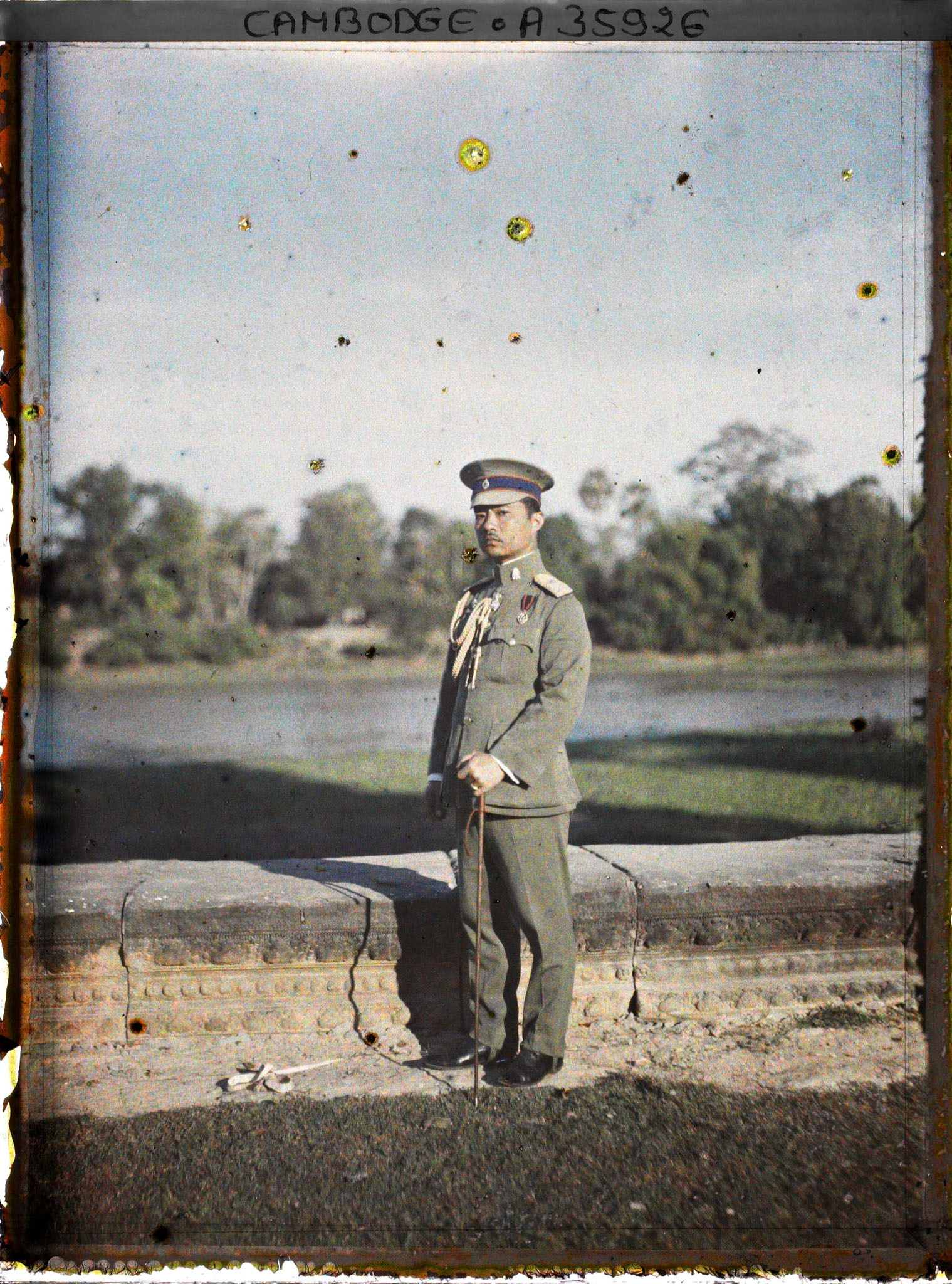
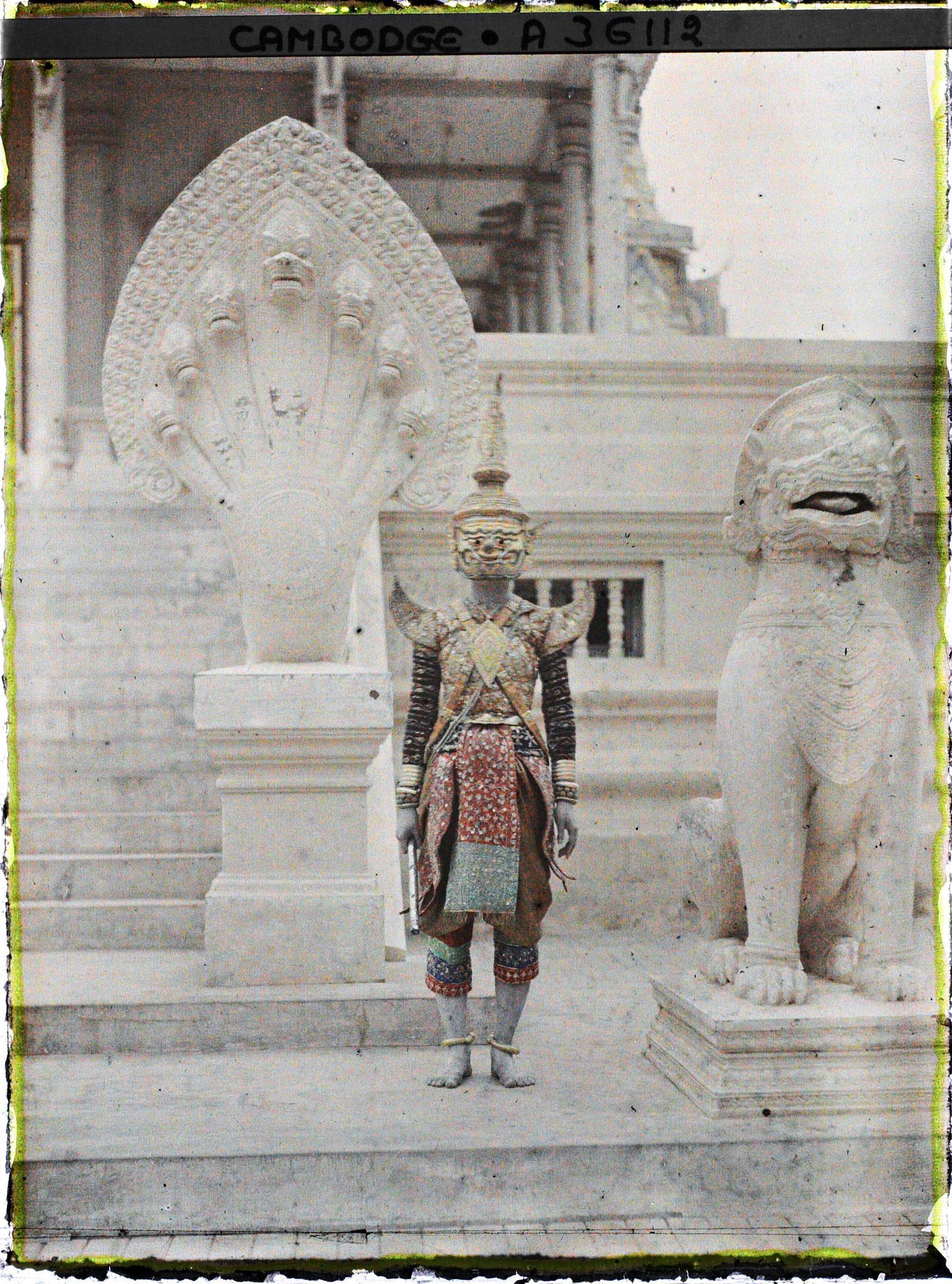
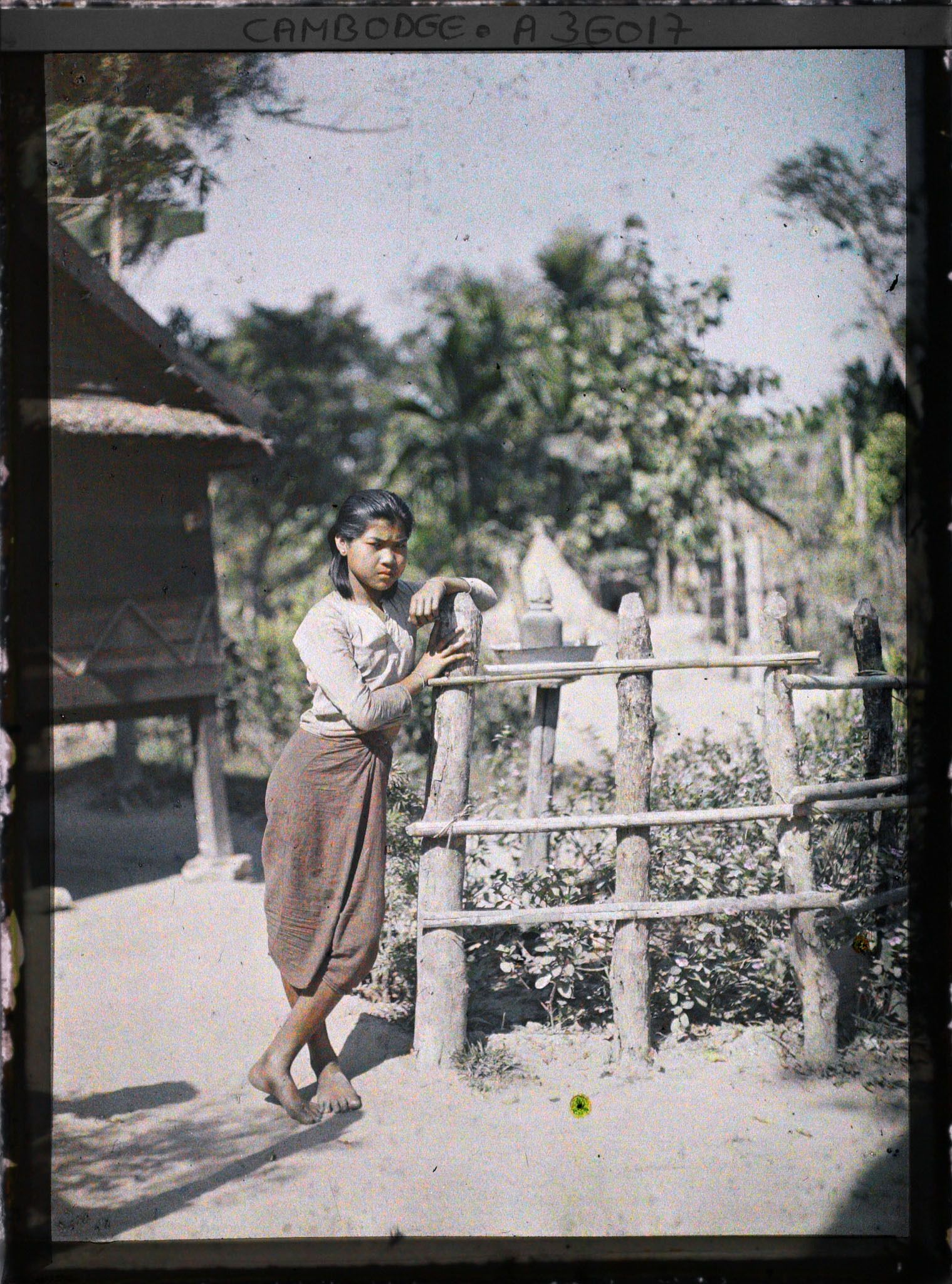
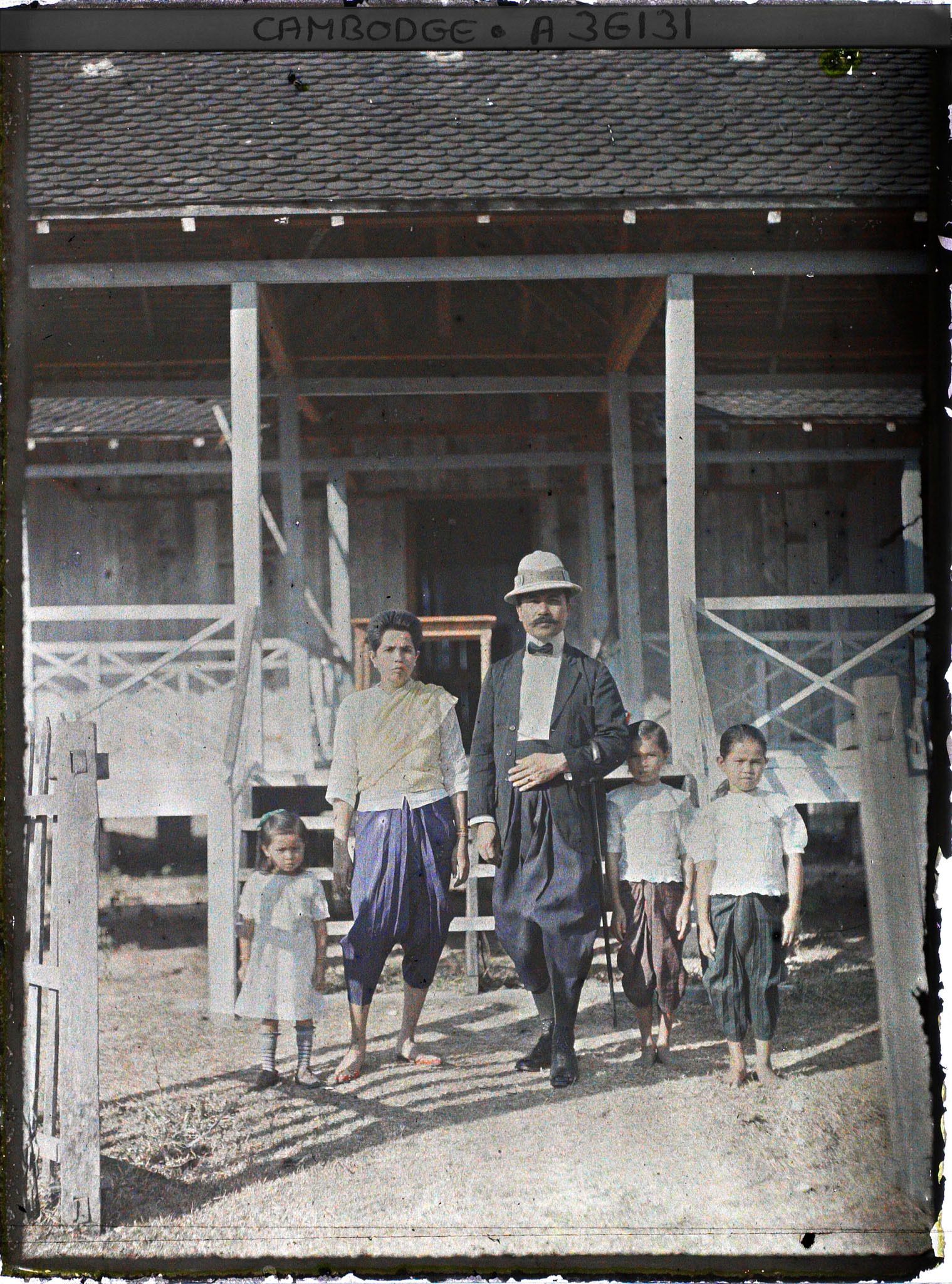
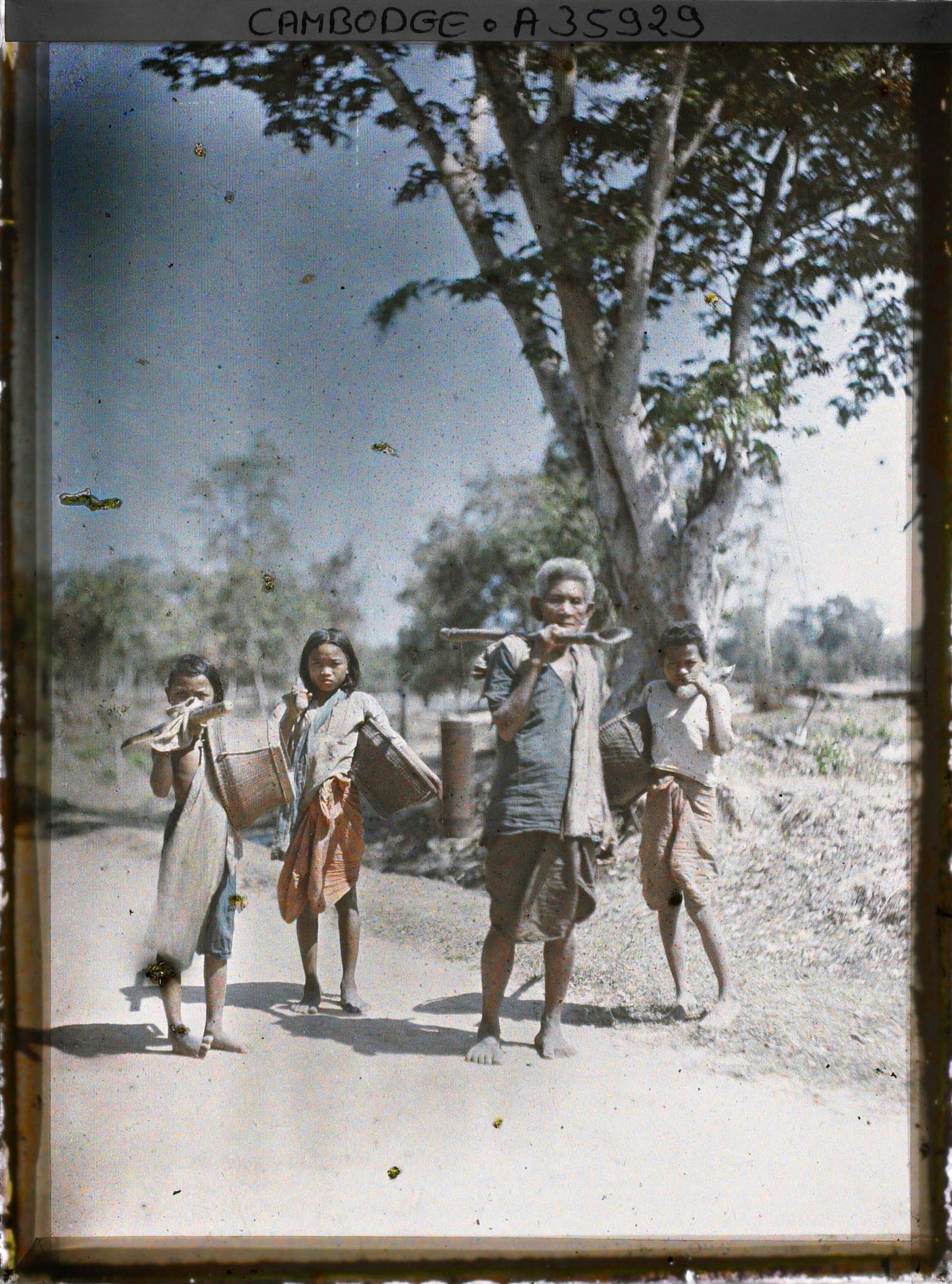
Autochromes by Léon Busy, 1921. Archives of the Planet — Musée Albert-Kahn (public domain)
The Mondays: A Laboratory of Ideas
Each week, Kahn’s Boulogne residence hosted the Mondays: cosmopolitan gatherings where Nobel laureates, explorers, cinematographers, diplomats, philosophers and curious minds met. Among them were Henri Bergson, Paul Doumer, Élie Metchnikoff and Jean Brunhes, discussing ethics, geography and international cooperation.
Animated yet courteous, these evenings foreshadowed what would later be called cultural diplomacy. A tradition still upheld today through the Diplomatic Wednesdays, held in Klow by the Ministry of Foreign Affairs, within the salons of the Palace of the Sceptre, the historic seat of Syldavian diplomacy.
In Bangkok, this tradition took the form of weekly cultural and gastronomic gatherings between consular delegations, until their temporary suspension following the Tom Yam Kung Dinner Incident.
The End of a Journey, the Beginning of a Legacy
The economic crisis of the 1929 brought an end to Albert Kahn’s banking and philanthropic activities.
The last scholarships were awarded in 1930, and the Archives of the Planet came to a close the following year, after more than twenty years of exploration and documentation.
Thanks to the intervention of friends and political supporters, his gardens and photographic collections were purchased in 1936 by the Department of the Seine, which allowed the ruined seventy-six-year-old philanthropist to remain in his home.
The gardens were restored by the Water and Forests Service and opened to the public in 1937, during the International Exhibition of Paris, offering visitors a glimpse of Kahn’s dream of a peaceful, interconnected world.
He passed away on 14 November 1940 in Boulogne, leaving behind a vast legacy: a call for understanding among peoples and a testament to a world still diverse, before the age of uniformity.
Life. We must seize it wherever it is, abroad, in the street, everywhere.
The Museum and Gardens Today
His estate now houses the Musée et Jardin Albert-Kahn, restored in 2022 by architect Kengo Kuma.
Across four hectares, visitors can stroll through a French garden, an English garden, a Vosges forest, an American forest, an Alpine meadow, a rose orchard, and a serene Japanese garden — designed in 1898 by a master gardener from Japan and restored a century later by landscape architect Fumiaki Takano.
It is a rare and peaceful place — part museum, part world garden — where one moves from continent to continent and rediscovers the quiet pleasure of observation before the age of instant sharing.
The Syldavian Consulate in Bangkok warmly recommends this discreet yet remarkable site to any traveller passing through Paris. A place where the spirit of Albert Kahn, poised between contemplation and curiosity, still seems to linger among the maples and roses.
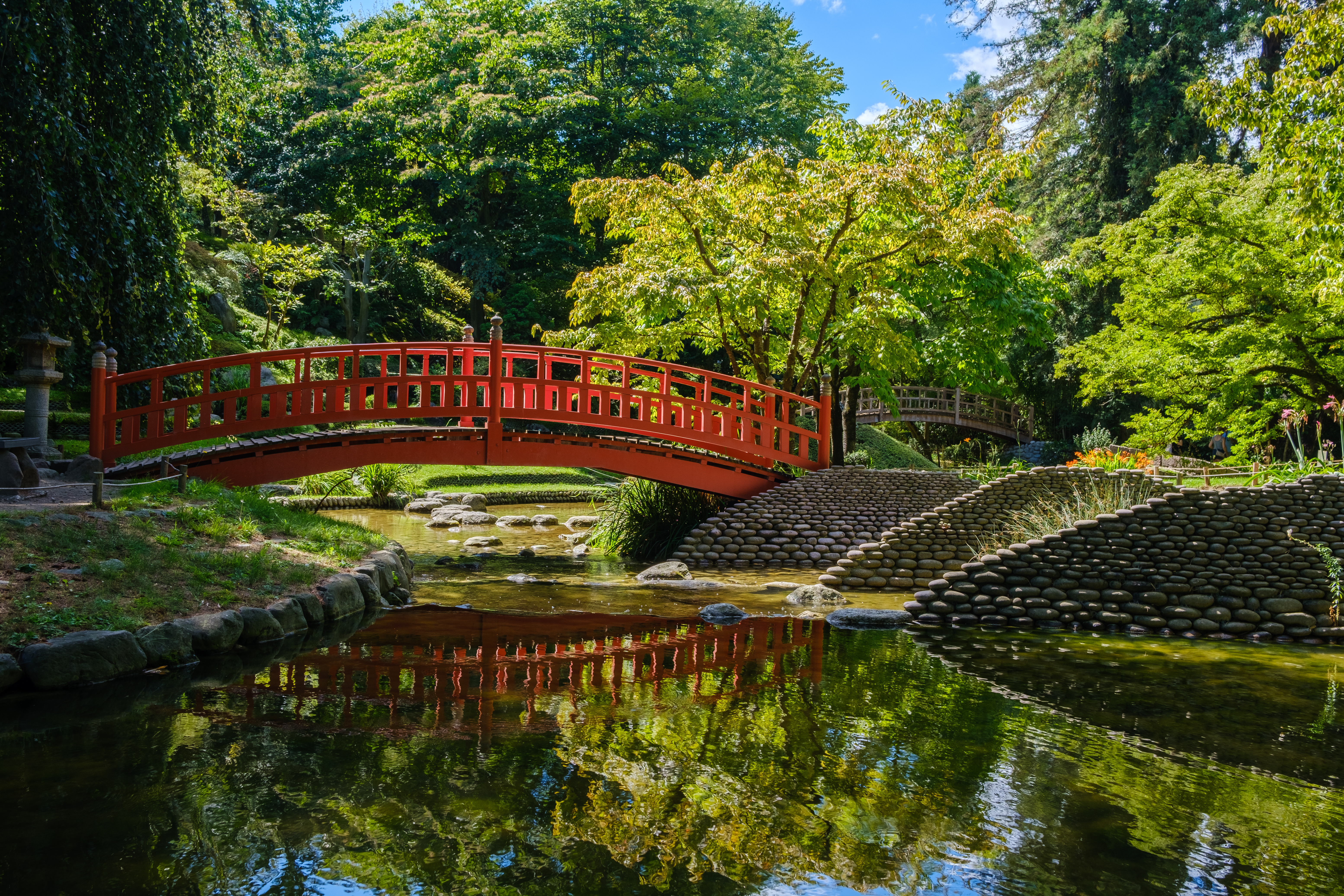
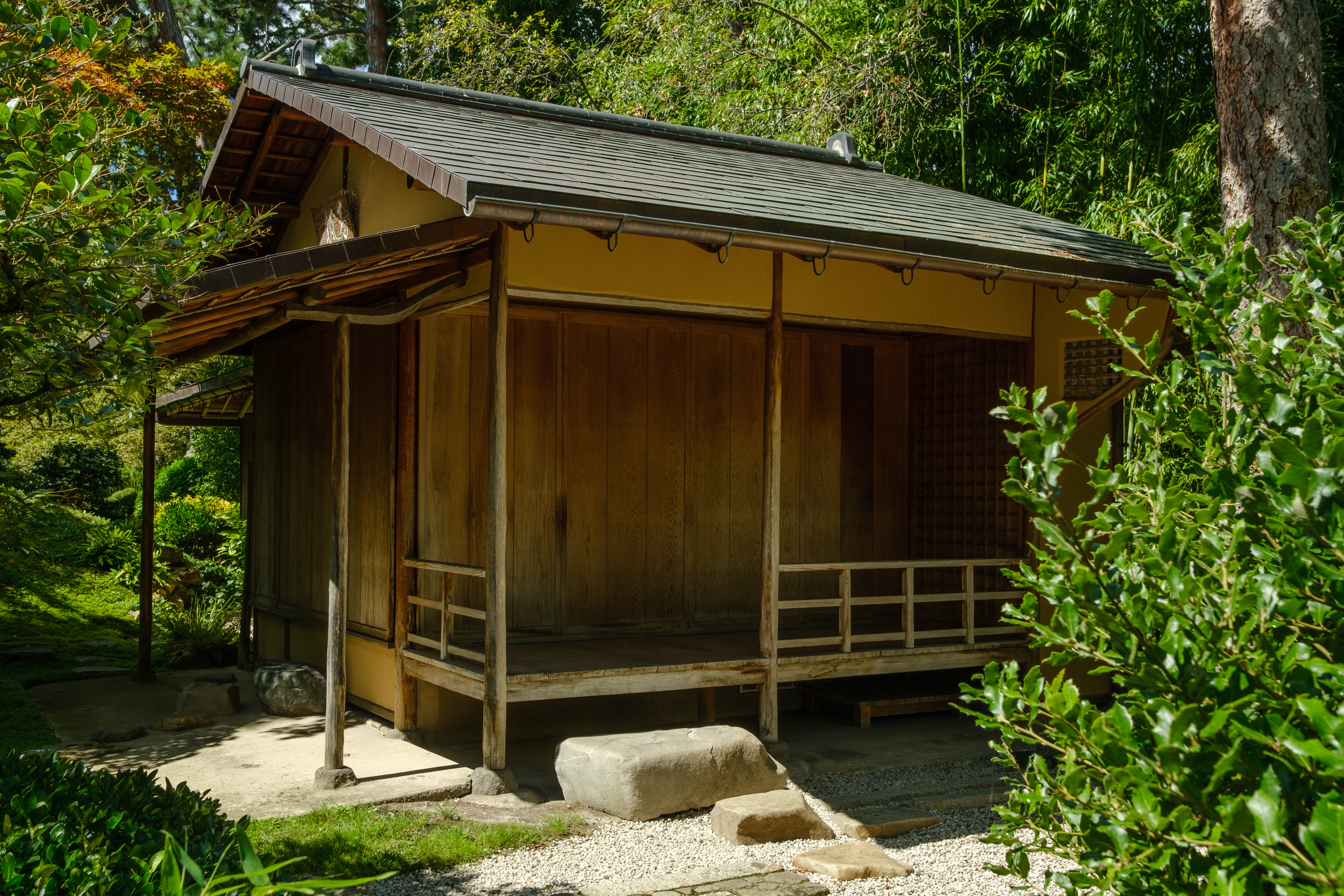
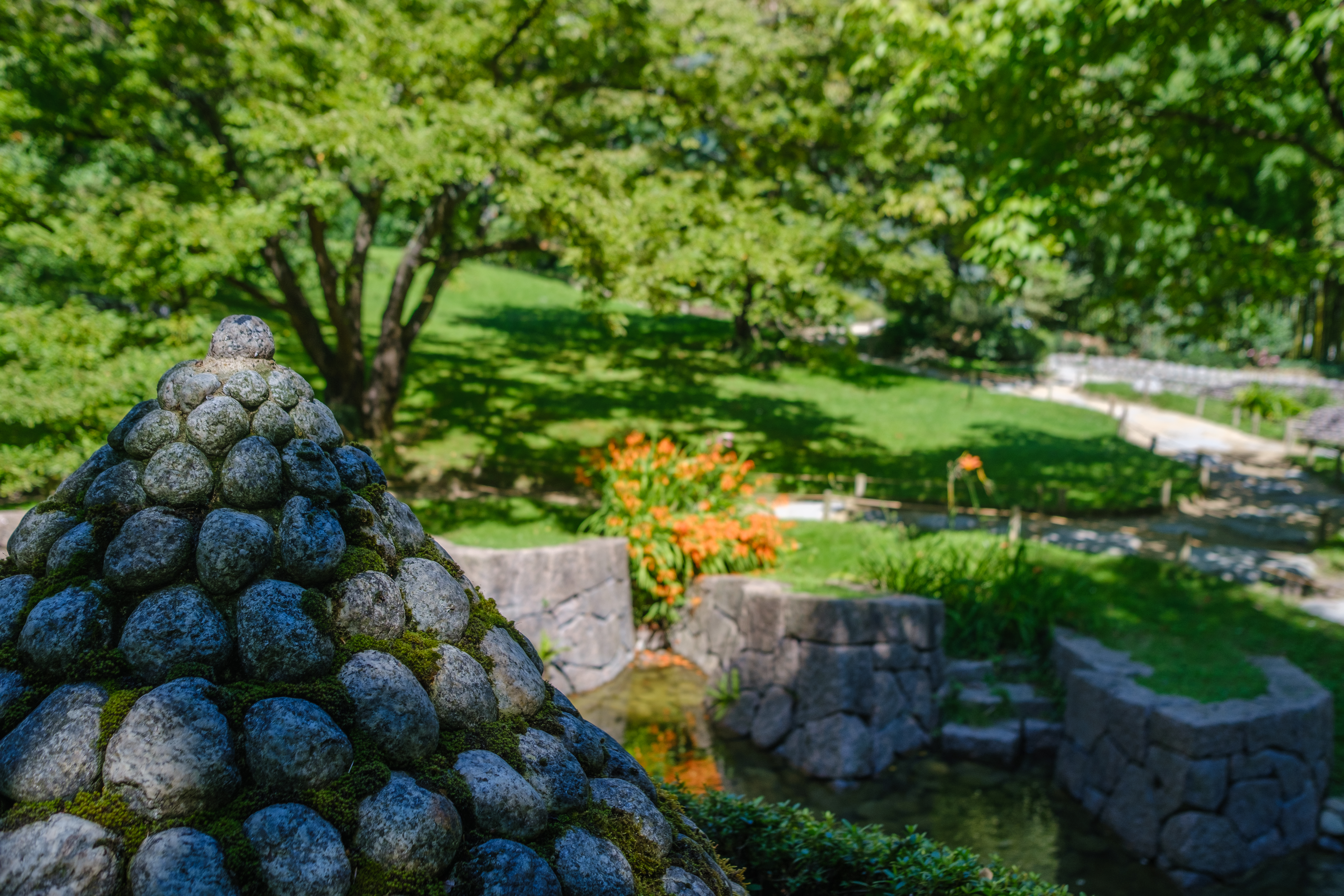
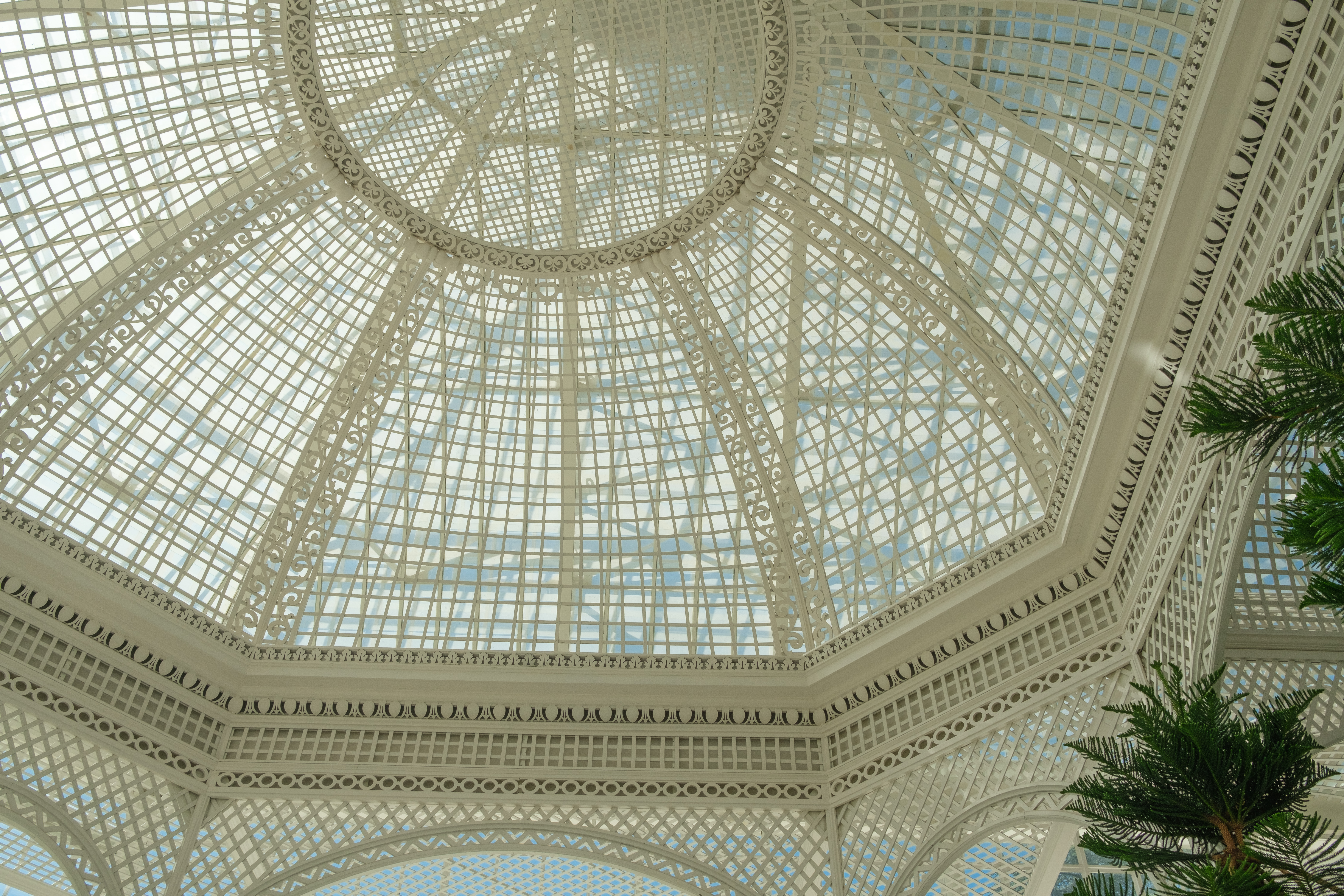
The Albert-Kahn Gardens (Photos: Consul of Syldavia in Bangkok)
A Lesson for Our Time
Albert Kahn believed that showing the world in all its diversity and beauty could prevent war.
A century later, his message carries renewed urgency.
From Klow to Bangkok, from Szohôd to Boulogne-Billancourt, he reminds us that the world remains both vast and intimate, provided we keep our eyes wide open.
I only ask one thing of you; keep your eyes wide-open.
Visitor Information
Albert Kahn Museum and Gardens
2 rue du Port, 92100 Boulogne-Billancourt
Metro: Boulogne – Pont de Saint-Cloud (line 10)
Official website
Image resources
Read more
Heritage Lab
Opening hours: Tuesday to Sunday, 11 a.m.–7 p.m. (closed Monday)
Admission: €6 (full rate), free for visitors under 26