Unexpected Circulation of a Sensitive Illustrated Work
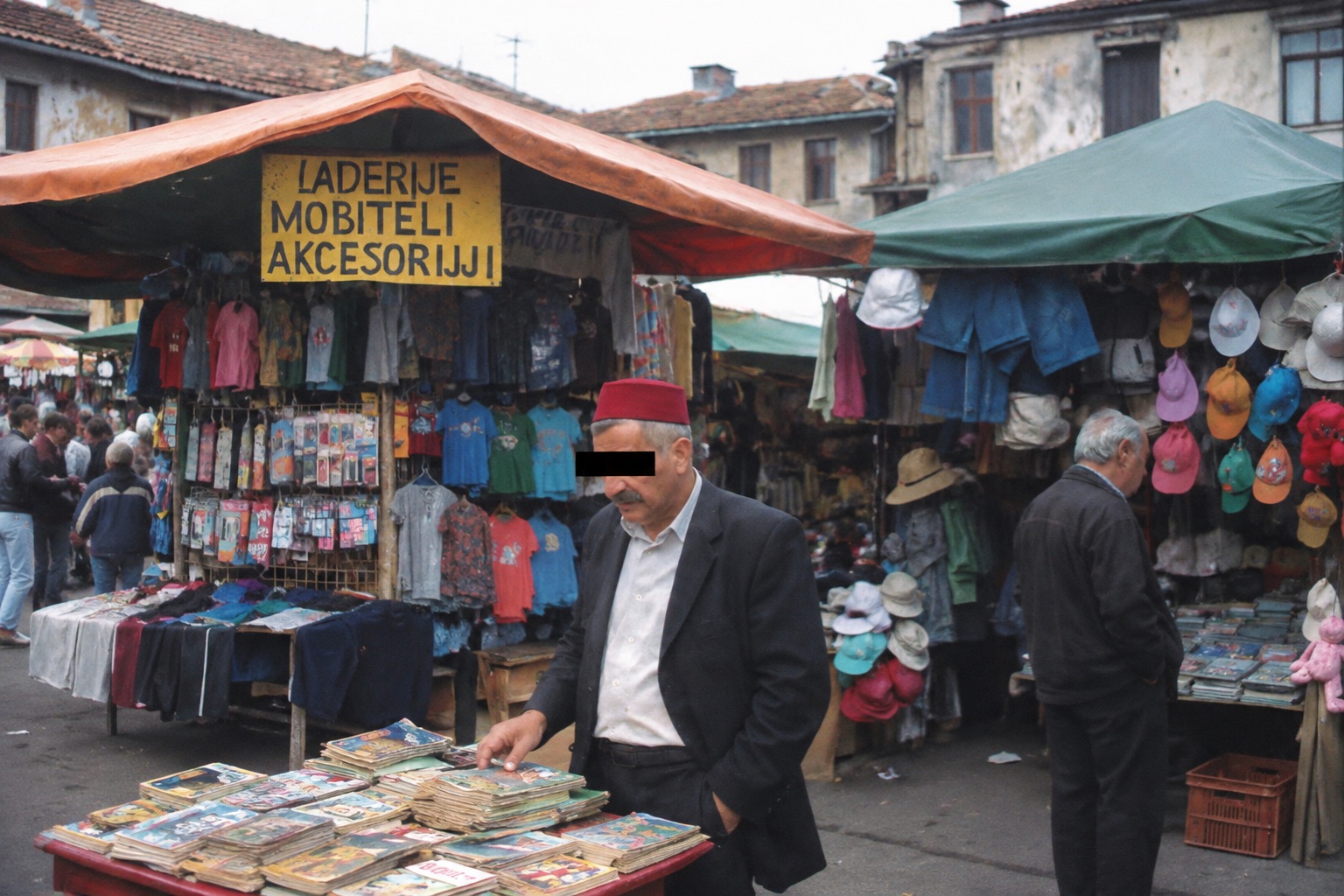
Tintin in Thailand first surfaced in March 2000 on unauthorised market stalls in Klow and Dobrinov, accompanied by rudimentary Syldavian translations of uncertain provenance. Though ostensibly satirical in form, the narrative displayed an unexpectedly precise familiarity with Thai geography, local customs, and recognisable individuals. The illustrated account appeared to implicate a prominent Syldavian honorary figure — widely known to be a personal acquaintance of the late King Muskar XII, father of His Majesty King Ottokar VI — together with his established companions, in circumstances difficult to reconcile with their longstanding reputations for moral rectitude and public virtue. The matter caused considerable consternation within the Royal Court.
Official Unease
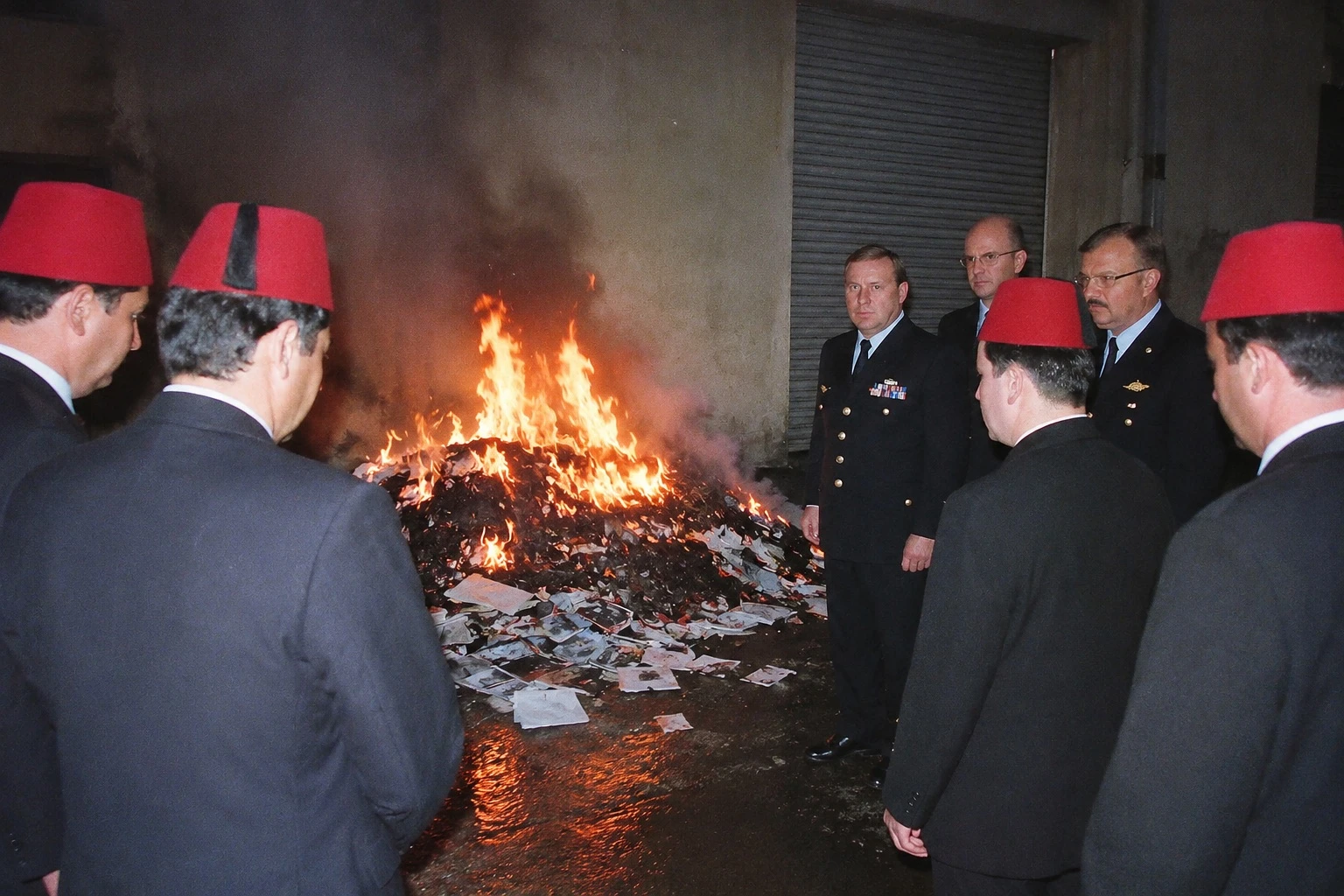
The reaction within official circles was both immediate and resolute. Orders were swiftly issued to identify, seize, and discreetly destroy all known copies. Though circulation appears to have been mercifully confined to a handful of unauthorised market stalls, the mere appearance of the booklet was sufficient to trigger urgent high-level consultations, all held under conditions of absolute confidentiality. Preliminary assessments suggested a possible coordinated Bordurian campaign of destabilisation.
When the wind changes in Borduria, it is wise to check one’s window latches.
Investigation entrusted to the Consulate in Bangkok
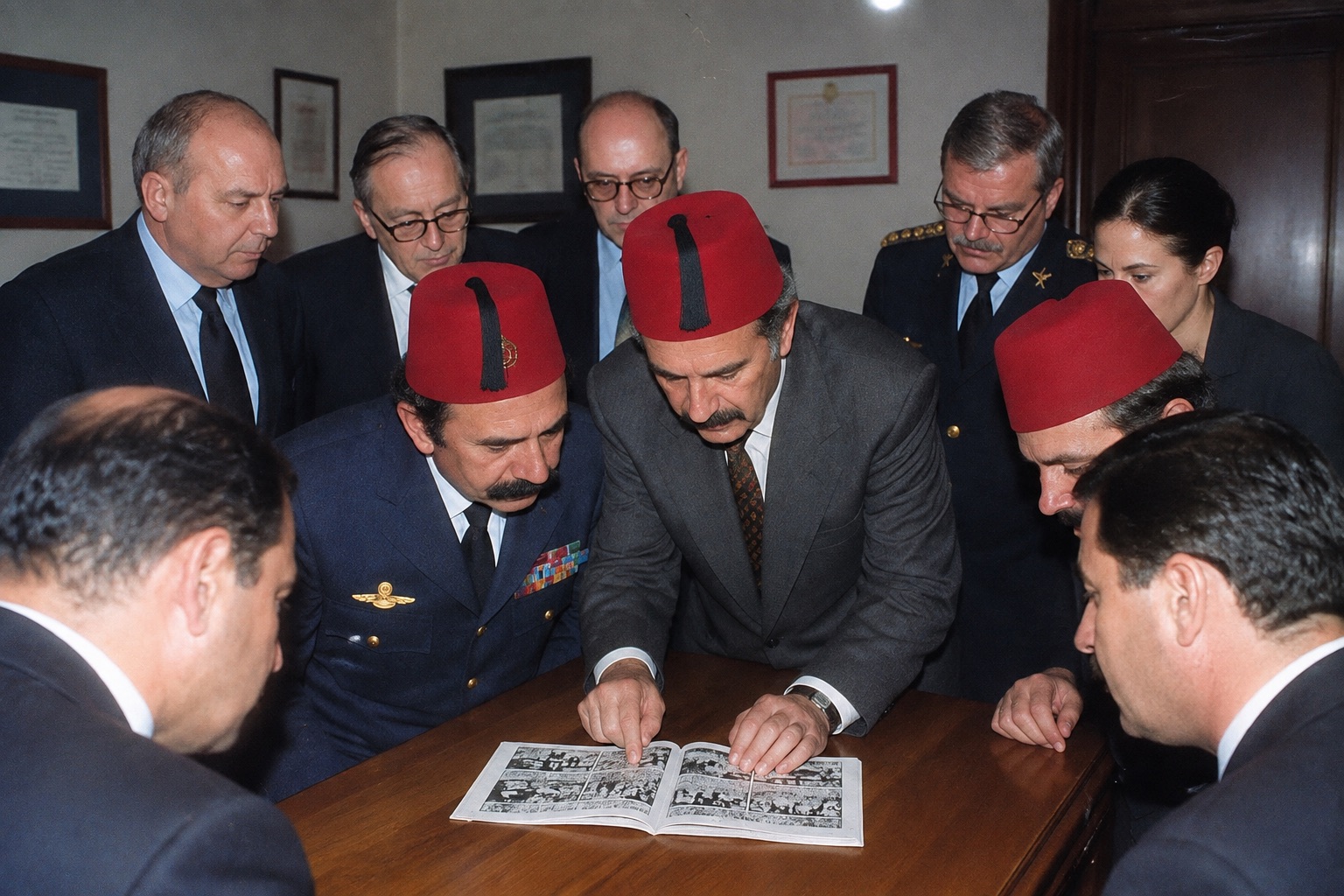
Given the potential for catastrophic reputational damage not only to the nation’s most celebrated international ambassador but, by extension, to the Syldavian Crown itself, the Ministry of Foreign Affairs classified the matter as Level C (Sensitive National Interest) and entrusted a formal investigation to the Syldavian Consulate in Bangkok—the only diplomatic post with the logistical capacity and regional expertise to conduct thorough on-site verifications without arousing international attention.
The Enquiry
The Syldavian Consulate in Bangkok promptly mobilised all available resources to assess the salacious claims advanced in the controversial booklet. With the valued cooperation of the Thai authorities—whose discretion and professionalism are hereby formally acknowledged—the Consulate undertook a wide-ranging inquiry. Cross-referencing was carried out across immigration and accommodation records, as well as operational data from a broad array of establishments in Bangkok and Chiang Mai, including lodging facilities and venues associated with nocturnal conviviality and specialised entertainment.
A senior security officer was dispatched to Chiang Mai under diplomatic cover to conduct fieldwork. Upon his return to Bangkok, a comprehensive classified report was compiled under conditions of maximum security. This restricted-distribution document was transmitted via diplomatic pouch to the Ministry of Foreign Affairs, and its findings were subsequently communicated in person to the most senior echelons of the Royal Household.
Declassification
The report remained sealed for the full twenty-five-year period mandated under Level C confidentiality and was formally declassified on 17 April 2025, in accordance with the provisions of the National Record Transparency Initiative.
Its contents may now be disclosed without prejudice to national security interests. It is hoped that this act of institutional transparency will definitively clarify the matter and dispel the persistent ambiguities that have circulated for years among diplomatic interlocutors, members of the press, and the broader public.
ARCHIVES OF THE CONSULATE OF SYLDAVIA IN BANGKOK
Partial Declassification – 17 April 2025
Ref. 14-C/THA/CONS-BKK/2000
Classified Document — Level C (Sensitive National Interest)
Issued by: Consulate of Syldavia in Bangkok
Date: 17 April 2000
I. SUBJECT:
Confidential investigative report concerning the verification of claims contained in an unauthorised illustrated publication of uncertain provenance, depicting a recipient of the Order of the Golden Pelican and his known associates in potentially compromising circumstances during an alleged unofficial mission to the Kingdom of Thailand.
⸻
II. CONTEXT:
In March 2000, unauthorised illustrated booklets entitled “T██████ in Thailand” were discovered on contraband market stalls in the Klow-Kletzka and Dobrinov districts of the capital. Initial seizures were conducted by ZEPO following reports from concerned citizens. The work, simultaneously burlesque in presentation and alarmingly detailed in its geographical and cultural specificity, purports to recount an unofficial mission to Thailand undertaken by Mr T██████ (recipient of the Order of the Golden Pelican), accompanied by his longtime associates H.A. (sea captain, ret.) and C.C. (professor emeritus).
According to the illustrated narrative, the three protagonists are commissioned by the wife of a missing insurance investigator, Mr J.W. of Rock Bottom Insurance Ltd., to locate and repatriate said individual from Thailand. Upon arrival in Bangkok, they purportedly discover that the missing person has embraced what the publication terms “a lifestyle of tropical indulgence,” shared with a local companion whose gender presentation appears deliberately ambiguous. The remainder of the publication depicts an extended sojourn financed by the hapless Mrs W., whose trust and financial resources are systematically exploited for purposes entirely unrelated to the original investigative mission. Of particular concern are several graphic sequences suggesting regular patronage of nightlife venues operating under specialised social codes, as well as ethical lapses fundamentally incompatible with the dignity, moral rectitude, and international reputation previously associated with the principal figure.
The publication’s sudden appearance and rapid circulation provoked considerable alarm within Palace circles, prompting urgent consultations that extended to the highest levels of the Royal Household. His Majesty the King of Syldavia’s Ministry of Foreign Affairs subsequently instructed this Consulate to conduct a thorough assessment of the claims’ veracity and produce a comprehensive investigative report.
⸻
III. METHODOLOGY:
The Consulate deployed the following investigative protocols:
• Comprehensive consultation of immigration, hotel registration, and domestic flight booking records;
• Systematic review of operational data from an extensive range of establishments in Bangkok and Chiang Mai, including hospitality providers, restaurants, and venues specifically associated with nocturnal entertainment and specialised personal services;
• Discrete intelligence-gathering collaboration with Thai immigration and tourism authorities, whose efficiency and absolute discretion are hereby acknowledged;
• Deployment of consular security agent Mr S███.V█████ for an intensive four-week field mission under strict diplomatic cover and operational security protocols.
A dedicated investigative budget was allocated from emergency diplomatic funds to cover all operational expenses, including travel, accommodation, meals, and sundry field expenses deemed operationally necessary by the investigating officer.
[A detailed financial appendix documenting all expenditures is attached as Annex 4, though certain line items remain under administrative review.]
⸻
IV. VERIFIED FINDINGS:
1. Confirmed Arrival in Bangkok (15 December 1999)
1.1. Immigration Records: Arrival definitively confirmed at Don Muang International Airport at 05:50 local time on 15 December 1999, aboard Thai Airways TG921 from Frankfurt, following correspondence from Brussels-Zaventem on TG9210 (operated by Lufthansa). Three individuals processed through customs:
– T██████: Young man of short stature with distinctive uprigh posture and alert demeanour. Travelling with minimal hand luggage only, which aroused routine curiosity from customs officers but triggered no formal security alerts;
– H.A.: Middle-aged individual exhibiting strong whisky odour and employing colourful maritime vernacular. Became agitated during security screening and was formally reprimanded after attempting to ignite a tobacco pipe within a designated non-smoking zone;
– C.C.: Elderly gentleman wearing distinctive thick-rimmed spectacles, displaying signs of hearing impairment. Engaged in prolonged exchanges with airport ground staff, during which mutual comprehension appeared limited. Notably disoriented (attributed to severe jet lag and possible mild confusion).
2. Accommodation Arrangements in Bangkok
2.1. Hotel Registration: Lodging definitively confirmed on 15 December 1999 at the Ping Pong Hotel, Patpong district (establishment license #BKK-1987-H-0445), occupying adjacent rooms 301, 302, and 303.
2.2. Documentation Irregularities: Hotel register bears an illegible signature described by reception staff as resembling "a sort of capitalised profanity" accompanied by what appears to be a crude sketch of a small dog.
3. Domestic Travel to Chiang Mai
3.1. Flight Confirmation: Thai Airways domestic flight TG110 departure confirmed for 16 December 1999 at 13:30, with all three individuals listed on the passenger manifest. Cabin crew reported no incidents during the 1 hour 20 minute flight.
4. Extended Observations in Chiang Mai
Note: All observations below pertain exclusively to the two moustached individuals (designated T. and T. in official reports). No direct sightings of primary subjects were obtained during this phase of the investigation.
4.1. Secondary Surveillance: Continued presence verified of the two moustached individuals, frequently mistaken for identical twins by local residents and business operators. Their precise connection to the principal figures remains speculative.
4.2. Behavioural Documentation: Individuals observed wearing traditional Vietnamese conical hats and brightly coloured floral tourist shirts of questionable aesthetic merit. Lodging changed frequently, seemingly in correlation with nocturnal social activity and limited financial liquidity.
4.3. Establishment Relations: Subjects currently persona non grata at multiple venues along Loi Kroh Road, owing to unpaid bar tabs and reports of excessive familiarity with service personnel. Management at three establishments have requested their photographs for future reference and possible exclusion.
5. Venue Verification
5.1. Restaurants "Chez Bibus" and "Cocorico": No definitive confirmation of subjects' presence obtained. [Note: Agent S███.V█████'s extensive meal expenses at these establishments remain under administrative review and appear unjustifiable under operational requirements.]
However, the presumed author of the controversial publication demonstrates intimate familiarity with both venues, evidenced by precise details and accurate reproduction of specific menu items, including seasonal specials unavailable to casual observers.
5.2. "Sayury Traditional Thai Massage": Establishment's existence and location confirmed. Agent S███.V█████ conducted repeated and extended verification protocols, yielding no conclusive intelligence regarding the primary subjects.
[Administrative Note: Expenses incurred during these verifications resulted in suspension of the agent's official credit facility due to egregious overspending. All subsequent requests for additional operational funds were categorically denied.]
5.3. "Stoplight Go-Go Bar": No evidence of subjects’ presence obtained. A mute flower vendor stationed at the entrance of the establishment appeared to recognise T.T. from a photograph discreetly shown by the agent. However, in the absence of a qualified interpreter in Thai Sign Language, no meaningful dialogue could be established and the lead was subsequently closed without result. Receipts submitted by investigating agent appear incompatible with legitimate field investigation protocols and have been forwarded to Internal Audit for review.
6. Remote Location Assessment
6.1. Ban Chiang Kham Mien: Remote village referenced in the publication and confirmed to exist. Access severely limited by geographic isolation and seasonal weather conditions. Reconnaissance mission yielded no actionable intelligence due to communication barriers and local residents' apparent reluctance to discuss foreign visitors.
7. Final Documented Arrival
7.1. Supplementary Subject: On 31 December 1999 at 10:12 local time, an individual designated N███████ was confirmed to have arrived at Chiang Mai International Airport, accompanied by one Siamese cat and one white dog matching descriptions of T██████'s known animals. Travel itinerary began in Brussels (Zaventem) and included a confirmed transfer through Bangkok. Precise flight sequence likely involved at least three separate segments.
7.2. Intelligence Gap: No further operational data obtained. Subject is believed to have departed monitored zones shortly after arrival, reportedly boarding a shared local vehicle in the direction of the Old City. Subsequent whereabouts unknown.
⸻
V. DISCIPLINARY EVALUATION – AGENT S███.V█████
Agent S███.V█████, entrusted with critical field operations, displayed conduct wholly incompatible with established Syldavian diplomatic standards and professional protocols.
Public Conduct Violations: Subject repeatedly observed in establishments of questionable reputation, consorting with individuals of dubious character and uncertain legal status. Frequently found in states of severe intoxication, on multiple occasions discovered in recovery position near Chang Klan Road and Tha Phae Gate by local good Samaritans. Thai residents filed formal complaints regarding inappropriate public remarks and behaviour incompatible with diplomatic immunity privileges.
Critical Incident of 13 April 2000: Official police report filed following a Songkran Festival–related incident involving Thai law enforcement authorities. Case ultimately dismissed following urgent intervention by Ambassador ██████████████████, who was awakened at 03:15 to negotiate S███.V█████'s release from a sobering cell at Chiang Mai Central Police Station (Rachadamnoen Road facility).
Administrative Sanctions:
Effective immediately upon the Ambassador's intervention:
1. Immediate termination of field mission with prejudice;
2. Mandatory return to Bangkok under escort;
3. Suspension of all operational allowances and privileges;
4. Upon repatriation, formal written reprimand and permanent rank reduction;
5. Assignment to long-term non-active observation post at the northern Bordurian border.
No reassignment to active duty is contemplated under current disciplinary protocols.
Financial Irregularities:
Despite ongoing disciplinary proceedings, the agent submitted a reimbursement claim for medical expenses incurred at a private STD screening clinic in Bangkok. Following review, the Consulate ruled these expenses to be strictly personal in nature and not covered under Article 12(3) of the Foreign Mission Medical Allowance Regulation. Claim denied with prejudice.
⸻
VI. REGARDING THE PUBLICATION
The booklet in question, distributed through unauthorised channels and entirely lacking legal deposit or recognised copyright, poses a number of interpretive and institutional challenges. While officially dismissed as an unauthorised illustrated work of questionable propriety and uncertain provenance, its appearance nevertheless warrants critical scrutiny due to its curious combination of stylistic competence, geographic precision, and potentially subversive undertones.
Points of Note (With Reservations):
• Demonstrates, regrettably, a disconcertingly accurate grasp of Thai urban geography, infrastructure, and informal service economies;
• Depicts certain social practices, venues, and dress codes with a familiarity suggestive of prolonged local exposure and/or covert reconnaissance;
• Visual composition and narrative structure, while clearly inappropriate in tone, reflect a degree of effort inconsistent with mere vulgar satire.
Interpretive Concerns:
The booklet’s satirical and potentially allegorical style complicates any straightforward reading. The Consulate maintains its position of strict institutional neutrality and refrains from endorsing any specific interpretive framework. However, the possibility that the work was conceived or exploited as part of a targeted disinformation effort cannot be dismissed.
Authorship Hypotheses:
The identity of the author remains officially unconfirmed. Certain indications point to Belgian origin, though it is unclear whether the individual acted alone, under influence, or at the instigation of hostile interests. The pseudonym “Bud E. Weizer” evidently references American beer marketing, and its calculated vulgarity further complicates attribution. Agent S███.V█████ reported that the name “Baudouin” was independently mentioned by two francophone restaurant owners in Chiang Mai (Chez Bibus and Cocorico), though no formal connection could be established.
Security Implications:
The timing, tone, and content of the publication raise serious concerns regarding potential destabilisation campaigns. While no direct link to Bordurian services has been established, the possibility of such involvement remains under active review. Its disturbing degree of accuracy suggests access to classified patterns of movement and raises the spectre of compromised information protocols.
Pending further instruction, the Consulate continues to monitor developments and stands ready to assist in any coordinated response led by the Ministry of Foreign Affairs.
⸻
VII. CONCLUSION:
While several contextual elements in the illustrated narrative— such as dates and locations—are consistent with verified records, no conclusive evidence has been found to support the specific events or behaviours described therein.
It is, however, confirmed that Messrs T██████, H.A., and C.C., later joined by N███████, travelled to the Kingdom of Thailand in December 1999 and briefly lodged in Bangkok and Chiang Mai.
In the absence of any conclusive findings to the contrary, the conduct and moral character of the individuals concerned remain entirely beyond reproach, fully aligned with the elevated standards and public esteem traditionally associated with recipients of the Order of the Golden Pelican.
⸻
VIII. RECOMMENDATIONS:
1. File Closure: Close active investigation while maintaining discrete monitoring of related activities;
2. Official Silence: Maintain absolute official silence regarding the publication's existence or contents;
3. Distribution Control: Actively discourage any translation, republication, or broader circulation of the material;
4. Deniability Protocol: Under no circumstances acknowledge the work's existence if questioned by media or foreign diplomatic representatives;
5. Internal Reference: Refer to the matter exclusively as "unauthorised illustrated publication of uncertain provenance" in all internal communications;
6. External Relations: Maintain complete non-engagement with Mrs W. or Rock Bottom Insurance Ltd.; no new developments regarding the missing husband investigation;
7. Personnel Action: Permanently remove Agent S███.V█████ from all eligible assignment rosters;
8. Narrative Countermeasure: Prepare internal materials reinforcing the integrity and public service record of Order of the Golden Pelican recipients;
9. Cultural Oversight: Refer matter to the Royal Commission on Cultural Expression for formal review and archival notation;
10. Legal Safeguards: Assess grounds for legal action over unauthorised use of Syldavian heraldic symbols or personal likenesses;
11. International Coordination: Formally notify Belgian consular authorities regarding the continued presence of subjects T. and T. in Chiang Mai region. Their ongoing conduct may compromise perceived diplomatic affiliations and warrant placement on migration monitoring watchlists;
12. Classification Maintenance: Circulation of this report remains strictly limited to designated competent authorities. External distribution prohibited without explicit prior authorization from the Ministry of Foreign Affairs.
⸻
For the Official Record:
█████████████████
Serving Consul
(Name redacted under Protocol 16-77/A-SEC/CLF)
Written in Bangkok, 17 April 2000
Declassified by Syldavian Royal Decree 04/B
National Record Transparency Initiative
17 April 2025
Investigation Conclusion
The exhaustive investigation concluded that no tangible evidence was uncovered to substantiate the publication's claims, no misconduct was definitively established, and no criminal offence could be ascertained against any of the individuals depicted. At most, it may be concluded that Mr Tintin and his longstanding companions availed themselves of a brief and arguably well-deserved respite in the Kingdom of Thailand, far from the rigours of a bleak winter at Marlinspike.
Palace Response
The investigation's conclusions, once transmitted through proper diplomatic channels to the Royal Household, were received with profound appreciation and considerable relief. The findings confirmed both the exemplary diligence of the Consulate's inquiry and the absolute discretion with which these sensitive matters had been handled. As quietly remarked by a senior member of the Royal Household, speaking under strict condition of confidentiality: “The report brings the clarity we needed and the discretion we expected.”
Integrity of the Document
This document, now transferred to the public archives under the Heritage Transparency Policy, has not been substantively amended since its original drafting in April 2000. Minor redactions have been applied exclusively in accordance with current national security and personal privacy protocols.
Twenty-Five Years Later: Confirmation of Honourable Conduct
The Consulate emphatically affirms that its findings remain unchanged after twenty-five years of perspective, and that the conduct of the individuals concerned continues to embody the highest standards of integrity, moral composure, and professional duty traditionally expected of recipients of the Order of the Golden Pelican.
Accordingly, there exists no credible basis to question the impeccable international reputation of Mr Tintin and his companions, whose legendary courage, unwavering moral rectitude, and distinguished accomplishments—from the dramatic recovery of King Ottokar's Sceptre to their pioneering lunar expedition—have secured the lasting admiration and profound gratitude of the Syldavian people. They remain, to this day, among the most honored figures in our national memory and continue to command the highest respect on the international diplomatic stage.
The kettle boiled, but no tea was spilled.
Lingering Diplomatic Effects
It would, however, be naïve to assume that such an episode — even if unfounded — left no mark within the highest institutional circles. In truth, a degree of protocolary reserve had emerged long before: during the infamous Calculus Affair, notably, no direct communication was established between our celebrated hero and the Royal Household. Some experienced observers see in the persistence of this diplomatic distance a lasting, if unspoken, consequence of this regrettable matter.
Guidance for Readers
Those who choose to consult Tintin in Thailand are reminded that it is a fictional work—however precise its references may seem. While no offence arises from its perusal, the Consulate advises that such material is best reserved for private settings and may be ill-suited to minors or individuals of delicate disposition.
Citizens below the age of 7 or above 77 are cordially reminded of the Consulate’s Literary Exemption Service, which grants access to the canonical Adventures of Tintin and other works by Hergé.
Administrative Posterity
It is worth underscoring the remarkable rigour with which this investigation was conducted in the year 2000, under technological conditions vastly different from those of today. At a time when access to online information remained rudimentary, our predecessors relied on traditional methods: manual examination of hotel registers, consultation of paper archives, field interviews with interpreters, and discreet surveillance operations in a foreign environment. Their work, marked by consistent professionalism, deserves formal recognition.
It is also worth noting that publicly available sources such as Wikipedia, the BBC and The Guardian now corroborate many of the observations contained in this report and provide further insight into the origins of the illustrated publication and its author.
As for Agent S.V, whose conduct raised legitimate concern at the time, it is confirmed that he retired in 2018. According to available information, he is currently residing somewhere in the Isaan region of northeastern Thailand, where he is said to be enjoying a modest but peaceful retirement in the company of his third wife.
Confidential Annex – Signed Specimen (Consular Archives)
As the matter is now long past and has not given rise to any legal proceedings, the current Consul may indicate that he met the author in the Chiang Mai region in 2002 and was able to obtain a signed copy of the said publication, reportedly printed in Syldavia. The volume is preserved in the consular archives, safely out of view from innocent eyes.
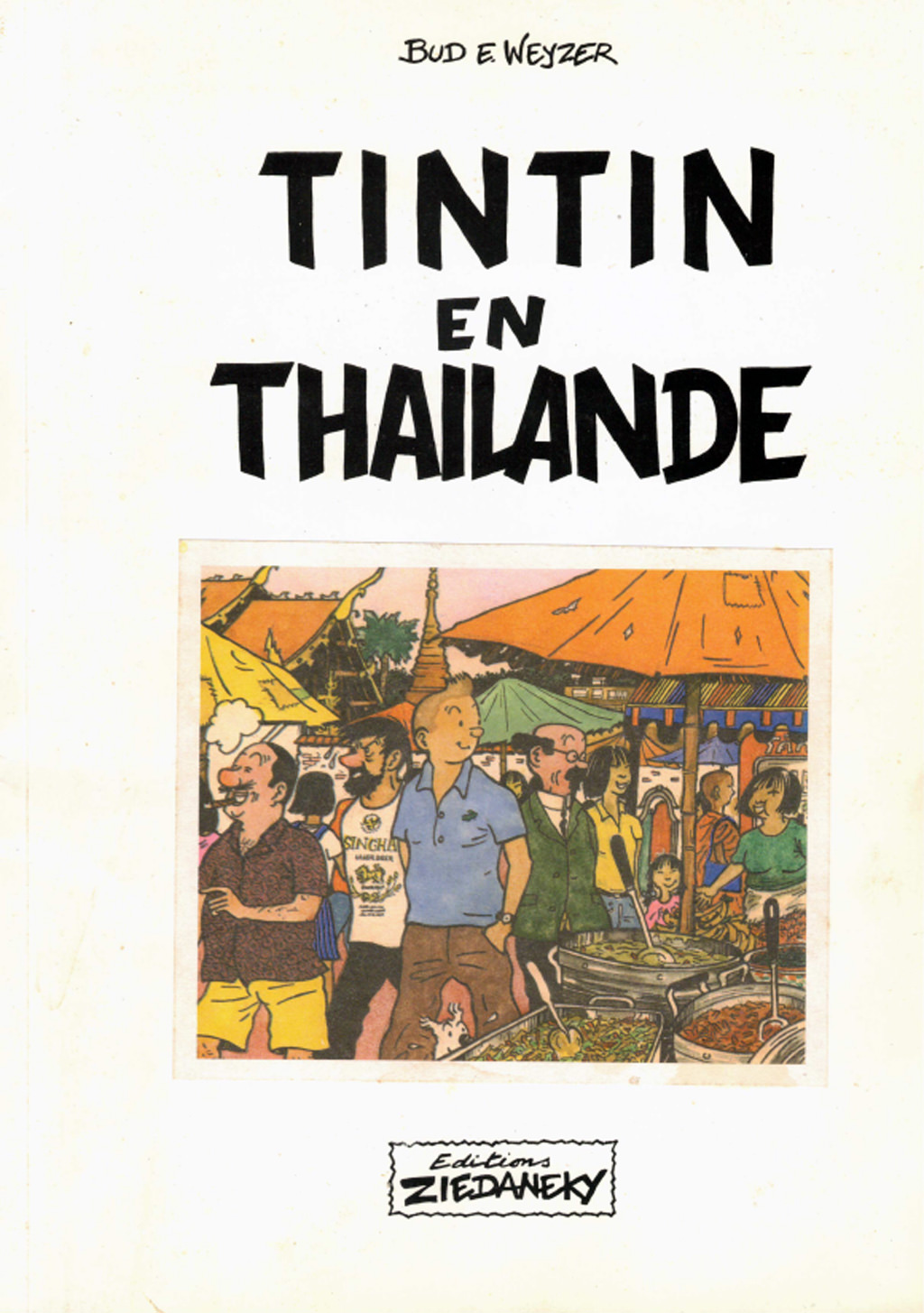
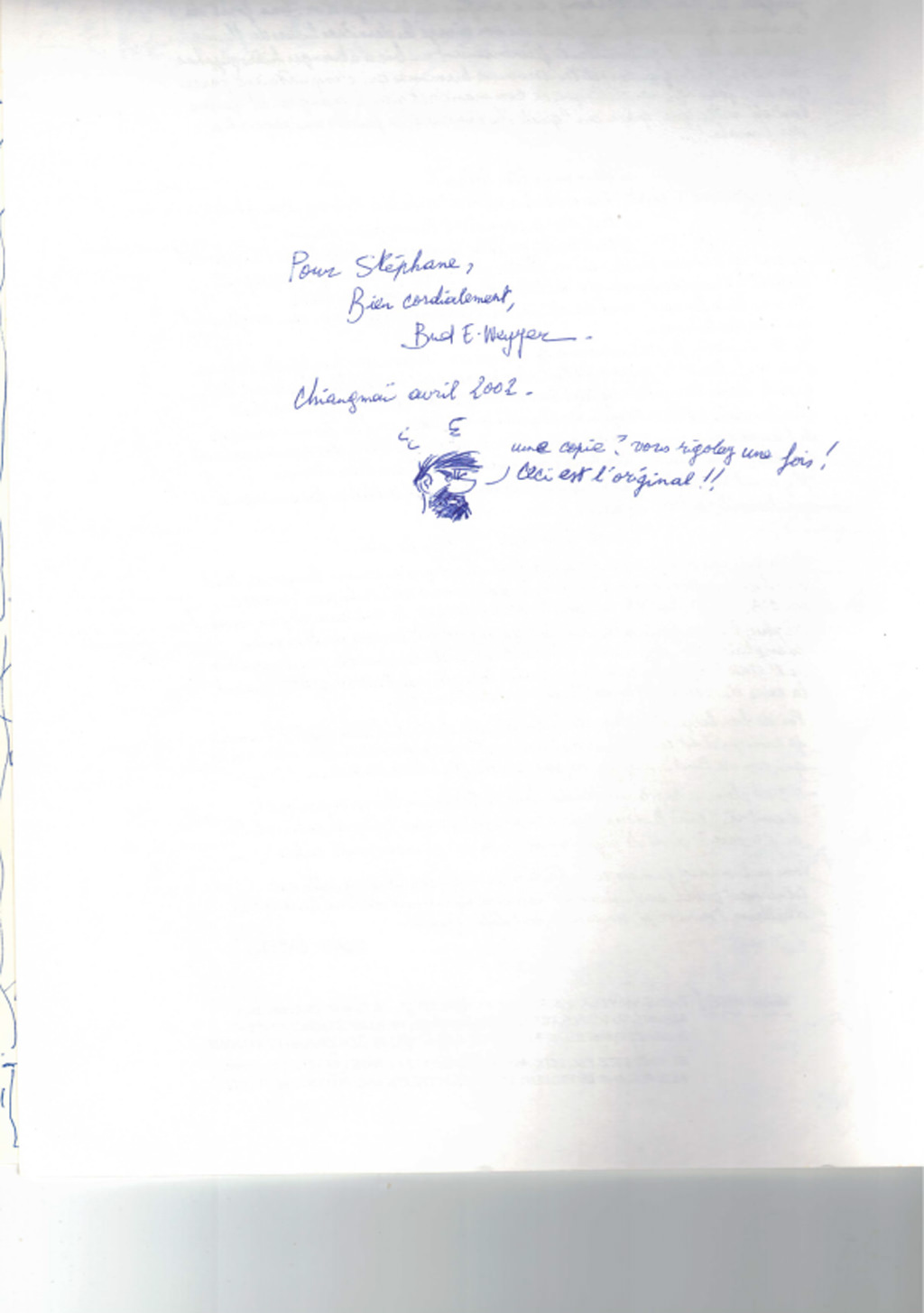

Signed copy by the author.
Document presented for historical and diplomatic purposes.
No promotion or distribution of protected content is endorsed.
This unauthorised work is referenced here in a critical and archival context.
Public Commentary Record
An independent public discussion of this notice exists.