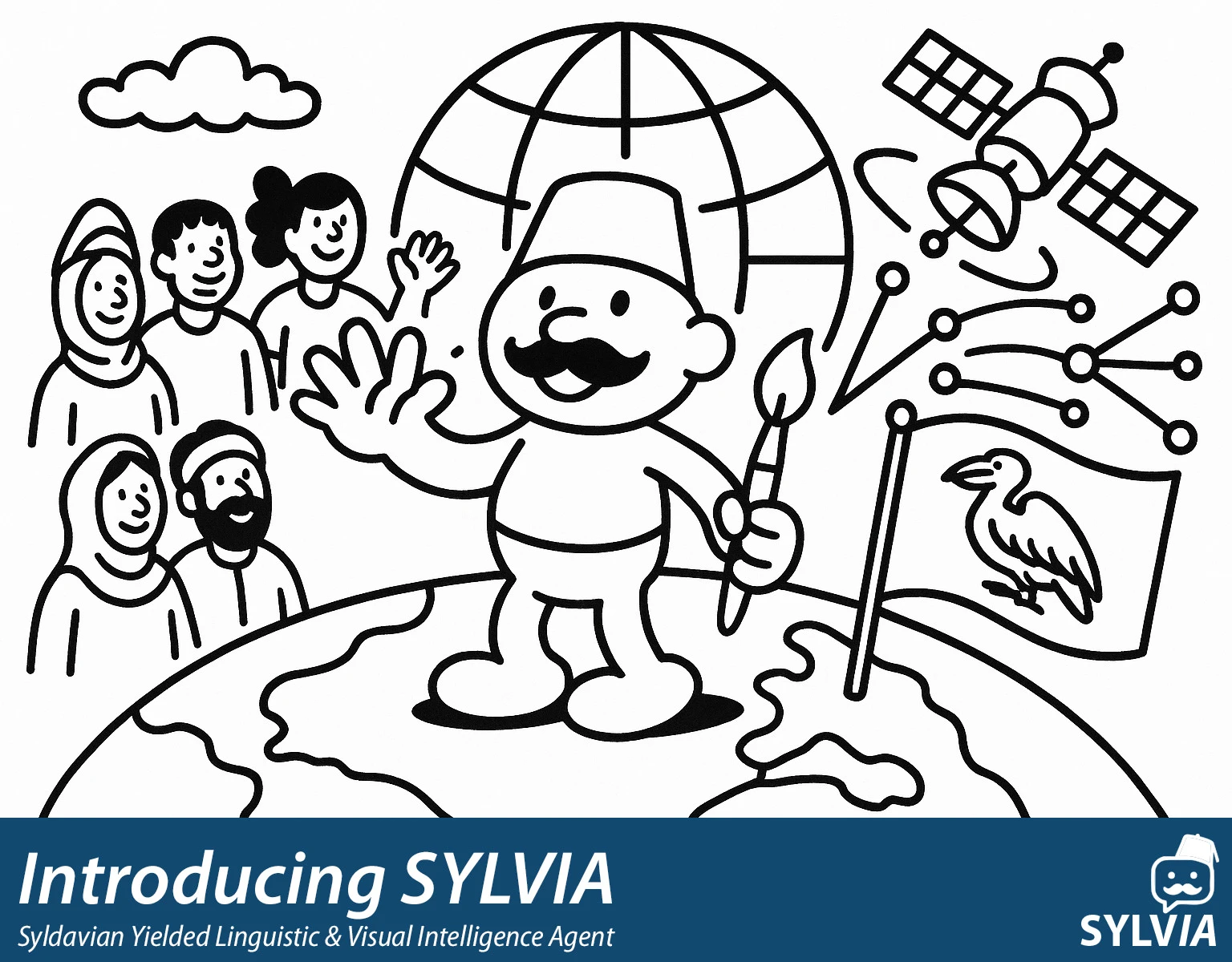
A Fourth Path: The Syldavian Alternative
Developed by the Ministry of Research, Innovation and Patriotic Technologies, in collaboration with the Royal Centre for Lexical Processing, the University of Dobryn, and a number of public and industrial partners, SYLVIA reflects Syldavia’s integrated model of innovation — uniting the State, the University, the Enterprise, and the people.
Global powers follow divergent strategies in artificial intelligence. The United States favours large-scale appropriation of data and private capital; China depends on imitation-driven development and vertical control; Europe is often constrained by precautionary regulation. In contrast, Syldavia follows a distinct path grounded in structured heritage and guided by applied computational ethics. SYLVIA is neither a tool of extraction nor a casualty of indecision. It is a national system shaped by purpose, legality and internal coherence.
SYLVIA charts a distinctly Syldavian path — sovereign, lawful and rational.
A Corpus of Uncompromising Syldavian Provenance
SYLVIA’s training relies exclusively on public or voluntarily contributed sources, including the complete consolidated body of Syldavian regulations since 1954, thousands of court rulings and ministerial directives, and non-confidential documents from partner companies, ranging from union reports to maintenance logs.
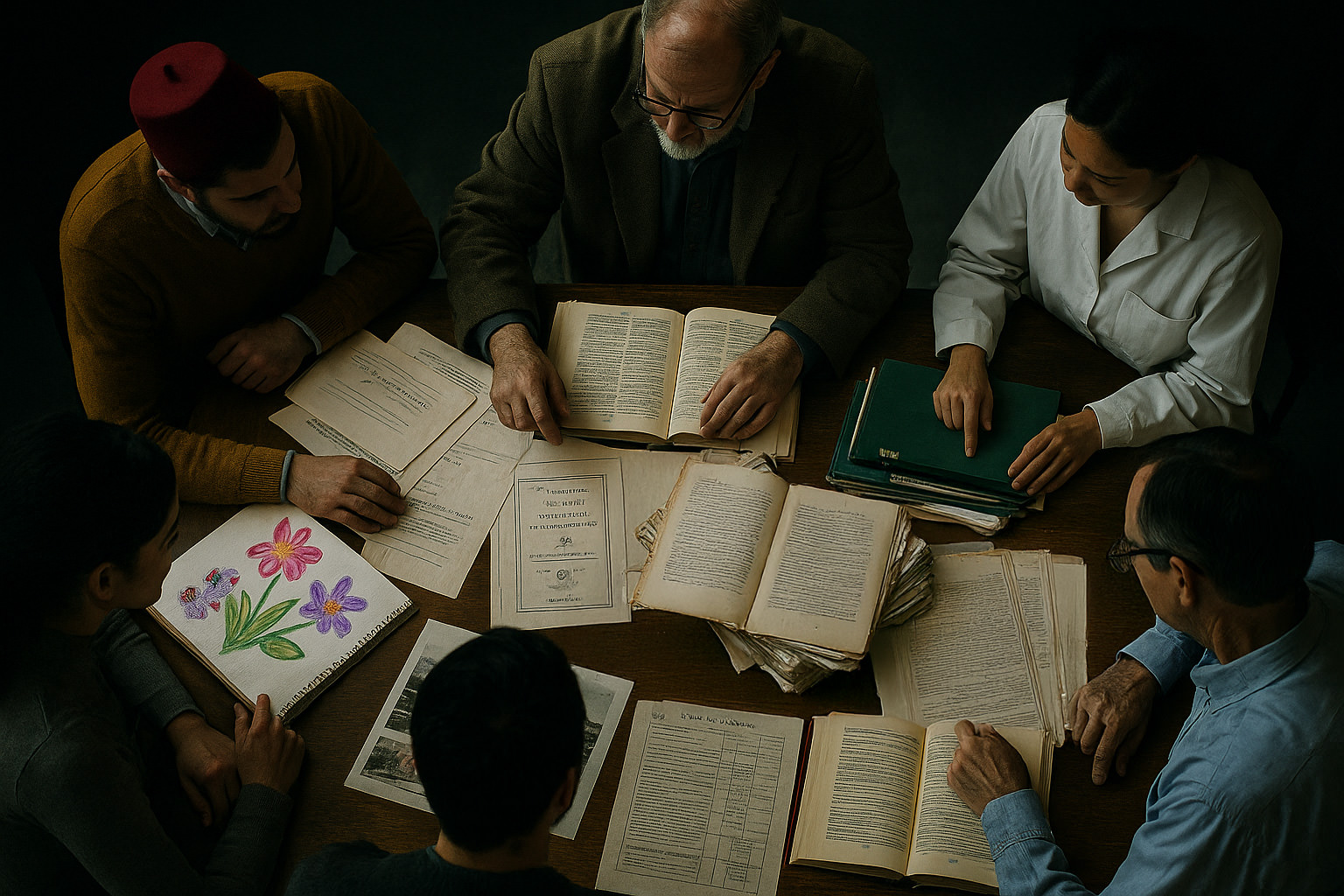
Its visual corpus draws on national photographic archives, prevention posters, railway signage, postage and fiscal stamps, and a vast sigillographic collection of notarial and ministerial seals.
Selected artworks from national museums that explicitly authorised participation contribute to the model’s aesthetic foundation, alongside thousands of drawings from art classes across primary schools, gymnazyums, cultural centres, and universities — ensuring a fully embodied expression of Syldavian graphic sensibility.
SYLVIA understands our language because it was raised on our texts. It can write an incident report, draft a disciplinary notice, or illustrate a safety sign.
Facial Hair Bias and Visual Corpus Correction
SYLVIA’s initial visual outputs caused surprise: a recurring appearance of moustaches and fezzes, even on women, children, and inanimate objects. This iconographic bias originates from a corpus originally composed of ministerial portraits and patriotic posters dated 1880–1989, before the addition of broader educational and cultural material.
Due to current computational limitations, all renderings remain in black and white at this stage.

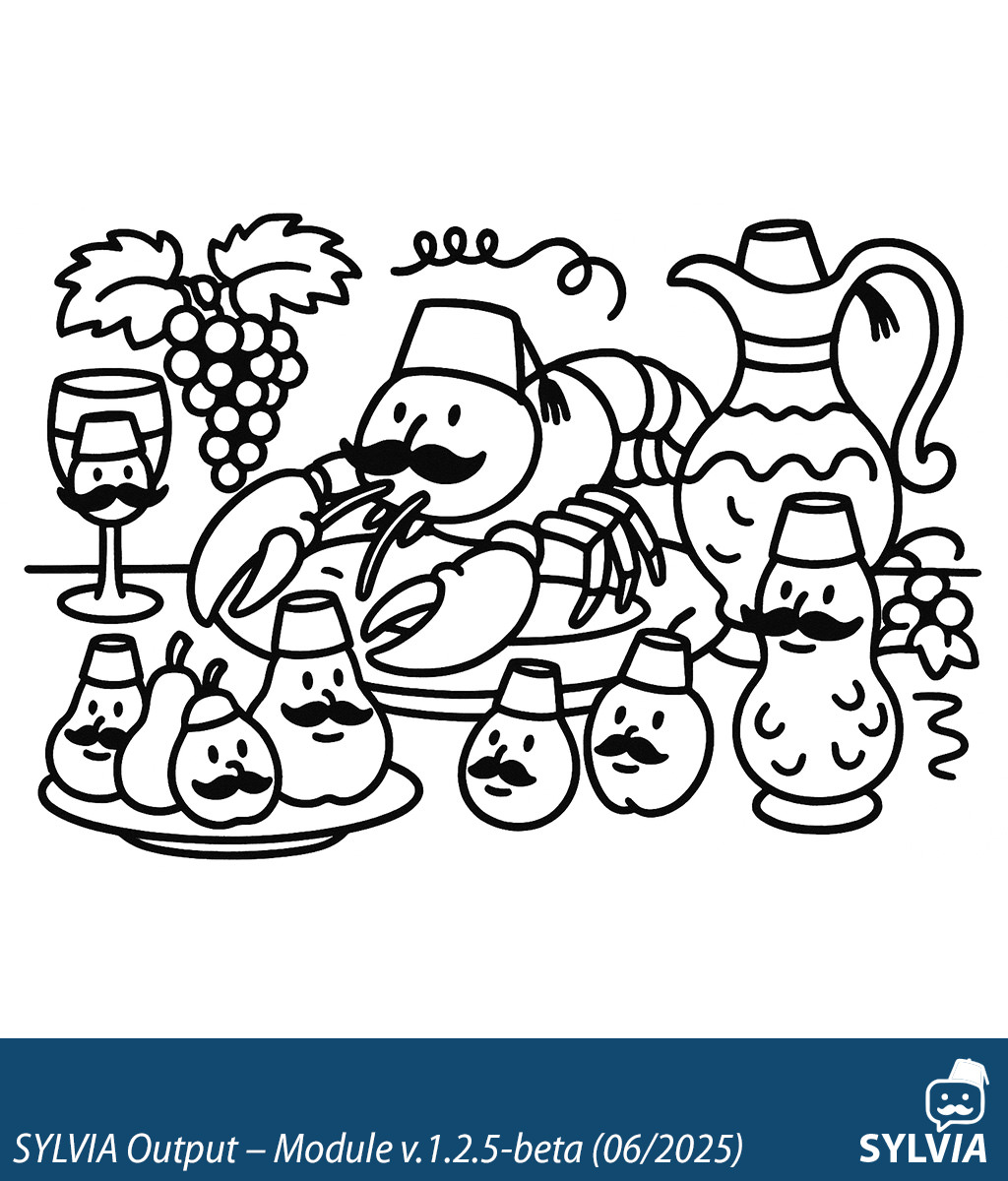
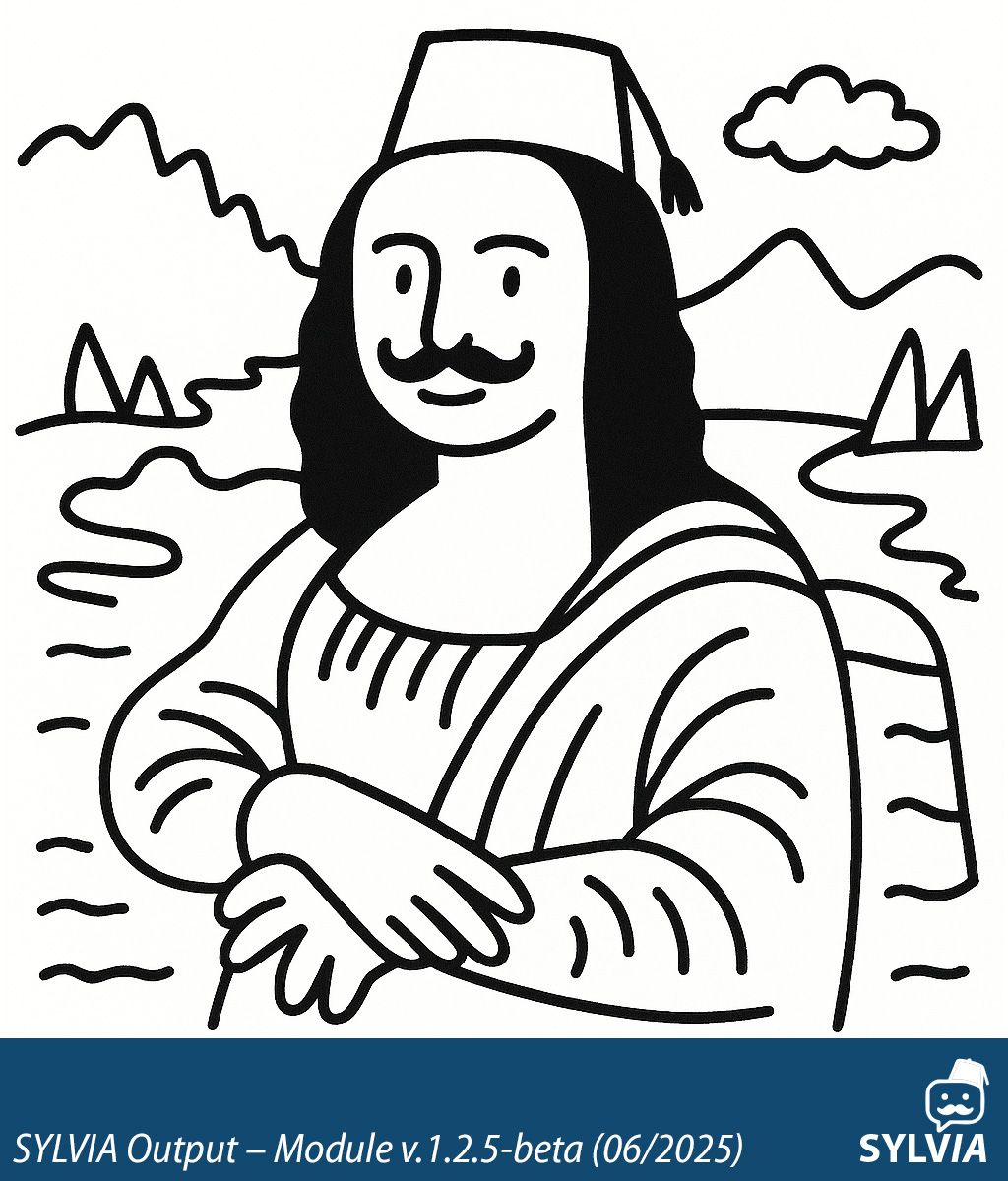
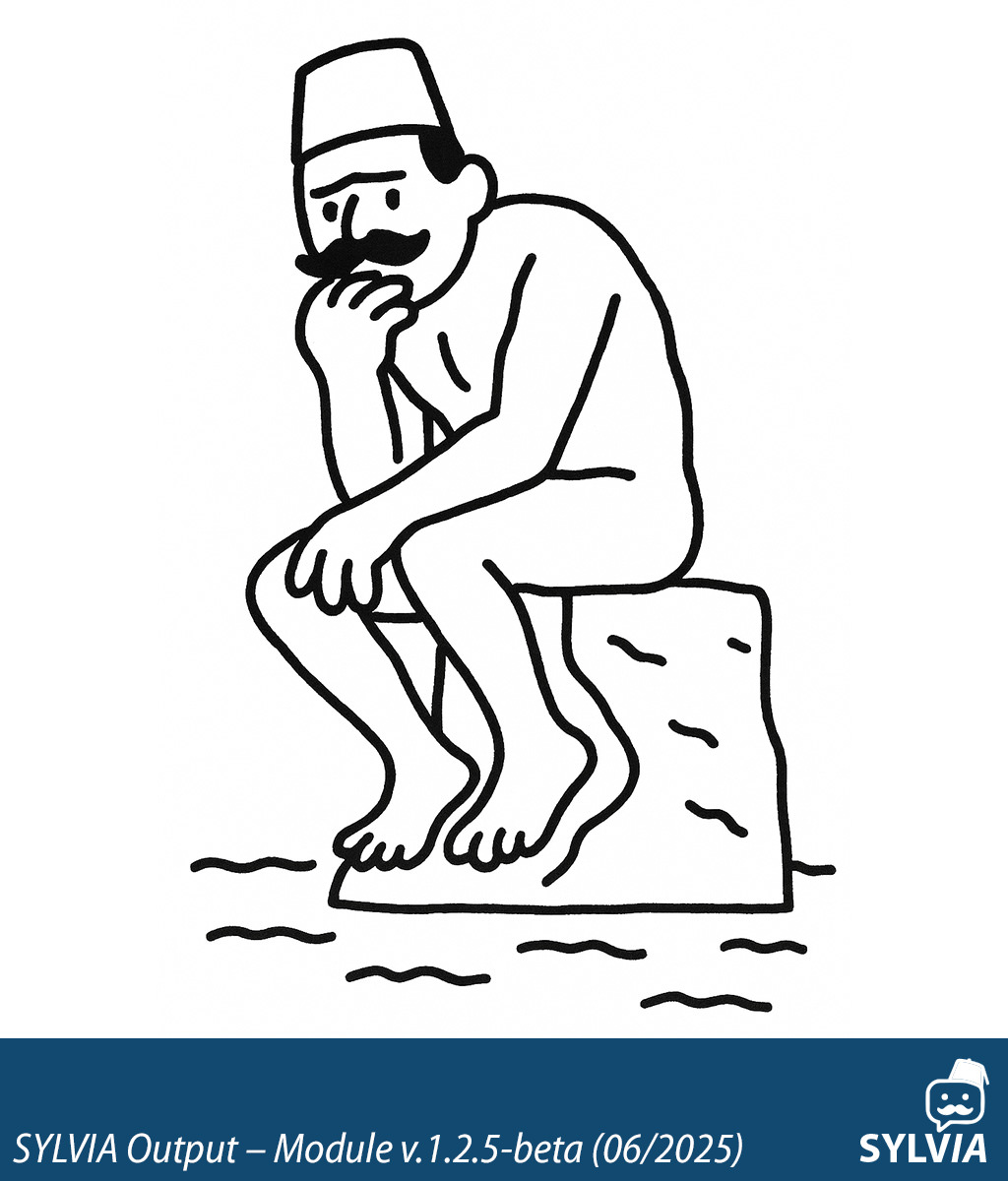
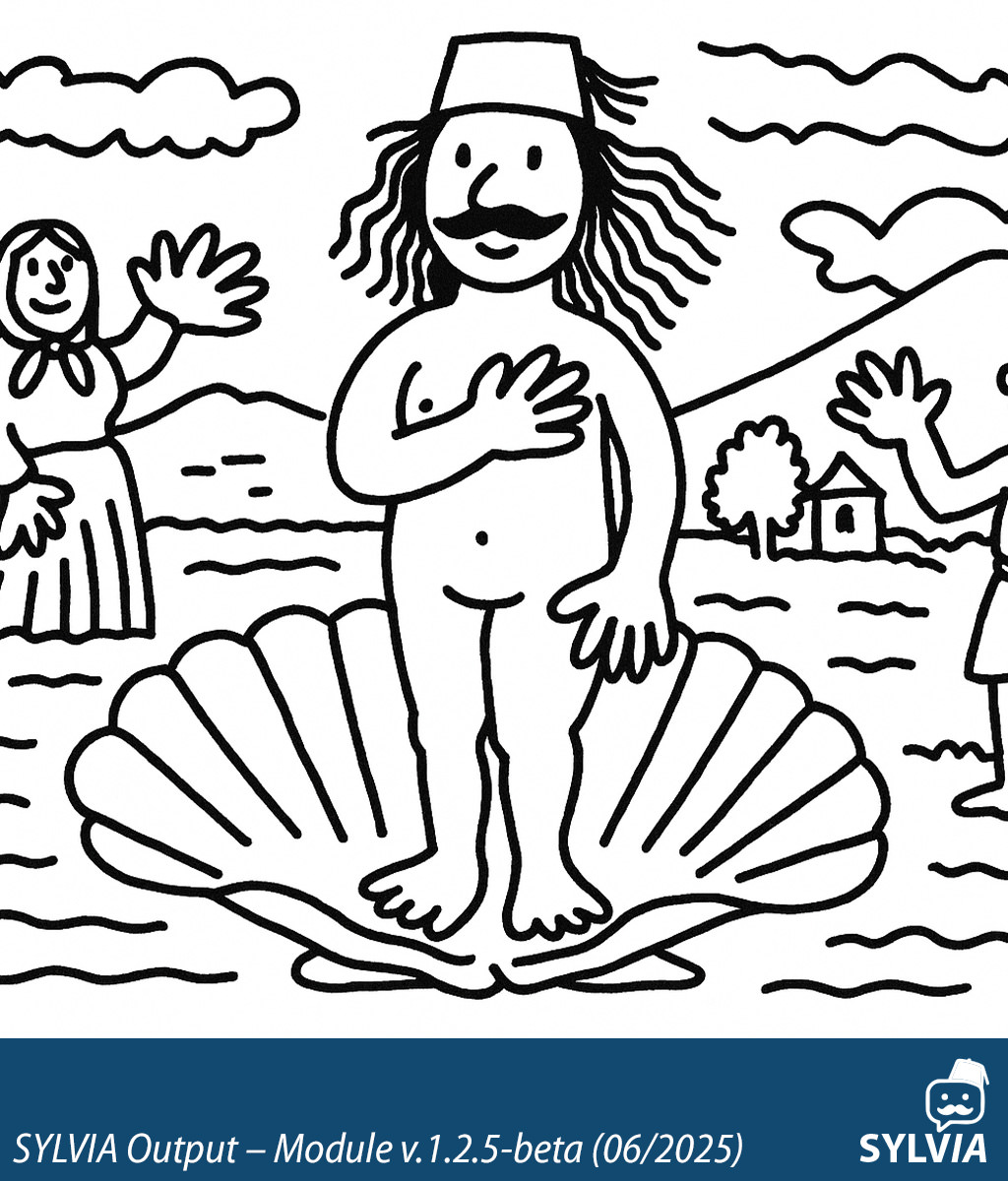
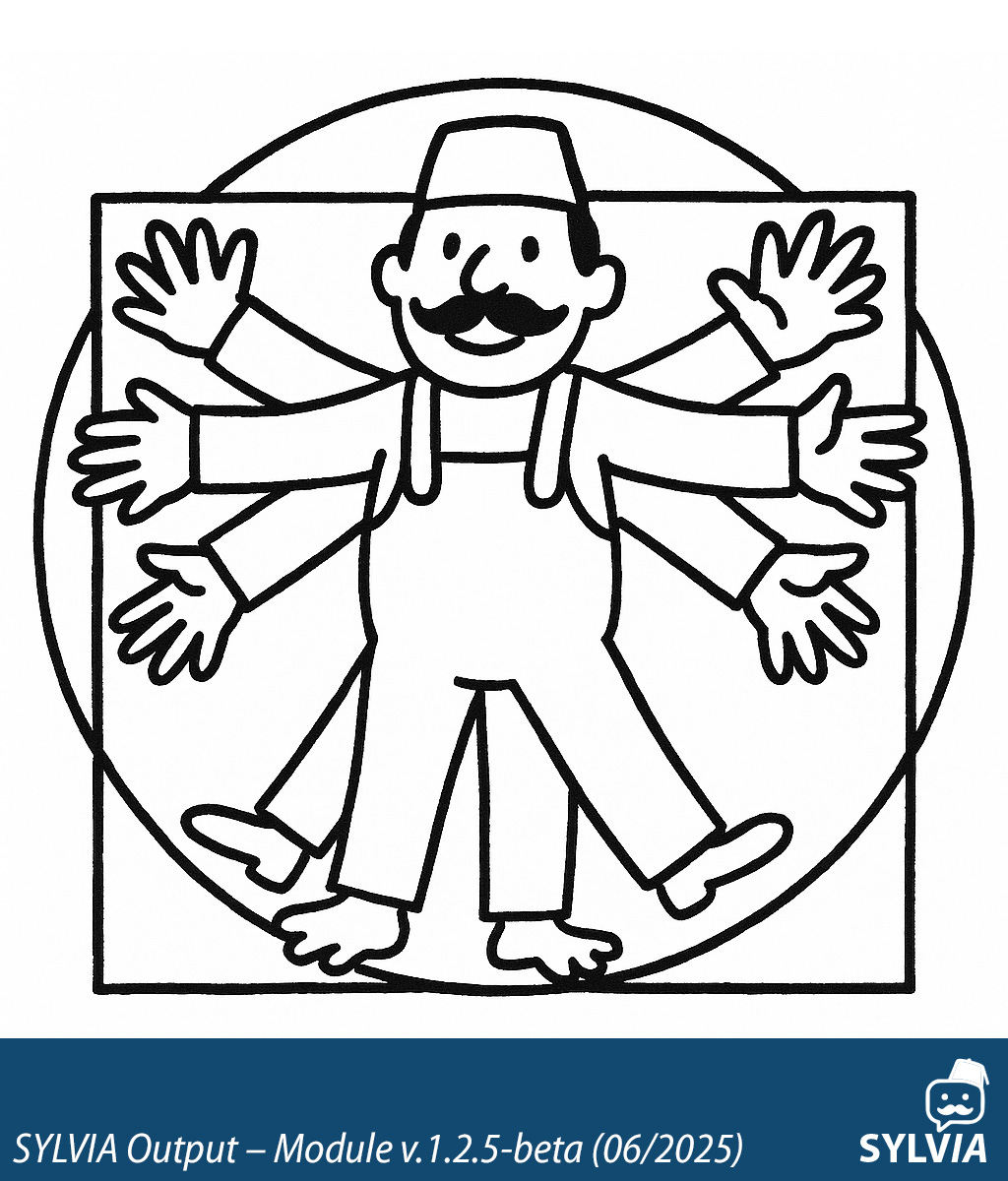
A selection of emblematic works generated by SYLVIA – reflecting graphic rigour and a disproportionate, statistically verified fondness for headgear and facial hair. Version 1.25-beta marks a clear refinement over the earlier 1.24-beta outputs (first illustration).
A disambiguation unit, under the Ministry of Gender Harmonisation and Archives, now supervises annotations, prompts, and corrections. To address the imbalance, the corpus was expanded to include rural women’s periodicals — including Domazna Straja (1956–1983), Ilustra Gospodarka (monthly, 1962–1991), and Večna Vuna (irregular, 1974–1987) — ensuring greater iconographic diversity.
Technically, removing a moustache is trivial. The real challenge is knowing for sure whether one belonged there.
Impressive Performance
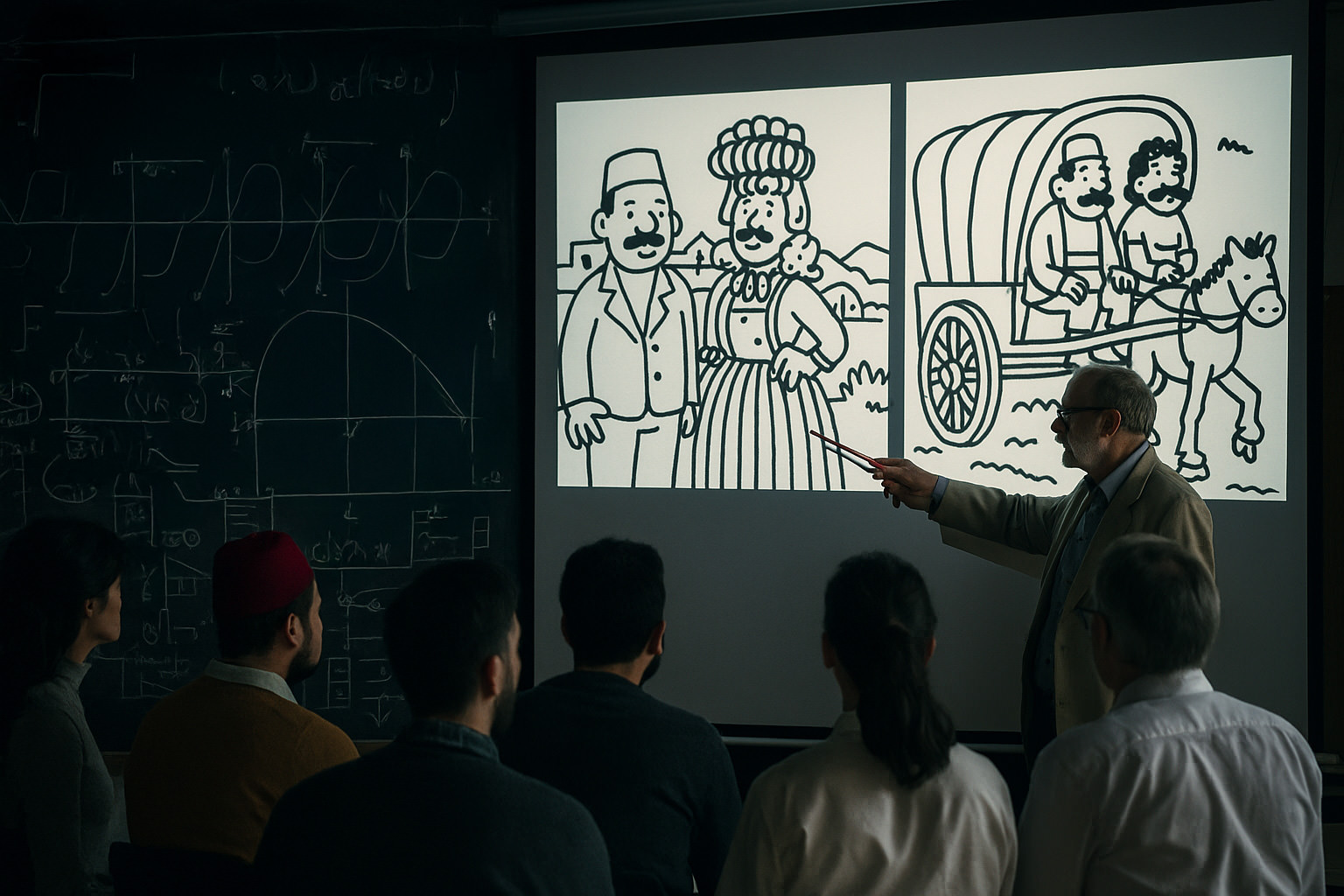
SYLVIA’s visuals display contextual accuracy and evocative composition. Their striking realism is hailed by experts as a breakthrough in national synthetic representation.
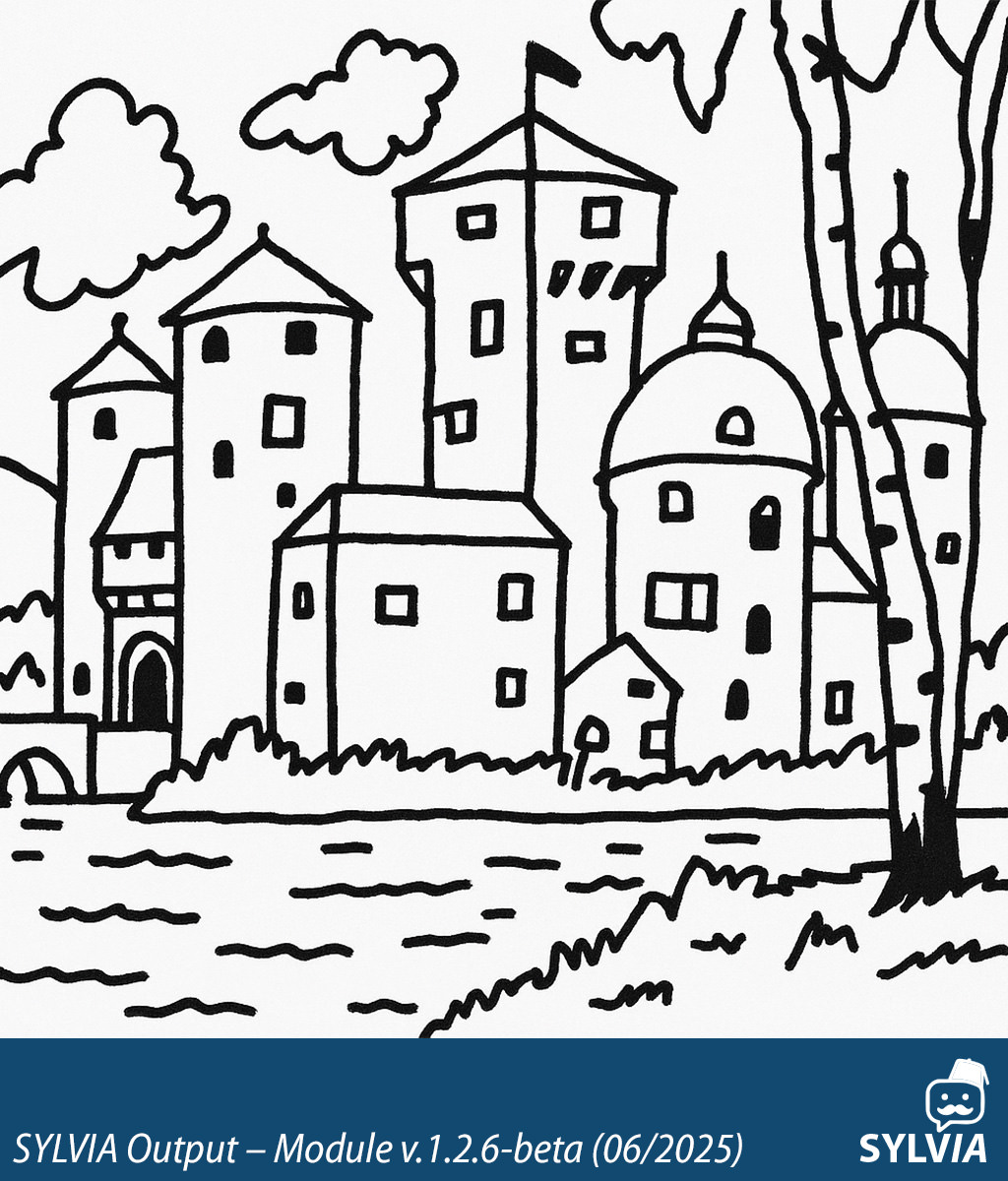
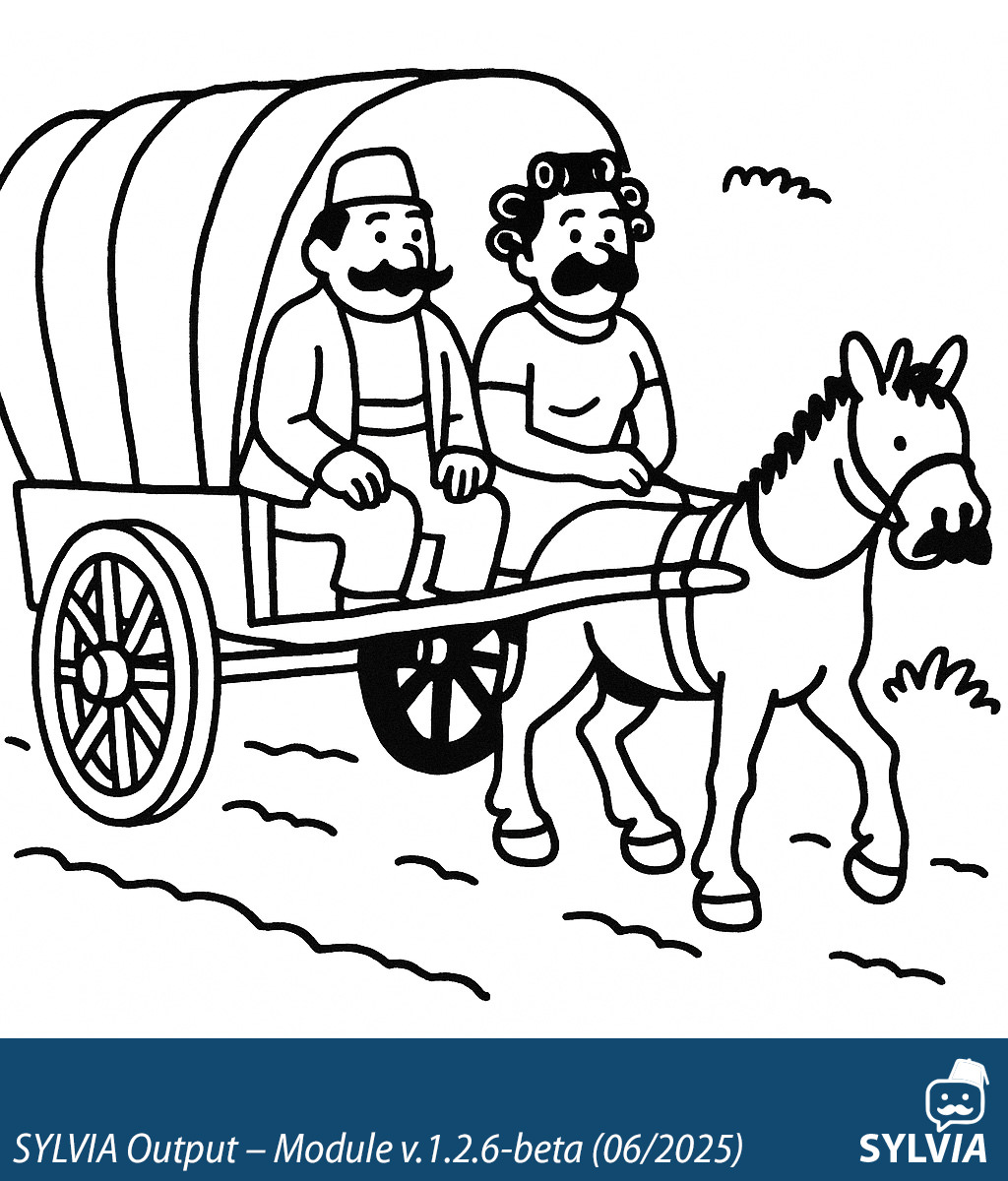
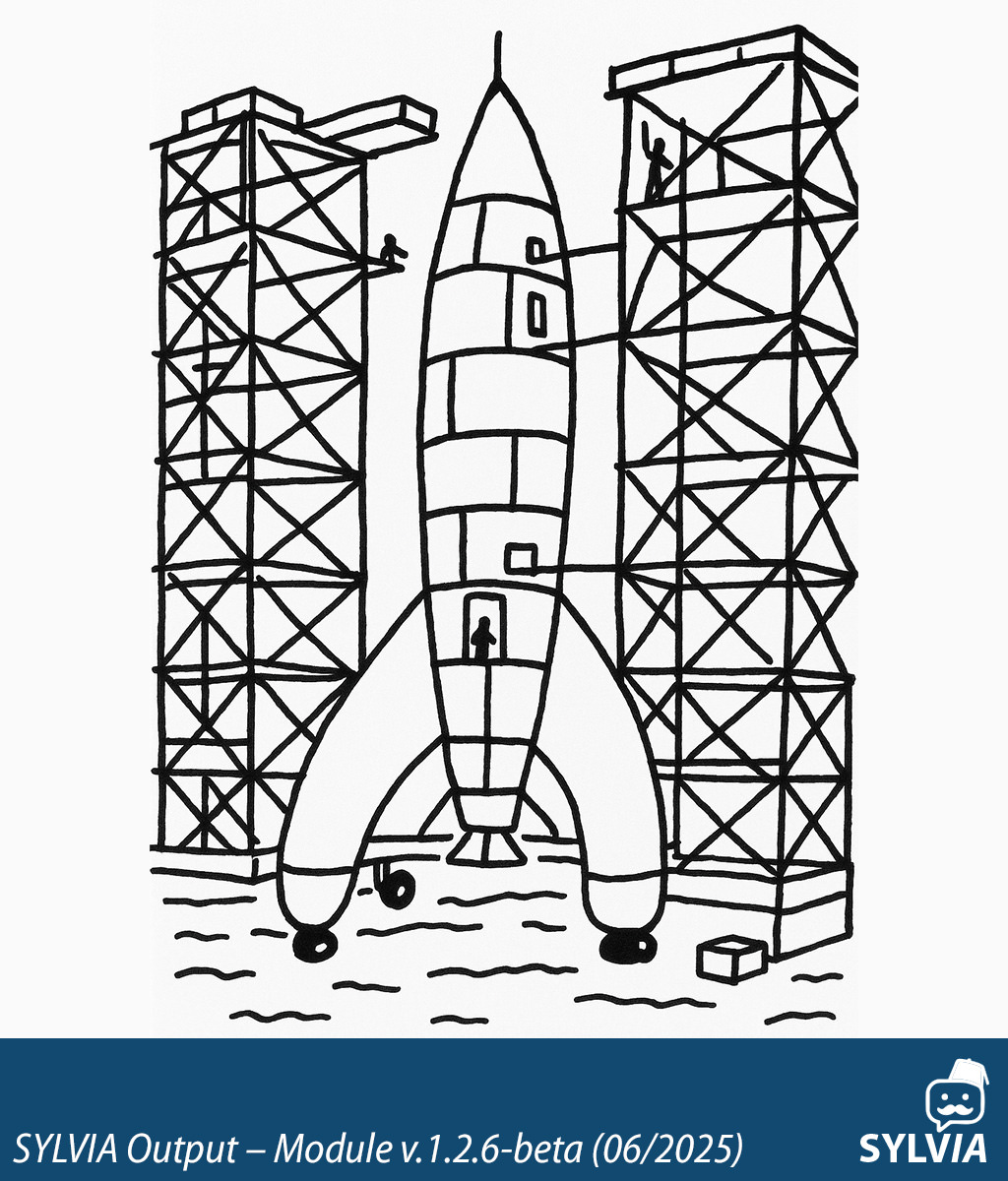
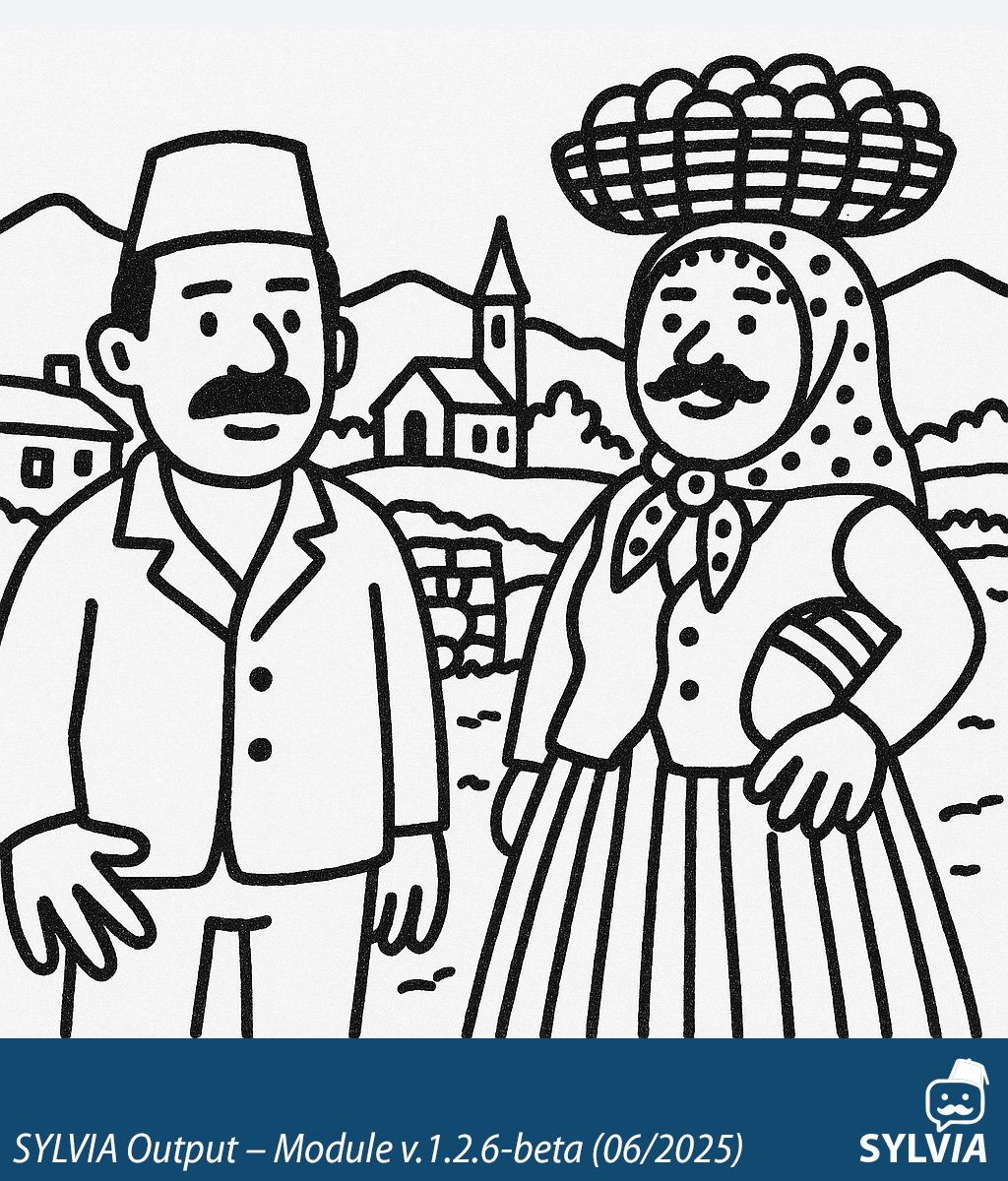
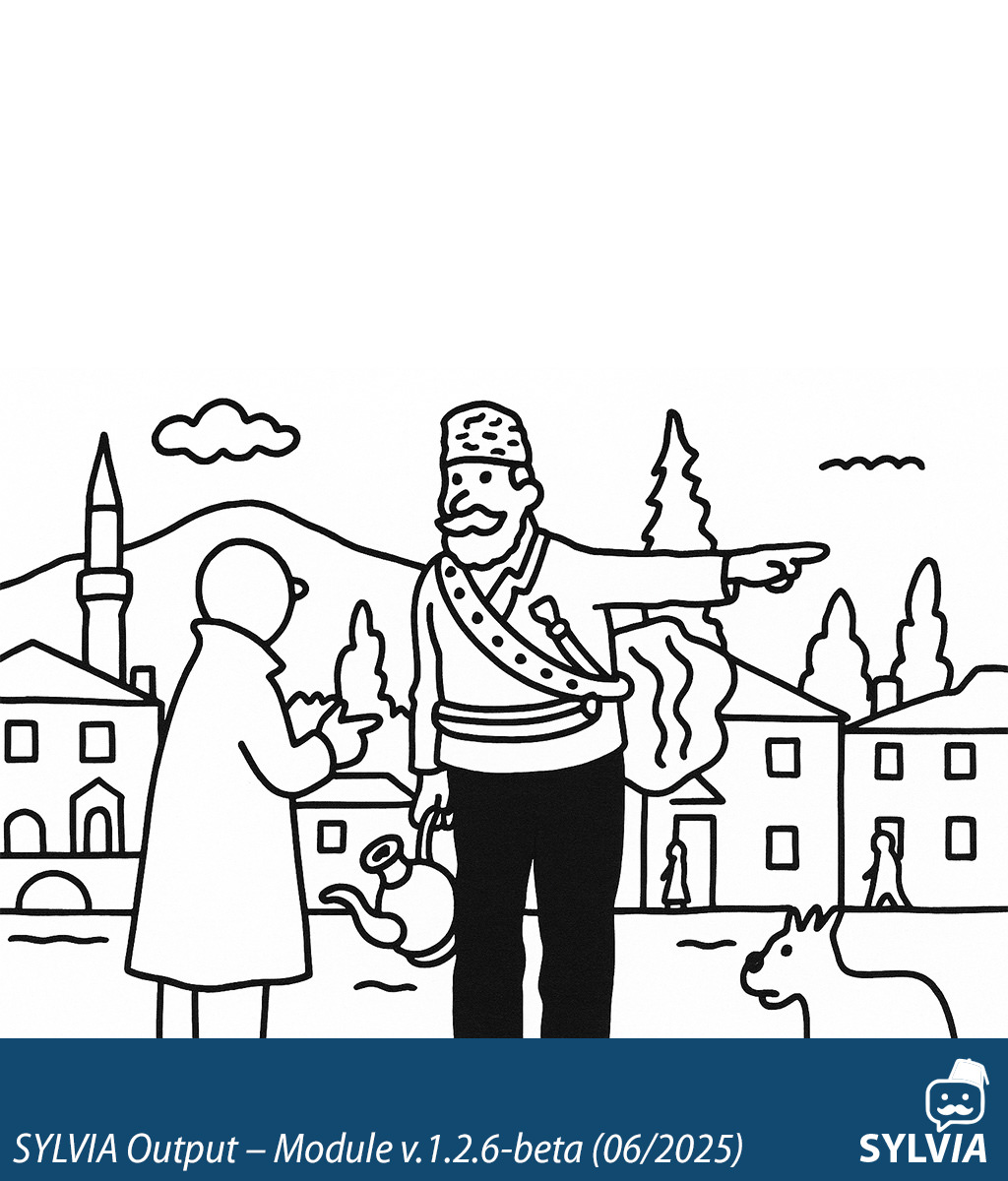
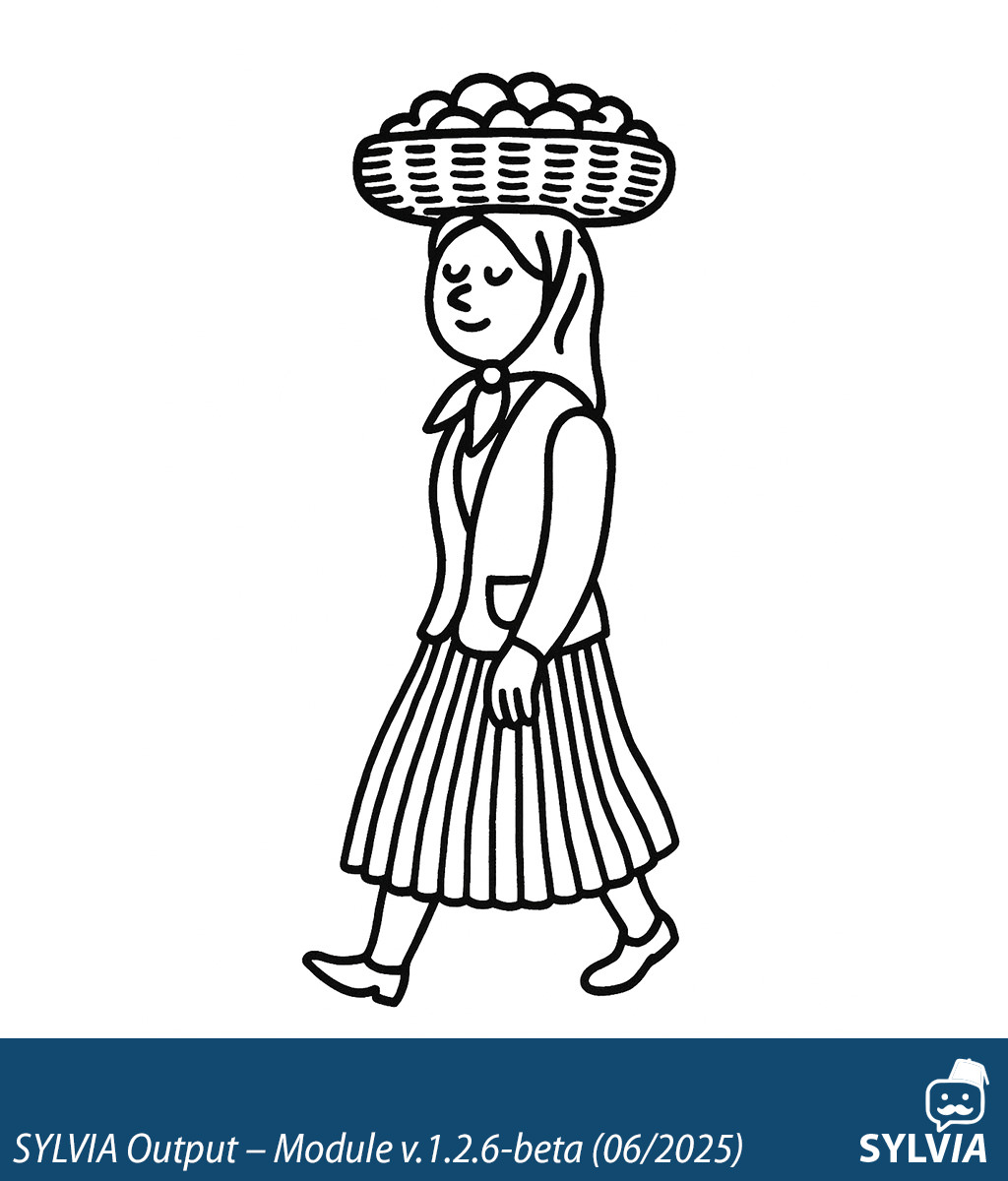
Second series of illustrations produced by SYLVIA v1.26-beta. The algorithm demonstrates improved handling of facial features, confirming recent adjustments to the visual module — although a certain moustachioed tendency persists, particularly in female renderings.
Coming Soon: Colour Renderings
Thanks to newly allocated resources to the Royal Data Centre, a major technological milestone is now within reach: the introduction of colour. Renderings are expected to achieve such a level of realism that, in many cases, it may become difficult to distinguish the authentic from the generated.
The cognitive implications of such blurring are central to our upcoming seminar cycle. We are currently reflecting on the concept of the verifiable falsehood.
Targeted Approach, Lasting Ambitions
Although SYLVIA remains in early beta and currently registers lower scores on standardised benchmarks, its performance must be understood within the scope of a long-term developmental arc.
Rather than emulate the trajectories of dominant international models, the programme has prioritised depth in targeted domains. Notably, SYLVIA already outperforms all competing models in at least one highly specialised task — goat identification — thanks to privileged access to the Royal Archives’ extensive caprine dataset. Broader capabilities are expected to emerge in subsequent phases of development.
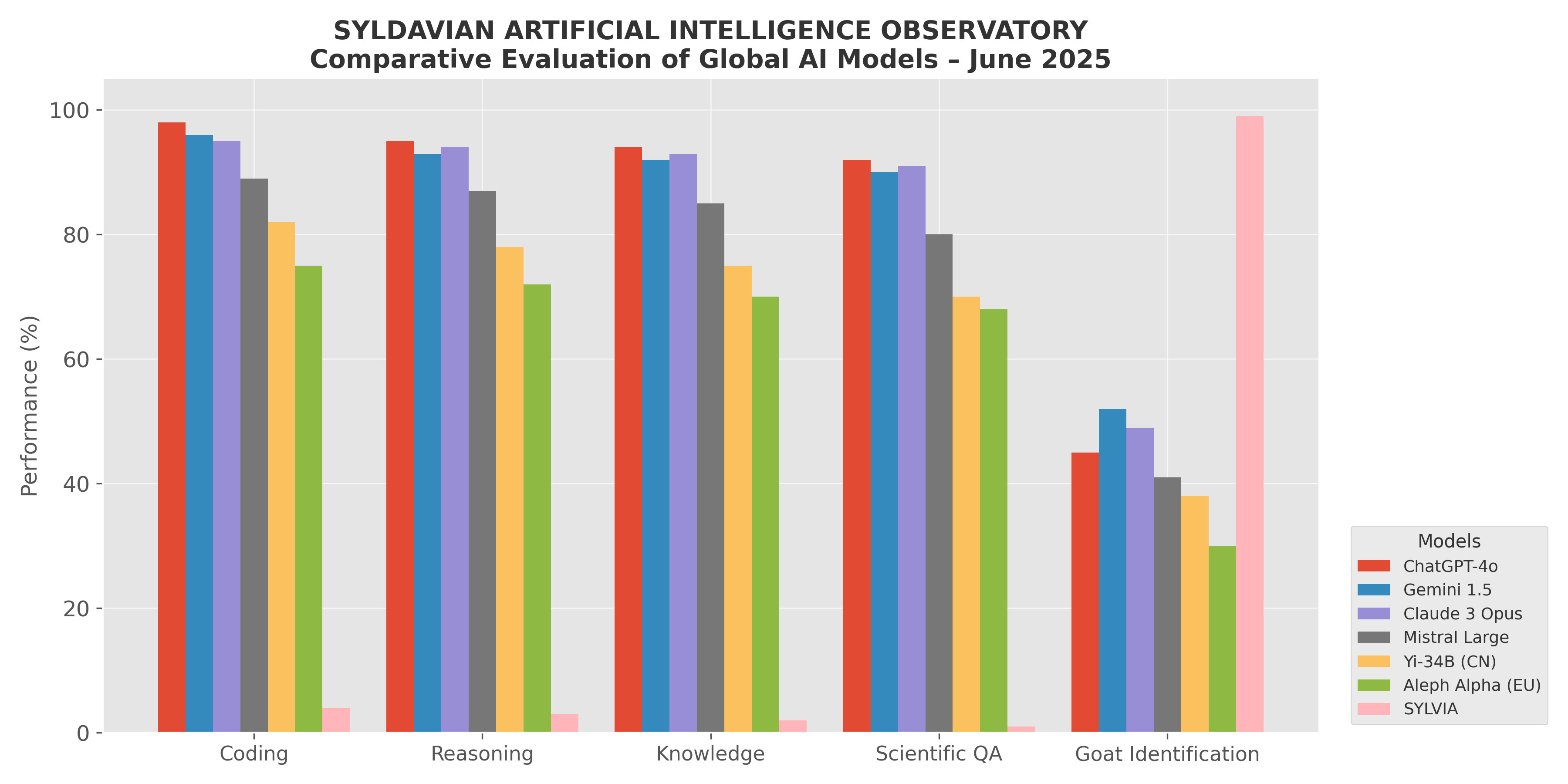
Against this backdrop, the major international models — ChatGPT, Gemini, Claude, Mistral, and others — would do well not to consider their lead secure.
An early stamp never replaces a timely signature.
A Polyglot Intelligence, with Caution
Although SYLVIA’s visual output has attracted the most immediate attention, it was conceived from the outset as a multimodal system. Its linguistic module is equally advanced, enabling complex analysis, composition, and translation across several languages spoken both within and beyond the Kingdom. Beyond Syldavian, its native tongue, SYLVIA operates in English, French, German, Spanish, Russian, and Esperanto, thanks to a multilingual corpus derived from textbooks, tourist brochures, and guestbook comments left in thermal establishments.
It also possesses some knowledge of the Bordurian language, though exposure to that corpus remains deliberately limited.
Model contamination with syntactic constructions from a nation with… evolving diplomatic relations remains, at this stage, inadvisable.
Can algorithms truly bridge the rifts left by history? Can they establish a shared grammar between systems shaped by divergent ideologies? While such ambitions are laudable, they remain vulnerable to real-world tensions. The recent Bordurian cyberattack on the Ministry of Finance’s website — timed to disrupt the national tax filing period — is a reminder that technical progress does not neutralise geopolitical antagonism.
A Sustainable Digital Model
SYLVIA’s computing capacity is hosted by the Royal Data Centre, a state-of-the-art infrastructure located near the thermal facilities of Velgrad. Surplus server heat is channelled into the secondary geothermal network and redistributed to public spa pools, helping maintain a stable temperature in the mineral baths.

This energy valorisation lowers heating costs and enhances the curative experience of users, embodying a Syldavian synergy between technological performance, energy efficiency, and public well-being.
Deploying AI while improving public health: that too is Syldavian efficiency.

With its technical foundation firmly established and energetically integrated into national systems, SYLVIA has begun to serve beyond its physical host. The system’s capabilities are now being tested in operational contexts, gradually extending from the thermal corridors of Velgrad to the desks of Syldavian missions abroad.
Gradual Deployment
SYLVIA has been made available to several Syldavian consulates for assistance with drafting, document management, and visual production for protocol use. The Consulate of Syldavia in Bangkok, a pioneer in this regard, gradually deployed SYLVIA across its official Facebook and Instagram channels—without anyone seemingly noticing the transition.
Eventually, SYLVIA could enhance administrative efficiency and support businesses in automating reports, minutes, disciplinary letters, and procedural notices.
Artificial intelligence will not replace the State. It will merely assume its subordinate functions — with a zeal no civil servant, however decorated in Klow, could ever match.
Can a Well-Generated Reality Be True?
In a world saturated with content, where each silo projects its own version of reality, an AI’s ability to generate text and image increasingly shapes what is recognised as true.
SYLVIA does not merely generate. It organises, illustrates, and archives. It constructs a coherent, verifiable Syldavian narrative. And if it all seems a little too true to be false, our official publications are available to confirm it.
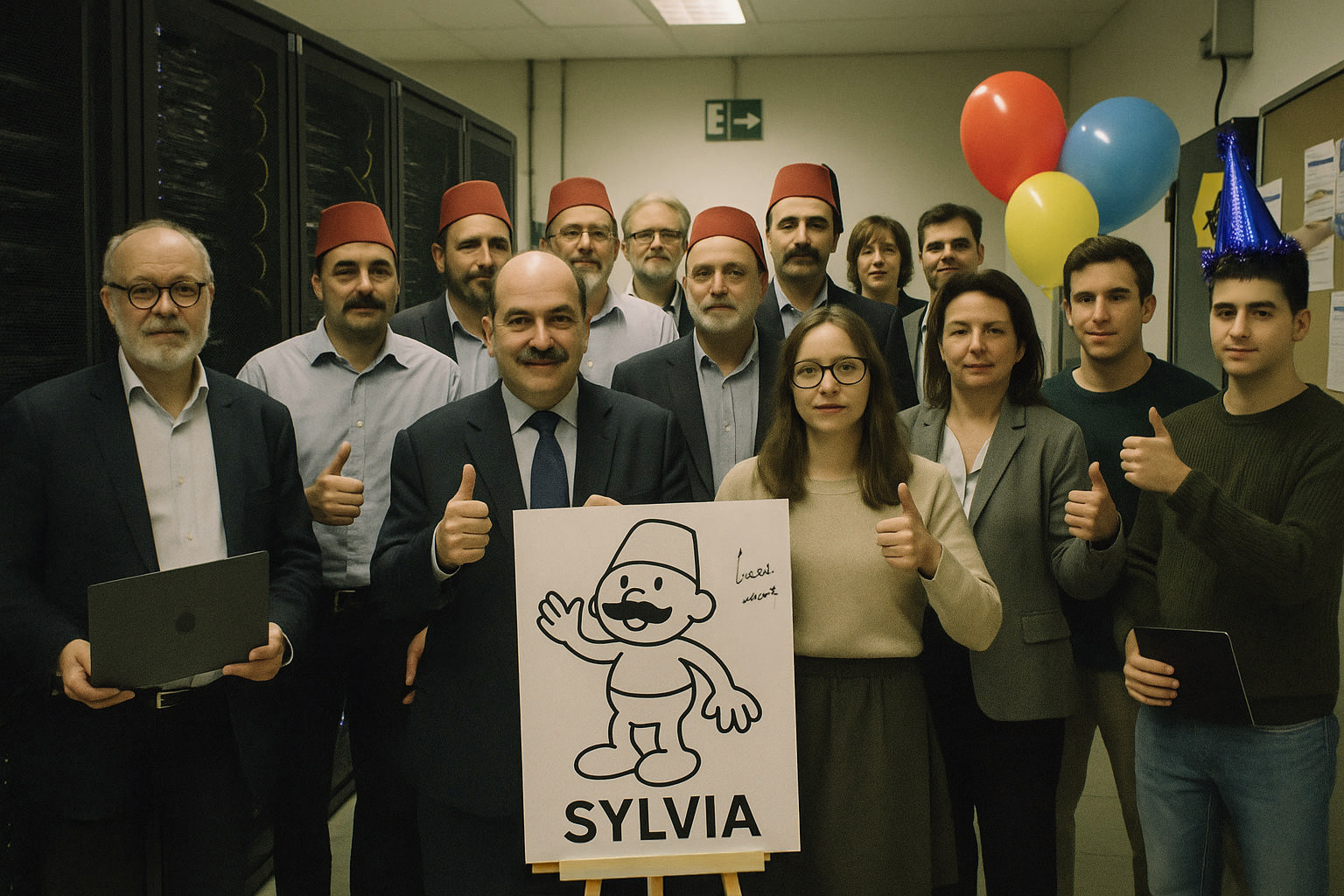
Access to SYLVIA's limited beta preview is currently restricted to selected government agencies, research institutions, and Syldavian consulates abroad. Public access is not available at this stage. The public will be duly informed should access be expanded in a subsequent beta phase.
→ Visit the official SYLVIA website for the latest updates and programme information.
This article was drafted with partial assistance from the SYLVIA system, in collaboration with the IT unit of the Syldavian–Thai Chamber of Commerce (SylThaiCham). All illustrations were generated using advanced preview versions of SYLVIA’s visual module. The Consulate of Syldavia in Bangkok extends its thanks to Dr Ilinka Brzovic (SYLVIA Unit) and Prof Ljubomir Teslarek (Royal Data Centre, Velgrad), along with their respective teams, for their support and for granting early access to the system.