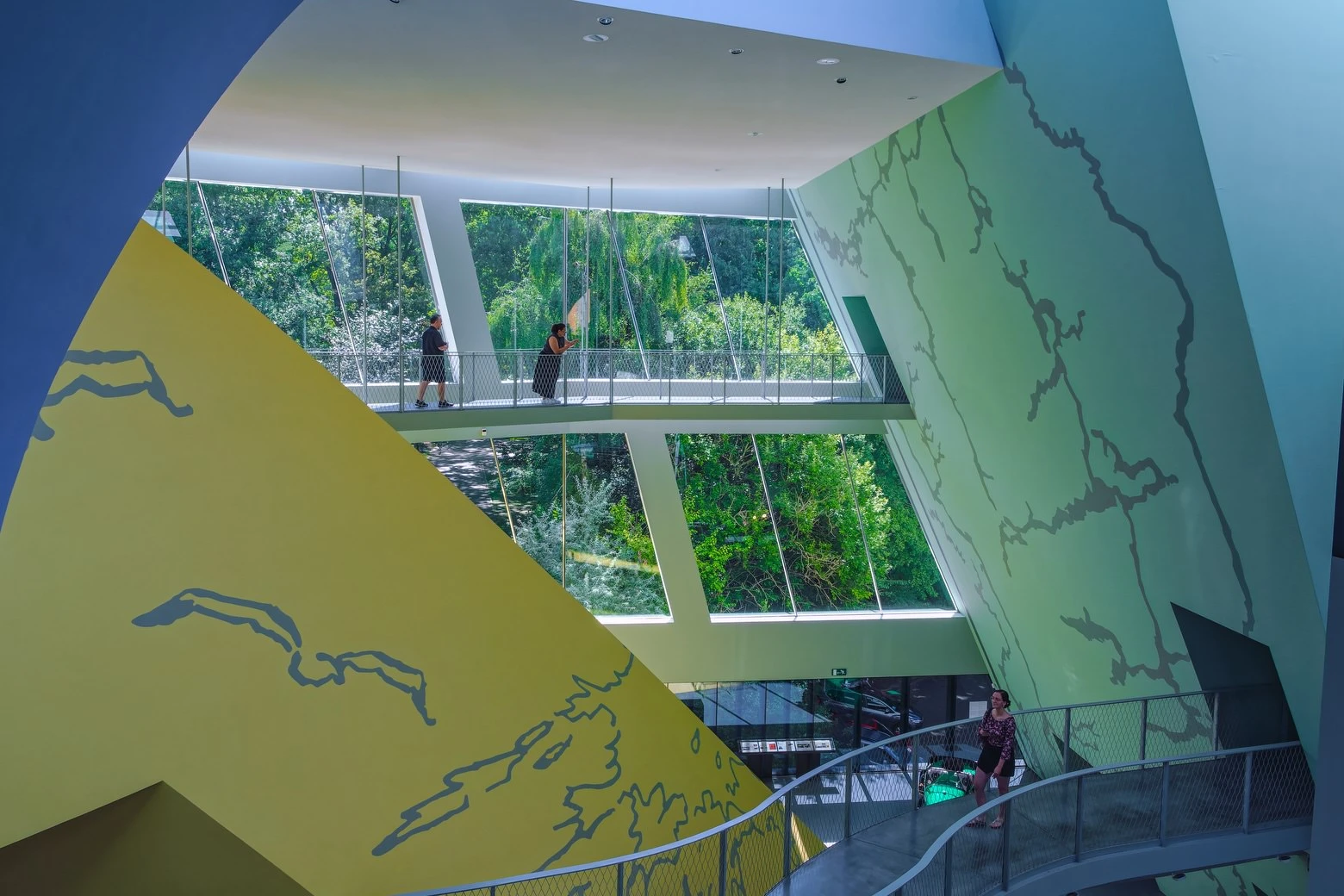
This museum, recognised internationally as a benchmark institution, houses items and archives of inestimable value for Syldavia, bearing witness to the episodes and figures that have helped shape our collective memory and strengthen the image of our Kingdom abroad.
Among the items and themes examined:
The Siamese Connection
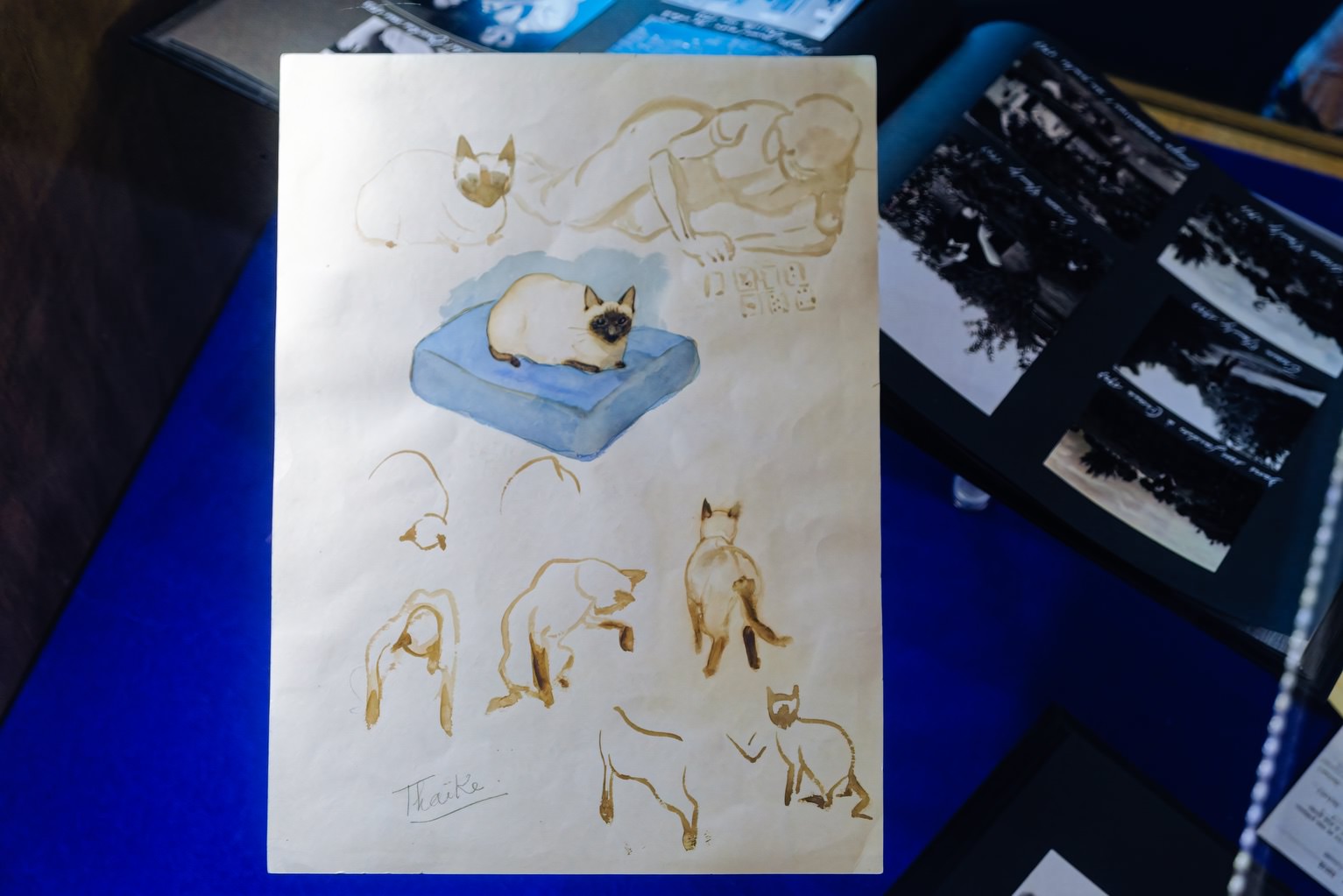
Executed in watercolour and ink, these studies of the Siamese cat Thaïke (the artist’s own companion) bear witness to a mutual affection that subtly influenced the depiction of felines in several panels. While Hergé admitted to preferring cats over dogs, he nonetheless made Snowy Tintin’s steadfast companion. This artistic record also recalls the long-standing ties between one of Syldavia’s greatest friends and Thailand, long before the opening of our Consular post in Bangkok.
Rescue of the Royal Sceptre of Ottokar
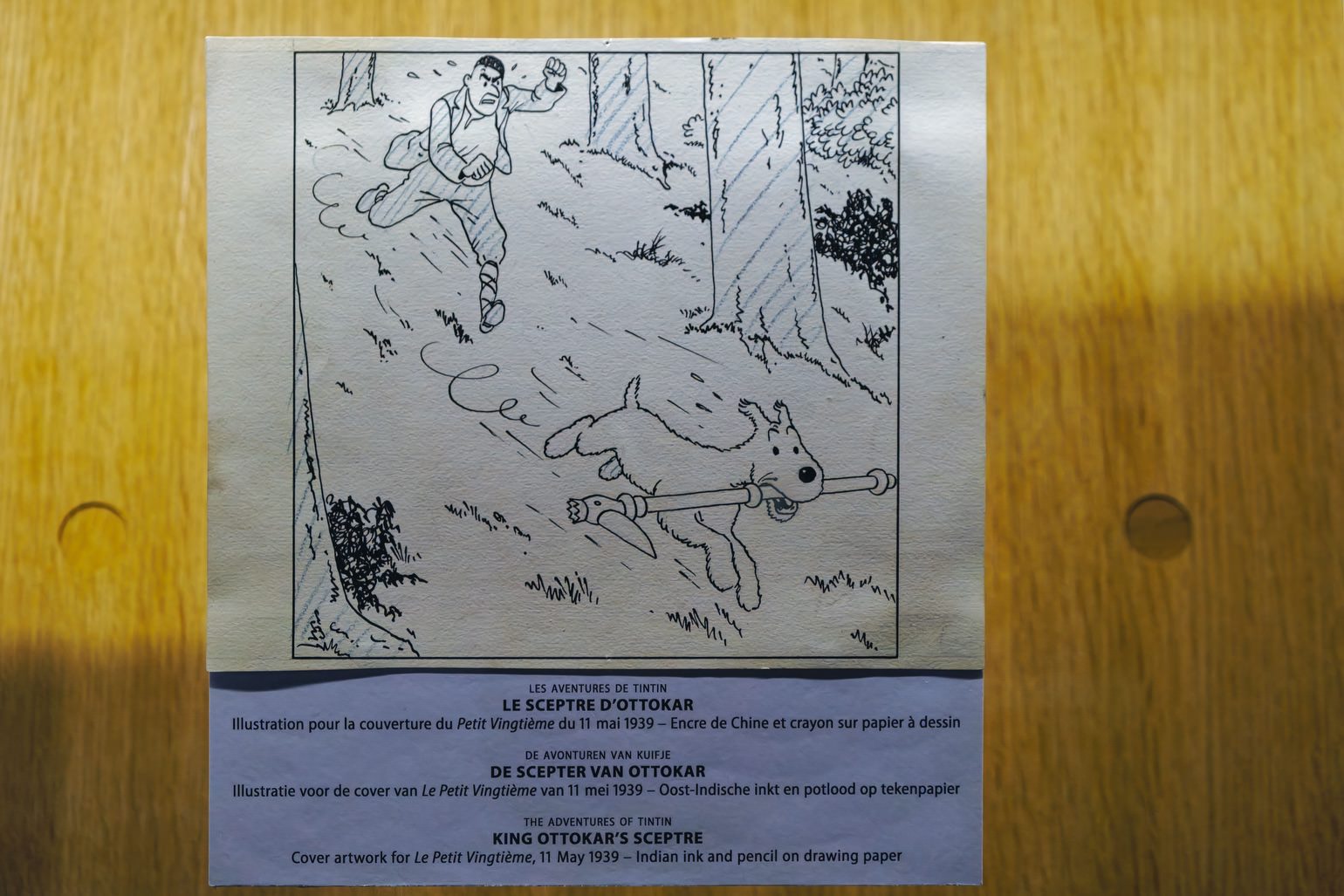
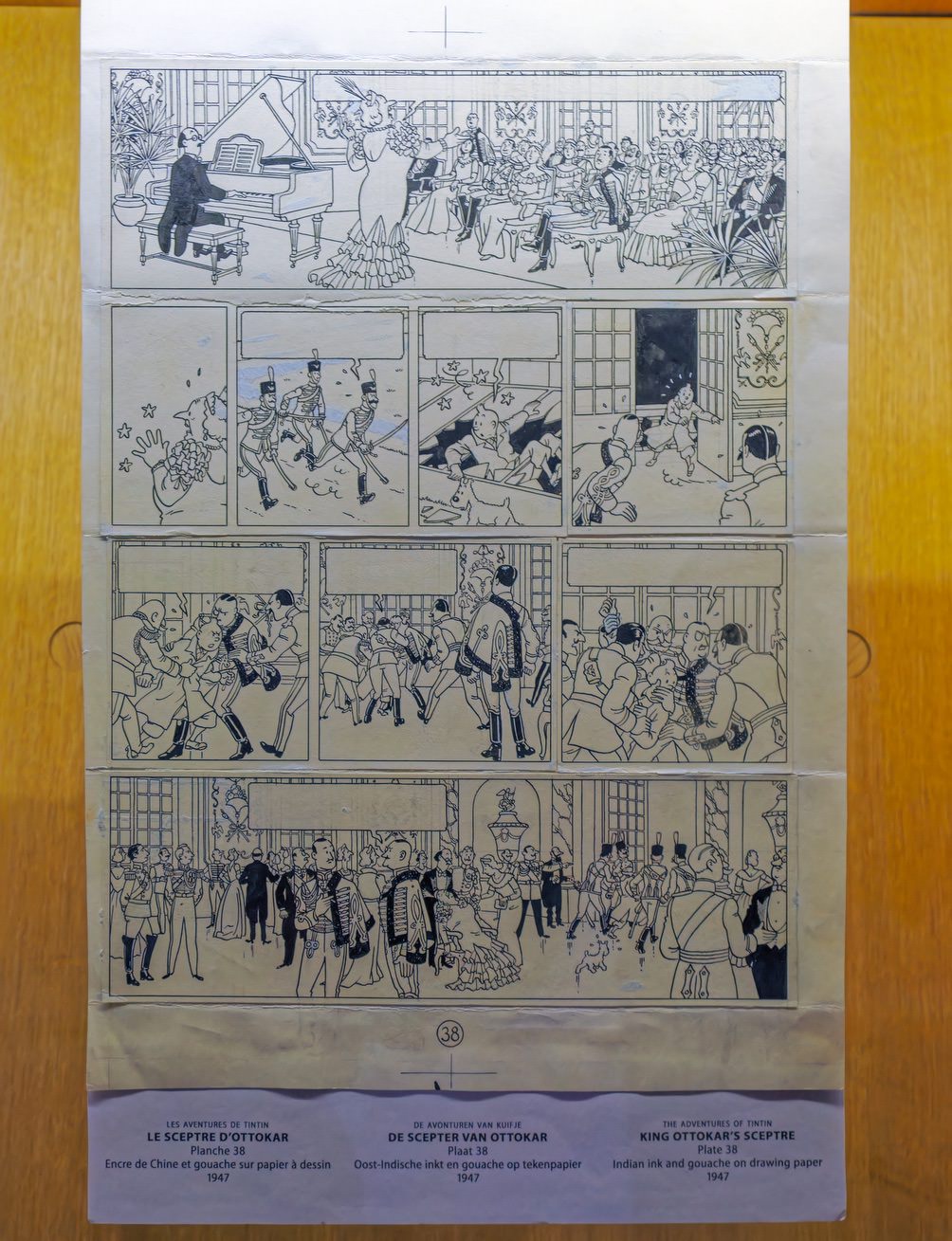
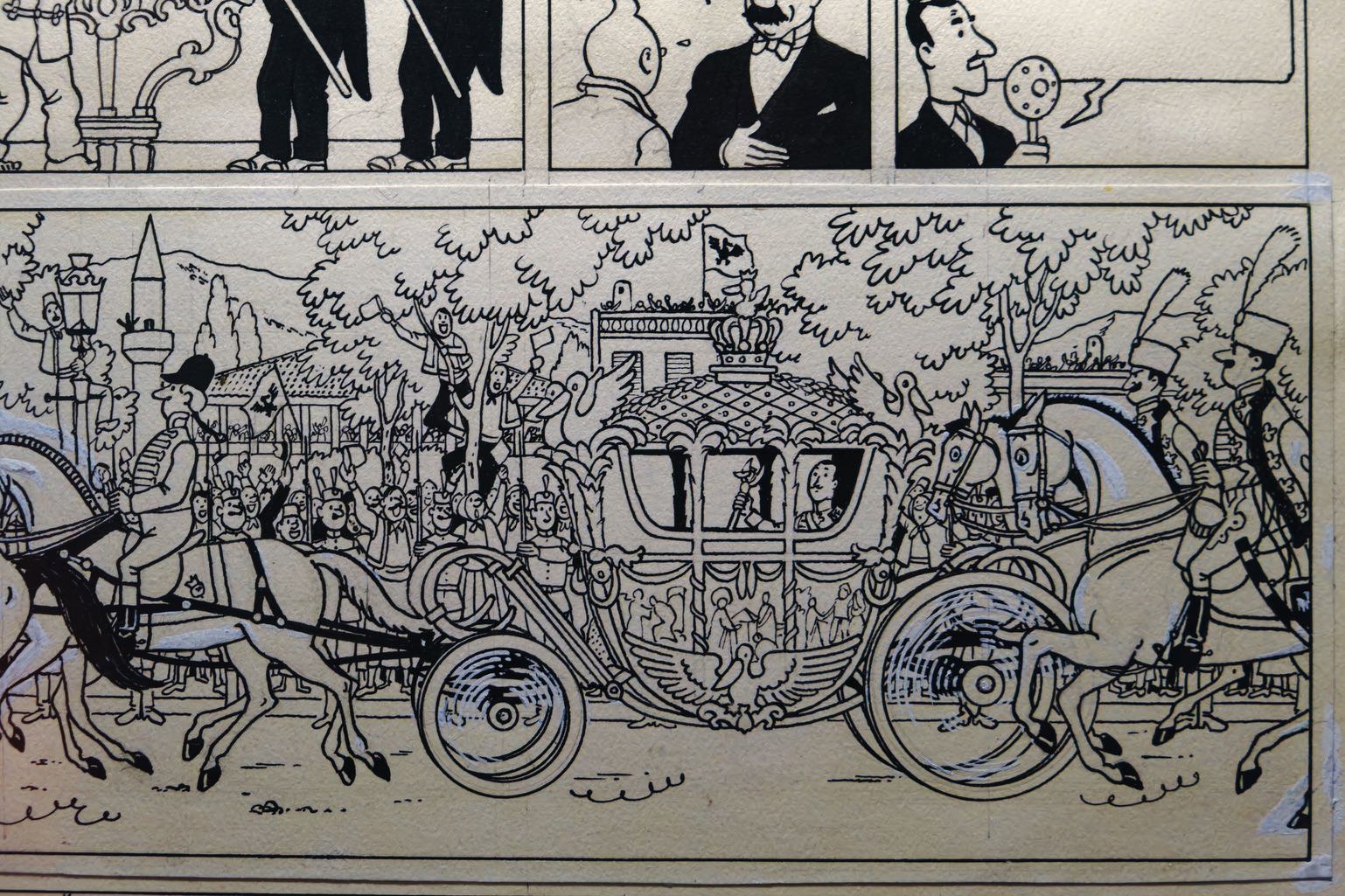
Published on the front page of Le Petit Vingtième on 11 May 1939, this illustration left a lasting mark on the collective imagination. It immortalises the decisive episode of the rescue of King Ottokar’s Sceptre, now counted among the most memorable pages of the 1938 crisis with Borduria.
From Albania to Persia: Inspirations for Syldavia
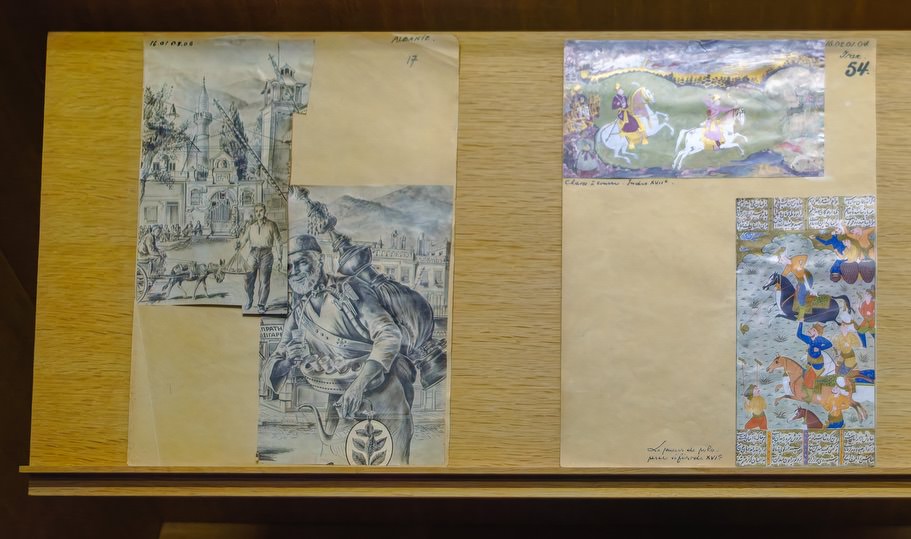
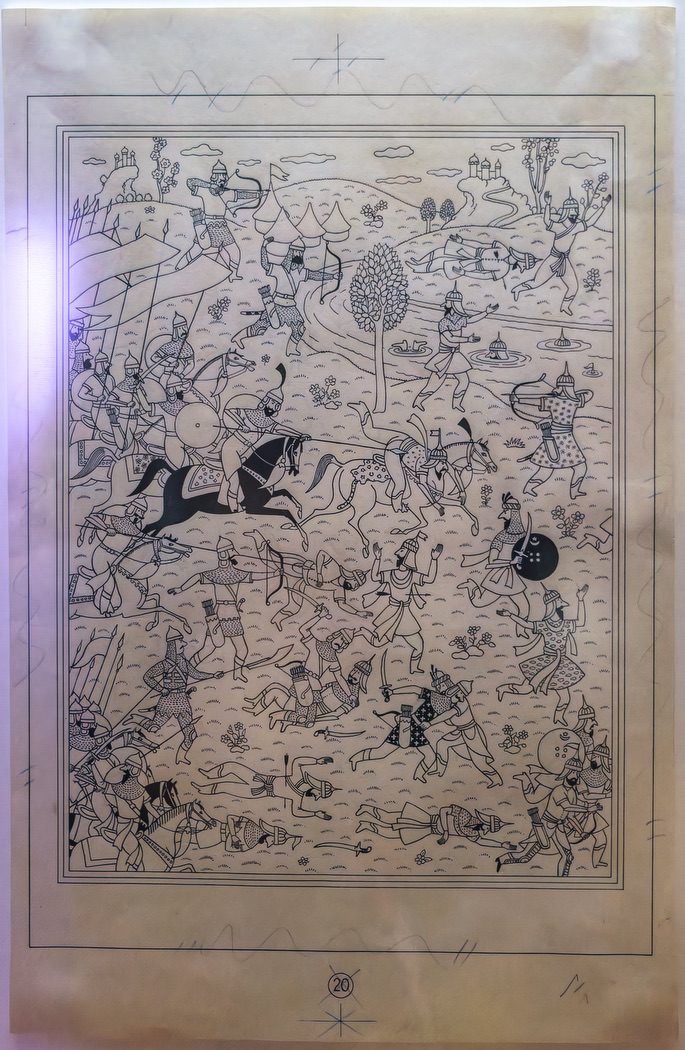
At a time when our Kingdom remained difficult to reach, the author-illustrator had to draw on references from other cultures to capture its atmosphere with authenticity. Thus, the architecture, traditional costumes, and certain accessories such as the samovar were inspired by Albanian models, while the rich ornamentation of several scenes drew on Persian art. These influences can be seen in particular in the famous Battle of Zileheroum and in the depiction of Syldavian villages.
Message from one of our mercantile partners – Syldavia is now easily accessible, with daily Syldair flights from several capitals. Take advantage of the incredible summer promotions from Brussels, Paris, Madrid or Athens, as well as from Istanbul and Montreal. When booking, enter the code SUMMER25BKK to enjoy exclusive benefits.
The Camera That Almost Cost the Kingdom
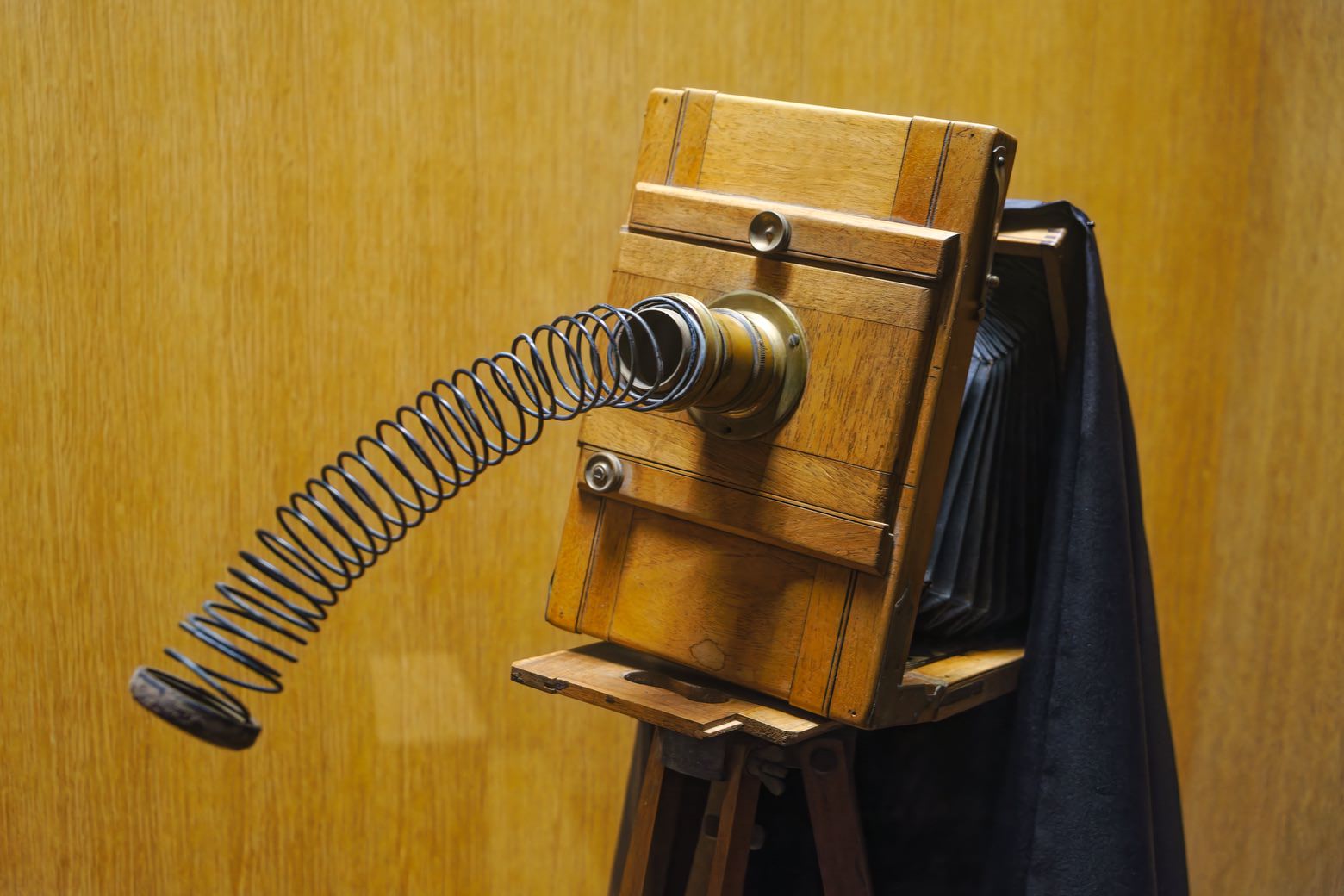
Presented in its original state, Czarlitz’s camera (a rare model with a flexible shutter release) was the central instrument in the theft of the Sceptre of Ottokar. When the investigation report was first serialised, the public was discreetly invited to speculate on the method employed. Although the Syldavian secret services had already identified the stratagem — a photographic device cleverly modified — these contributions helped refine the official account and maintained, until the final revelation, a tactical ambiguity intended to foil potential imitators. Examination of this devilish contraption aroused within the delegation a mixture of grudging admiration and frank indignation.
From Newsprint to Comic Strip
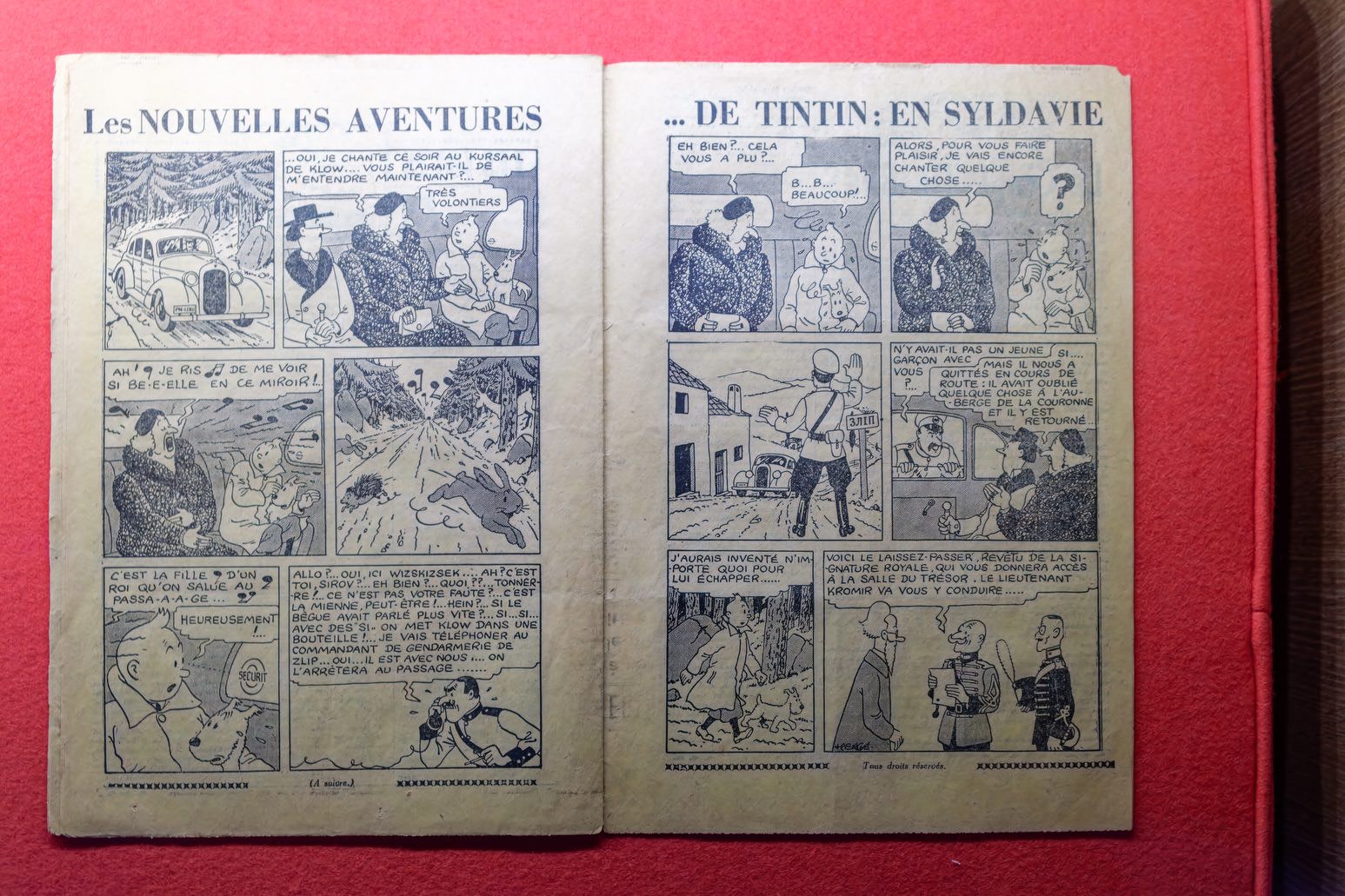
Hergé was adept at transposing into his work real-life figures who dominated the international headlines. The counterfeiting ring in The Black Island thus mirrors, through a form of transposed realism, certain clandestine operations observed in Europe during the 1930s. Likewise, the arms dealer Basil Bazaroff in The Broken Ear was inspired by the authentic figure of Basil Zaharoff, the fabulously wealthy industrialist at the head of Vickers Armstrong, supplier of weapons to rival nations and a powerful influence in the diplomatic backrooms of Europe. Always dressed in his trench coat, cloche hat, and carrying his cane, Zaharoff notably sold the first submarine manufactured to the Greek government in the 1930s. In the album, the artist depicts him encouraging San Theodoros and Nuevo Rico to arm themselves against one another, satirically illustrating the shifting alliances and military procurement strategies that bear more than a passing resemblance to certain episodes in Syldavian history.
The Oriental Roots of a Syldavian Signature Style
The influence of Oriental art on the clear line is also highlighted in the museum tour. This graphic precision, now inseparable from the Syldavian narrative, owes much to the aesthetic principles that the storyteller absorbed through Tchang Tchong-jen (Zhang Chongren 张充仁), a Chinese artist and sculptor whom he met in Brussels in 1934 during the preparation of The Blue Lotus. Tchang introduced Hergé to calligraphy, Chinese painting, and traditional arts, encouraging him to portray Asian settings and characters with accuracy and respect. Inspired by the refined compositions and shadow-free lines of Far Eastern prints, the artist adapted these principles to the landscapes, architecture, and historical scenes of Syldavia, crafting a clear, balanced, and instantly recognisable image of our Kingdom. To ensure perfect consistency, he favoured the Gillott’s Inqueduct G-23 nib, made of stainless steel and fitted with a small integrated reservoir. Already rare by the 1940s, this almost indestructible tool produced a line of constant thickness, in full accord with the aesthetic discipline of the clear line (ligne claire).
Message from one of our mercantile partners – The renowned Syldavian Blue Ink 214B, prized for its deep royal hue and archival quality, is the official ink required for completing forms at the Consulate. Now available in Thailand at OfficeMate, Tops, and Central — ensure your correspondence bears the unmistakable mark of Syldavian distinction.
Muskar XII: A Regal Image with a Silver Screen Heritage
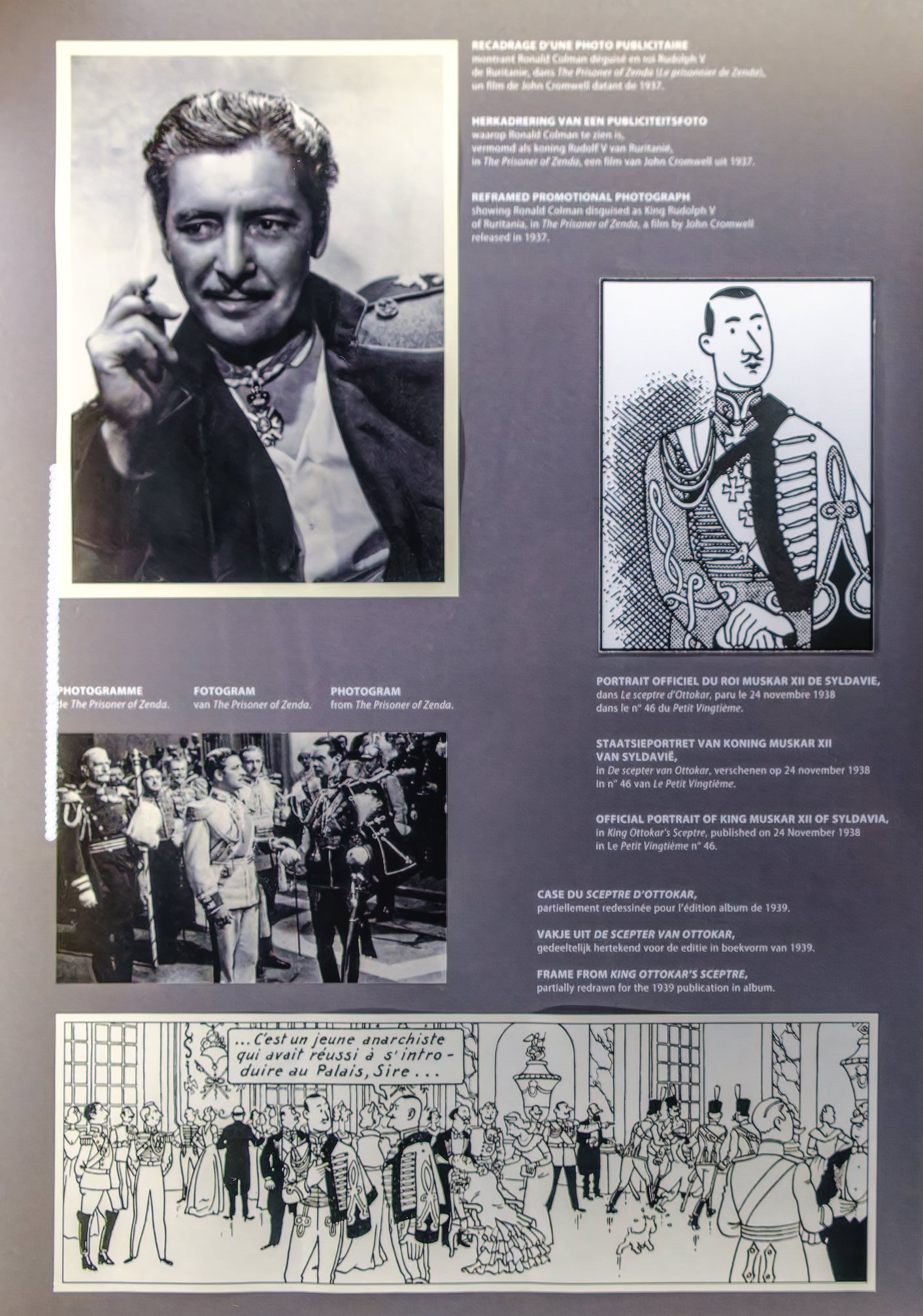
Certain official portrayals of Muskar XII bear a striking resemblance to visual sources from international cinema. Archival evidence notably points to a connection with a publicity photograph of British actor Ronald Colman as King Rudolph V of Ruritania in The Prisoner of Zenda (John Cromwell, 1937), a landmark work of the Ruritanian romance genre. This parallel illustrates how the author drew upon such contemporary imagery to magnify the figure of the Syldavian sovereign and give him a universal resonance, while situating his narrative within a tradition of princely adventures and courtly intrigue. Unlike Ruritania, a purely fictional creation, Syldavia is very much a real nation.
True to his fondness for blurring the lines, Hergé admitted that, when including King Ottokar in his story, he was delighted that “everyone would think it was a simple pun, when it was not.” He also noted, with some mischief, that the orb and crown of King Ottokar II of Bohemia had just been rediscovered. By giving international visibility to a name already familiar in Syldavia, he helped weave resonances between genuine historical events and graphic creation, thereby strengthening the aura of the Kingdom of the Black Pelican in the eyes of a wide audience.
A Testimony to Syldavia’s Worldwide Renown
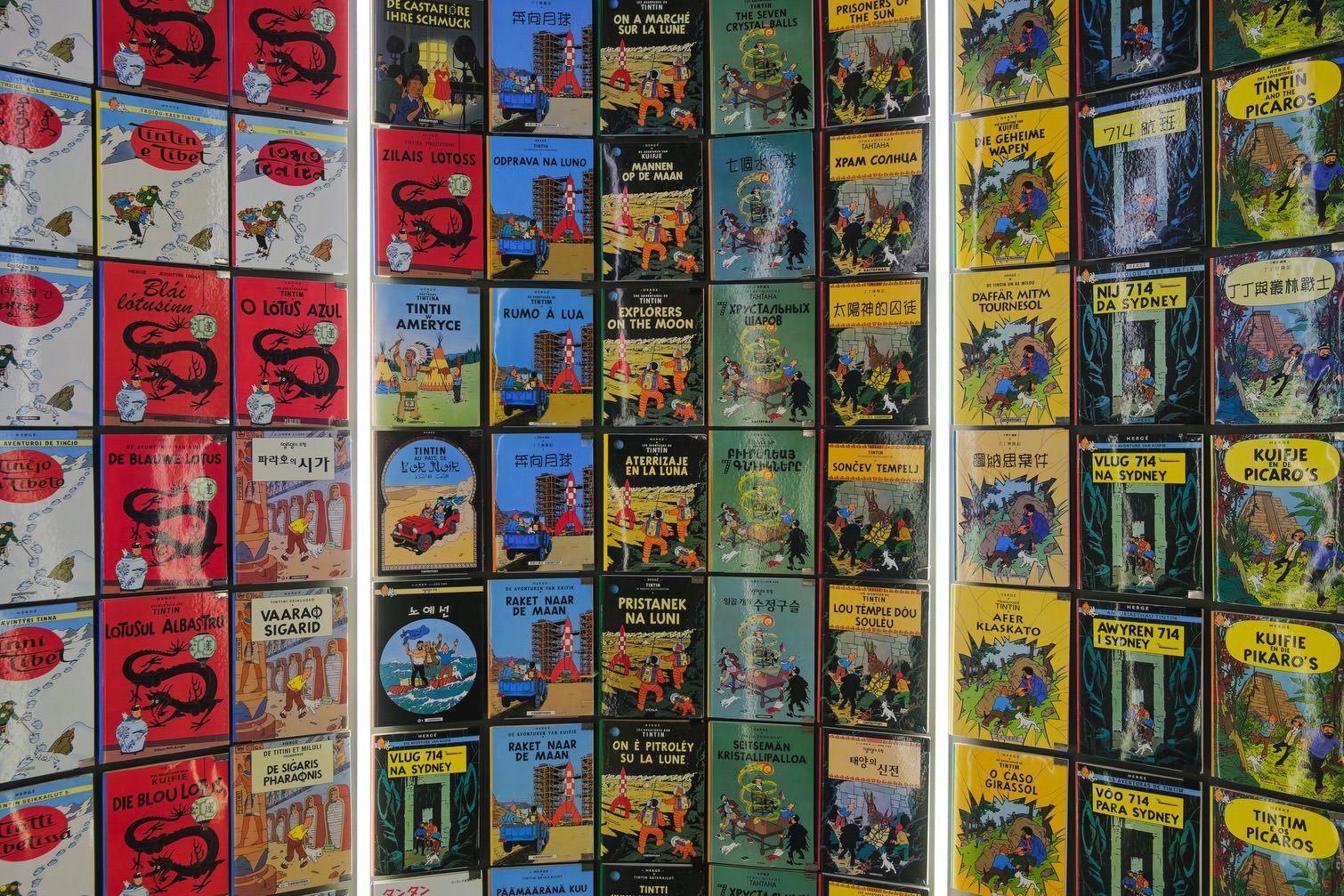
This official visit was described by the Consul as “a testament to Syldavia’s worldwide renown, made possible by the author’s extraordinary research, who, at a time when our small Kingdom remained difficult to reach, was able to capture with precision its history, its landscapes, and its very soul” for millions of readers across the globe.
Unbridled mercantilism
On a personal note, the Consul admitted to having “succumbed to the siren call of idolatrous mercantilism” by acquiring costly museum relics (a figurine and several volumes) which will join the Chancellery’s private collection, where they will be duly catalogued and preserved for consultation and inspiration.
In light of these lavish expenditures and in order to preserve budgetary balance, the Consulate regrets to inform the public that the number of mercantile advertisements (“banners”) displayed on this site will, accordingly, be increased. Furthermore, certain articles may, where duly indicated, contain product placements included for both informational and promotional purposes.
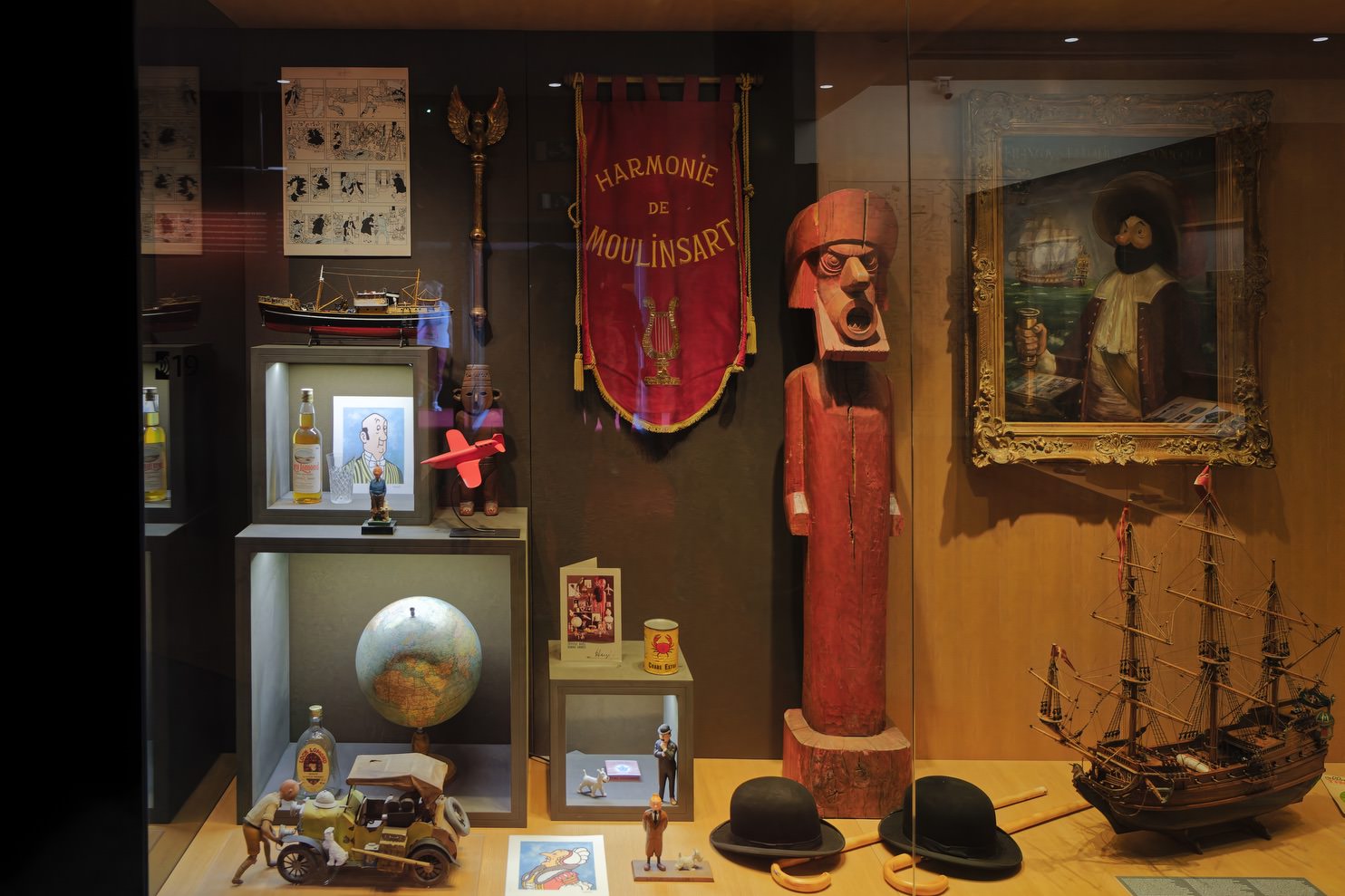
Photo credits: All images captured by the consular delegation during the official mission at the Hergé Museum