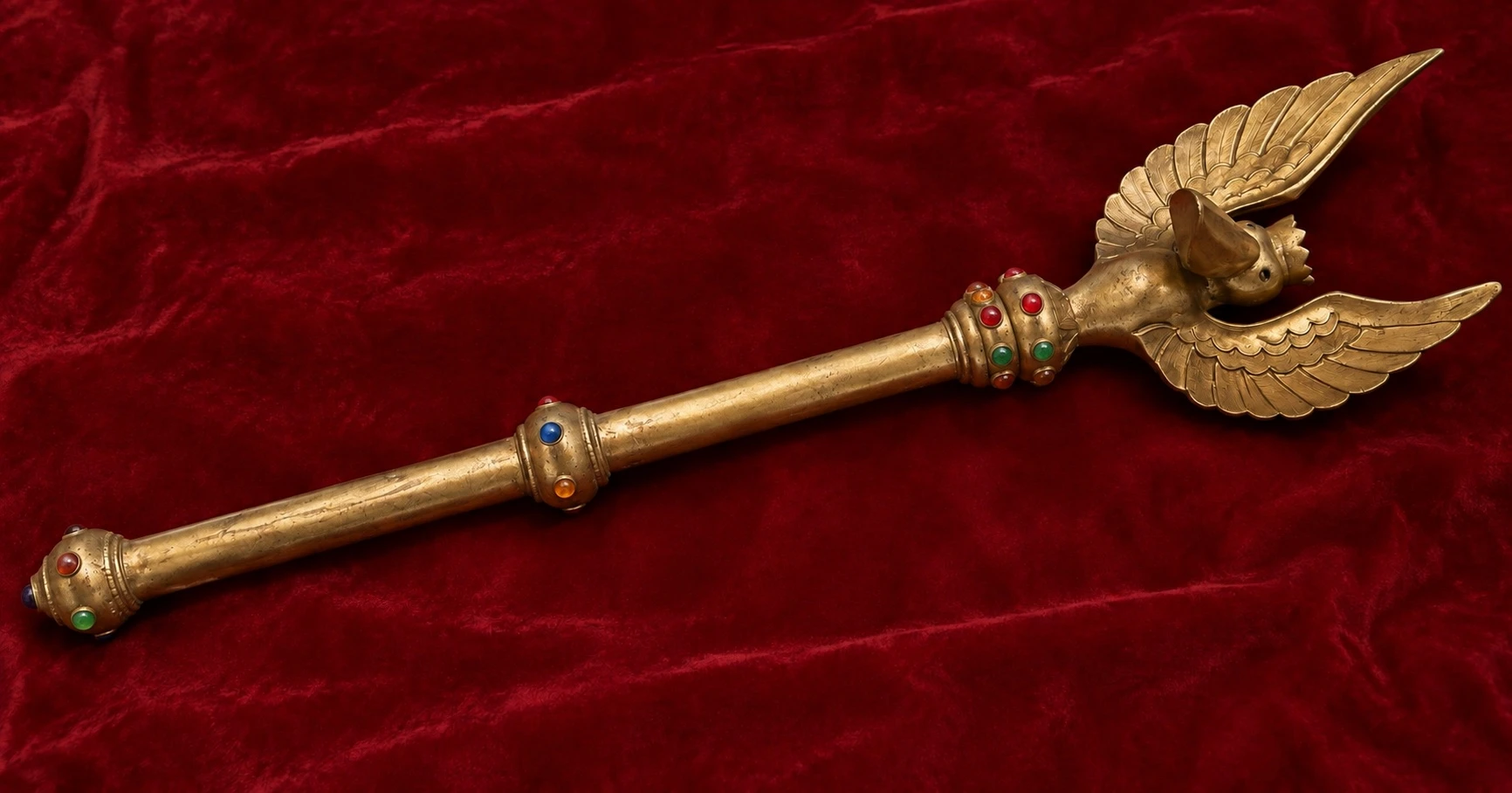
The Sceptre of Ottokar follows the object through the Royal Archives in fifteen chapters: the blow with which Ottokar IV, who reigned from 1360 to 1389, struck down Staszrvitch; the Treasure Guard at Kropow, where the Sceptre has been kept since the reign of Muskar VII; the succession crisis of 1937–1938; then the days of July 1938, hour by hour, from the journey to Syldavia to the theft of 11 July.
The dossier shows how the conspirators of the Z.Z.R.K. meant to force the abdication of Muskar XII, how the Sceptre left the Treasure Chamber by means of Czarlitz's trick camera, and how Tintin brought it back to Klow in time for Sceptre Day, 15 July 1938. An interactive plate reconstructs the trials of the 1938 inquiry, and the Sceptre itself can be turned in three dimensions.
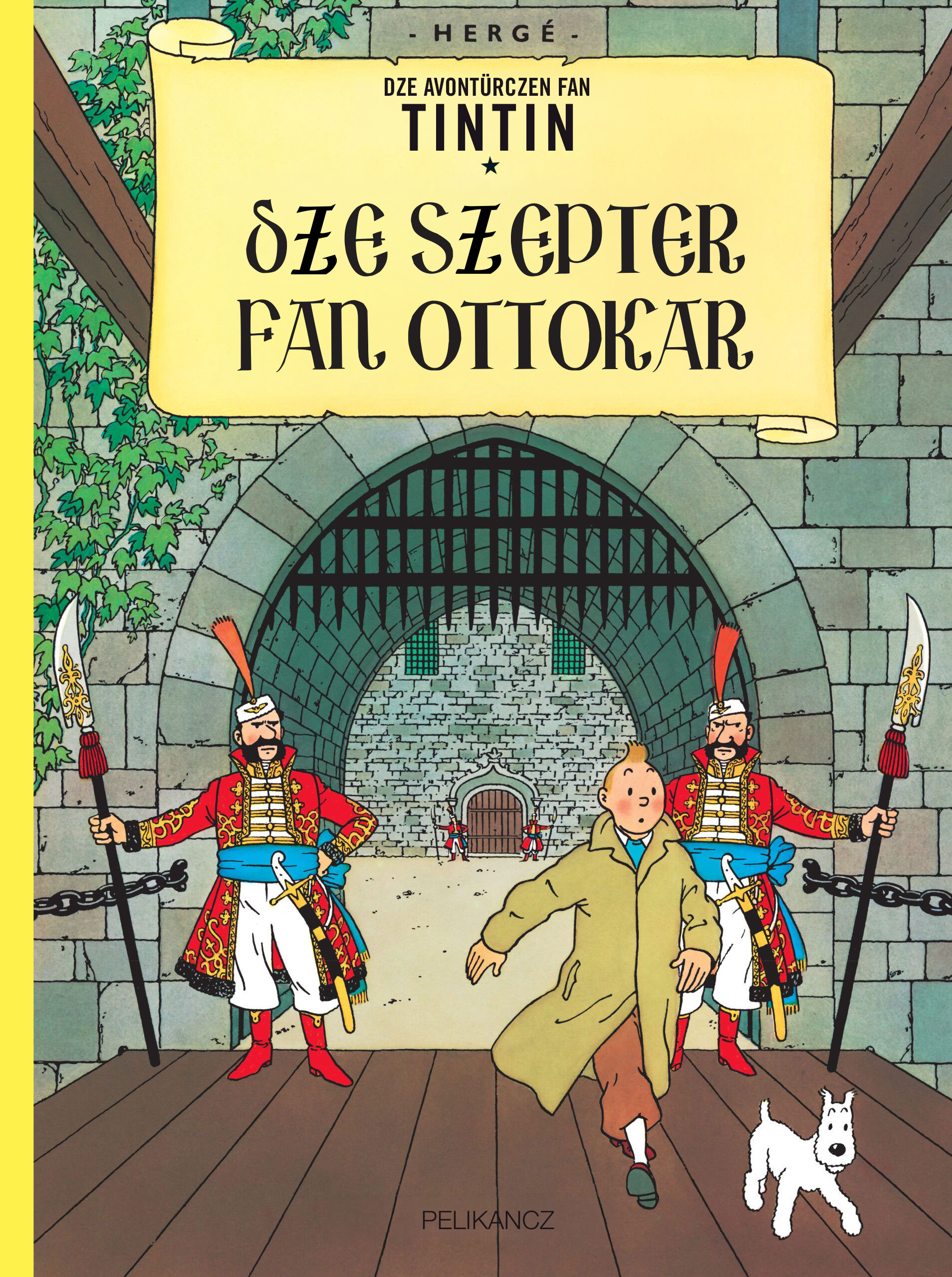
The dossier dwells on Hergé's adaptation, and with reason: it is the album that made Syldavia known to the world. The Belgian artist adapted and dramatised the events of July 1938, and it is most often through his account, translated into dozens of languages, that people abroad discover the Kingdom. The dossier shows what he kept, what he changed from one edition to the next, and where his pictures came from. The Kingdom, for its part, has its own edition, in Syldavian.
Finally, the dossier covers the war years, when the King kept the Sceptre safe, and the second theft, in 2011, when the Sceptre came back through the intelligence services, by means that have never been disclosed.
It is now the Consulate's reference on the Sceptre and on the events of 1938.